





How Heat Stresses a Cow
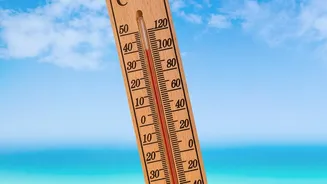
Like humans, dairy animals have a thermal comfort zone. When the Temperature-Humidity Index (THI) rises above a certain threshold, cattle and buffaloes begin to experience heat stress. This isn't just a matter of discomfort. To cope, an animal diverts
its metabolic energy away from producing milk and towards thermoregulation—simply trying to stay cool through panting and sweating. This leads to reduced feed intake, as hot animals eat less, directly lowering the nutrients available for milk production. The result is a drop in milk yield that can be as high as 20-30% during peak summer months. Buffaloes are particularly vulnerable due to their darker skin and fewer sweat glands, making it harder for them to cool down naturally.
The Economic Ripple Effect for Farmers
For the millions of smallholder farmers who form the backbone of India's dairy industry, this drop in production translates directly into a loss of income. The financial strain is twofold: not only does their milk output fall, but their costs rise. Farmers often have to spend more on special feed, electricity for fans or sprinklers, and increased veterinary care for heat-stressed animals, which are more susceptible to disease and fertility issues. During extreme heat, some farmers have seen their profits cut in half. This financial pressure can force them to take out loans, and if the heat persists and production remains low, they may even be forced to sell their animals, losing their primary productive asset.
A National Challenge with Major Stakes
The impact isn't confined to individual farms. On a national scale, the economic losses are staggering. One study estimated that heat-related stress already causes an annual loss of 3.2 million tonnes of milk, valued at approximately ₹2,661 crore. Projections warn this could escalate significantly, with some models predicting a 25% drop in milk production in arid and semi-arid regions by 2085. Key dairy-producing states like Uttar Pradesh, Rajasthan, Gujarat, and Haryana are on the front lines, facing the prospect of more frequent and intense heatwaves. This threatens not only the livelihoods of farmers but also India's self-sufficiency in milk production, potentially leading to higher prices for consumers and increased reliance on imports.
Adapting to a Warmer Future
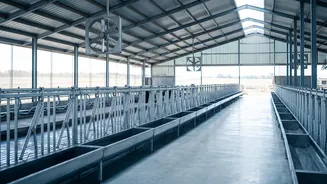
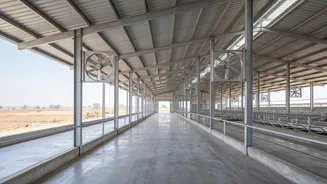
The challenge is immense, but it is not insurmountable. Across India, efforts are underway to build a more climate-resilient dairy sector. Farmers are implementing practical solutions like installing sprinklers and fans, modifying cattle sheds for better ventilation, and ensuring constant access to clean, cool water. There is also a growing focus on animal nutrition, with specialized feeds and supplements that are easier to digest in hot weather. At a strategic level, there is a push towards promoting indigenous cattle breeds, such as Gir and Sahiwal, which are naturally more resistant to heat compared to many high-yielding exotic breeds. The government has initiated programs to identify heat-tolerant traits in cattle and promote climate-smart dairy practices. Furthermore, innovative insurance products are emerging that offer payouts to farmers when temperatures cross a certain threshold, providing a financial cushion against productivity losses.