

The Magic of a Single Pot
The beauty of one-pot cooking lies in its elegant simplicity. By combining all your ingredients into a single vessel—be it a pressure cooker, a deep kadai, or a Dutch oven—you streamline the entire cooking process. The most immediate benefit is the minimal
cleanup, a welcome relief on busy weeknights. But the advantages go deeper. Cooking everything together allows flavours to meld and intensify, creating a richer, more cohesive dish. This method is not only efficient but also helps retain more nutrients. Since you are not draining away water from boiled vegetables or pasta, essential vitamins and minerals stay in the final dish where they belong.
Healthier by Design
One-pot cooking naturally encourages healthier habits. This method often relies on steaming and simmering, which requires significantly less oil than traditional frying. With a non-stick pan or a pressure cooker, you can sauté aromatics like onions and spices in just a teaspoon of oil before adding your other ingredients. This approach also helps with portion control, as a complete meal of grains, protein, and vegetables is contained in one dish. Furthermore, methods like pressure cooking have been found to be better at retaining heat-sensitive nutrients like vitamins and antioxidants compared to prolonged boiling, ensuring your meal is as nourishing as it is delicious.
India’s Original One-Pot Meals
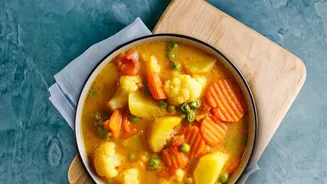
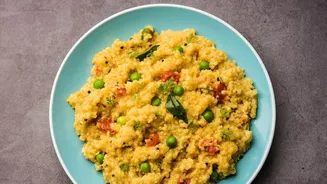
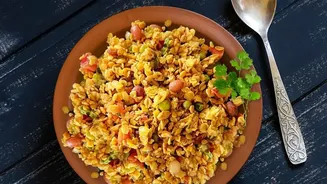
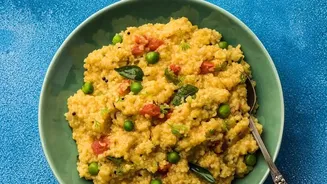
While the term 'one-pot meal' might sound modern, the concept is deeply rooted in Indian culinary traditions. Khichdi is perhaps the most famous example, a comforting and highly digestible combination of rice and lentils. Considered nourishing in Ayurveda, Khichdi is a complete protein and can be adapted with various vegetables and spices. Similarly, dishes like Tehri and Pulao, where rice is cooked with vegetables and aromatic spices, are classic one-pot wonders. South Indian Bisibelebath and the wholesome Odia dish Dalma, which combines lentils and vegetables, are other examples of traditional, balanced meals prepared in a single vessel.
Modern Twists on a Classic Method
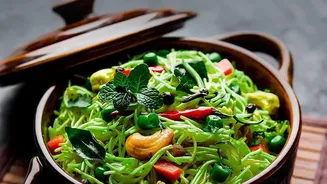
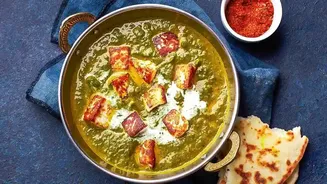
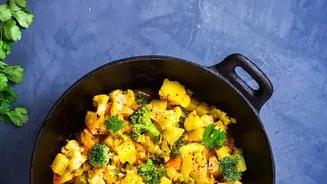
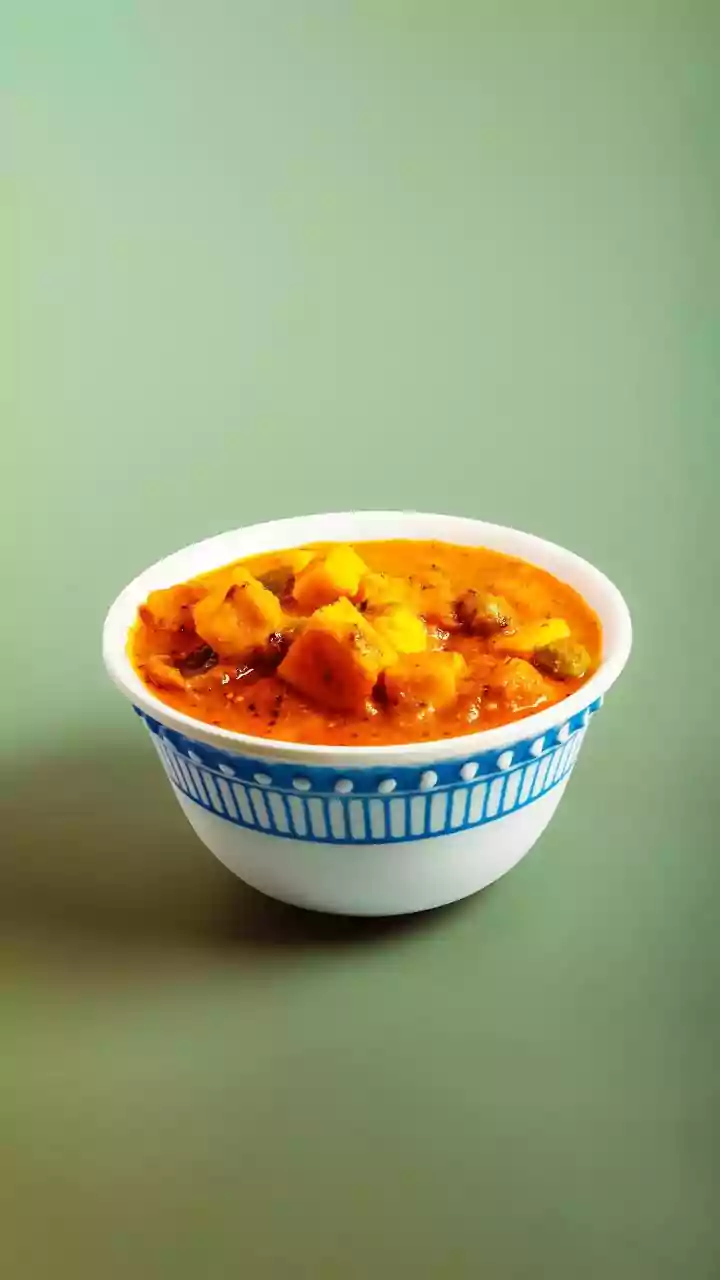
The one-pot approach can be adapted for a wide range of popular Indian dishes. An Instant Pot or pressure cooker makes it possible to cook curries that would normally require multiple steps in one go. You can create a rich Dal Makhani, a flavourful Chana Masala, or a hearty Chicken Curry by layering ingredients and letting the cooker do the work. This method is also perfect for creating modern, healthy variations of classics. Think of a vegetable biryani made with nutrient-dense millets or quinoa instead of white rice, or a paneer pulao bulked up with extra vegetables for added fibre. Even stir-fries like Patta Gobhi Ki Sabzi (cabbage stir-fry) can be made in one pan, keeping them quick and simple.
Tips for One-Pot Success
To master the art of the one-pot Indian meal, a few simple techniques can make all the difference. Always start by heating your pot and blooming your whole spices in a small amount of oil or ghee to release their aroma. Next, sauté your aromatics like onion, ginger, and garlic until they soften. Layer your ingredients thoughtfully; harder vegetables that need more cooking time should go in first, while delicate greens like spinach should be stirred in at the very end. Getting the liquid-to-grain ratio right is crucial, especially for rice and lentil dishes, so follow recipes closely at first. Finally, finish your dish with a touch of freshness—a squeeze of lemon juice or a sprinkle of fresh cilantro can brighten up the flavours instantly.