


Go Vertical: Use Your Walls and Airspace
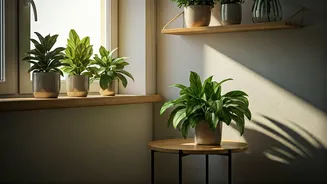
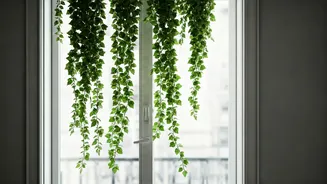
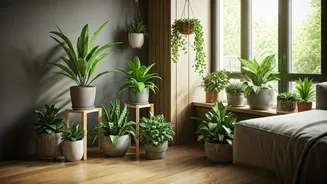
When floor space is a premium commodity, the only way to go is up. Vertical gardening is a small-space dweller's best friend. Think about installing floating shelves to display a collection of small pots, or use wall-mounted planters to turn a blank wall into
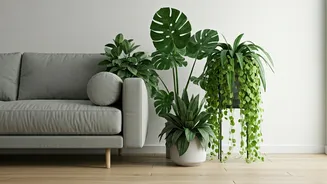
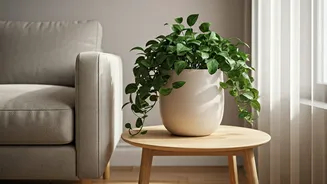
a living piece of art. Hanging planters are another fantastic option; trailing plants like Pothos (Money Plant) or String of Pearls draw the eye upwards, creating an illusion of height and freeing up valuable surfaces. Even a simple, tall, and slender plant stand can hold multiple plants in a compact footprint. By utilizing the vertical axis of your room, you add layers of green without creating clutter on the floor.
Scale is Everything: Big vs. Small
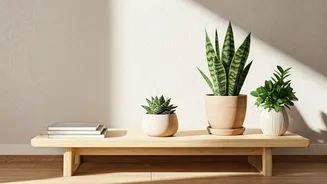
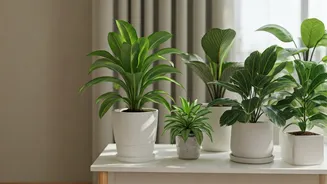
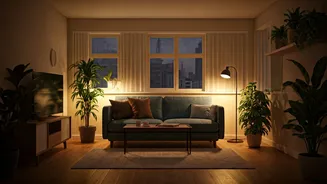
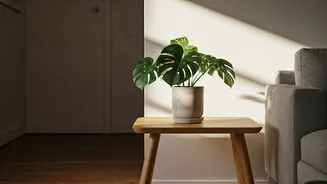
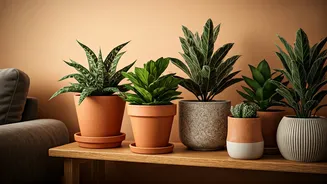
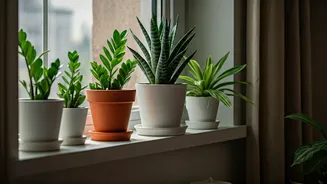
It might seem counterintuitive, but a single, well-placed large plant can often make a small room feel bigger than several tiny ones scattered about. A tall, narrow plant like a Snake Plant or a young Rubber Plant can serve as a stunning focal point in an empty corner without taking up much floor space. This draws the eye to one dramatic feature. On the other hand, grouping smaller plants can also be effective if done thoughtfully. Try arranging a trio of small pots with varied textures on a windowsill or a side table. Following a “rule of three” often creates a look that feels intentional and curated, rather than accidental and cluttered. The key is to balance scale—either go for one impressive statement or a deliberate, tight-knit group.
Match Plants to Your Light
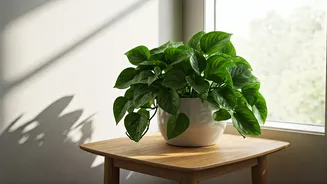
Every home has different light conditions, and small apartments can often have rooms with limited natural light. Before you fall in love with a plant, assess the light in the spot you have in mind. For those dimmer corners, there are plenty of resilient options. The ZZ Plant (Zamioculcas zamiifolia) is famously tough and thrives in low light with its glossy, dark leaves. The Snake Plant is another champion of low-light conditions, and its upright growth habit is perfect for tight spaces. Others that do well without direct sun include the Peace Lily, known for its elegant white blooms, and the forgiving Heartleaf Philodendron. Choosing a plant that suits your light isn't just about survival; it's about helping it thrive.
The Right Pot is Part of the Decor
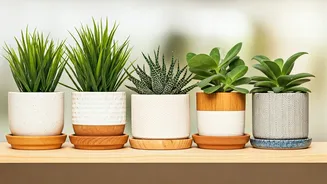
A plant is only half of the equation; the container it lives in is a crucial decorative element. In a small space, creating a cohesive look is important. You can achieve this by choosing pots in a similar colour palette or material, which helps unify the space and makes it feel less busy. Alternatively, use a single, beautiful planter as a statement piece, much like a sculpture or a vase. Don't be afraid to think outside the box—vintage tins, ceramic bowls, and woven baskets can all be repurposed as stylish planters, adding a personal touch to your decor. Just ensure whatever you choose has proper drainage to keep your green friends healthy.
Popular Plants for Indian Apartments
Certain plants are particularly well-suited to the climate and compact living situations common in India. The Money Plant (Pothos) is arguably the most popular, loved for its hardiness, ability to grow in low light, and trailing vines that are perfect for shelves and hanging baskets. The Snake Plant is another favourite for its air-purifying qualities and minimal care requirements. For a touch of the tropics, an Areca Palm works well in a bright living room, while the Peace Lily can adapt to most indoor conditions. Succulents like Aloe Vera are great for sunny windowsills and require very little water, making them an excellent choice for busy individuals.