





Myth: You Need Protein Powder to Build Muscle
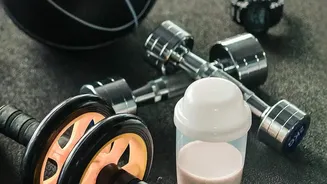
This is one of the most persistent myths in fitness. The truth is you do not need protein powder to build muscle. Muscle growth depends on two key factors: consistent resistance training and consuming enough total protein throughout the day. Protein supplements
are simply a convenient way to help you reach your daily protein target, but they are not superior to whole food sources. Foods like chicken, fish, eggs, dairy, lentils, and beans provide all the essential amino acids your body needs to repair and build muscle tissue. In fact, whole foods offer a broader spectrum of nutrients, including vitamins, minerals, and fibre, that isolated protein powders lack.
Myth: You Must Drink a Shake in the 30-Minute 'Anabolic Window'
The idea of a short, 30-minute 'anabolic window' after a workout where you must consume protein or 'waste' your session has been greatly exaggerated. While it's true that your muscles are more receptive to nutrients after exercise, research shows this heightened sensitivity lasts for several hours, not just half an hour. Multiple studies have concluded that total daily protein intake is far more important for muscle growth than precise nutrient timing. Eating a protein-rich meal within one to two hours post-workout is perfectly effective. The focus should be on consistently hitting your daily protein goals, spread relatively evenly throughout the day.
Myth: More Protein Always Means More Muscle
Consuming more protein isn't always better. Your body has a limit to how much protein it can effectively use for muscle protein synthesis at any given time. For individuals engaged in regular strength training, the scientific consensus for optimal muscle growth is around 1.6 to 2.2 grams of protein per kilogram of body weight per day. Exceeding this amount doesn't appear to provide additional muscle-building benefits. The excess protein is simply used for energy or stored, and consistently over-consuming calories, even from protein, can lead to fat gain.
Myth: Protein Shakes Are a Perfect Meal Replacement
While convenient, relying on protein shakes as a full meal replacement is not a sustainable or healthy long-term strategy. Shakes often lack essential nutrients found in whole foods, such as dietary fibre, vitamins, minerals, and healthy fats. A balanced meal provides a complex matrix of nutrients that work together to support overall health, something an isolated protein source cannot replicate. Over-reliance on shakes can lead to nutrient imbalances, digestive issues, and a monotonous diet that is hard to stick to. They are best used as a supplement to a diet rich in whole foods, not as a replacement for it.
Myth: Plant-Based Protein Is Inferior for Muscle Growth
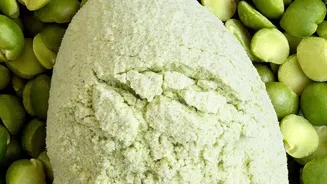
This is a common misconception. While it is true that many individual plant protein sources are 'incomplete' (lacking one or more essential amino acids), this is easily overcome by combining different plant sources. Modern plant-based protein powders often blend sources like pea, rice, and pumpkin seed protein to create a complete amino acid profile comparable to whey. Studies have shown that as long as total protein and essential amino acid content are matched, plant-based proteins can support muscle growth just as effectively as animal-based proteins like whey. A well-planned vegan or vegetarian diet can absolutely provide all the protein needed for significant muscle gains.