

Thinking of picking up a new outdoor hobby? Hiking and skateboarding both offer a fantastic escape, but they present very different challenges for a newcomer. This practical comparison explores their unique learning curves to help you choose your path.
Getting Started: The First Few Hours
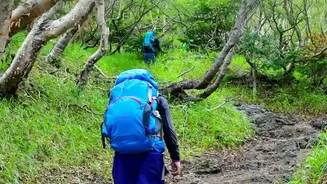
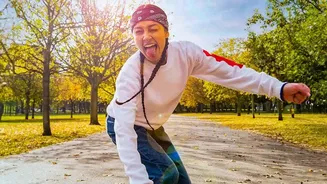
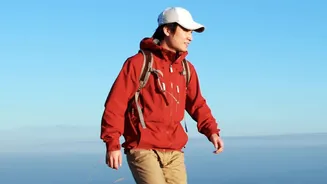
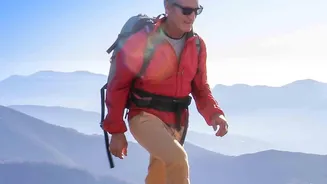
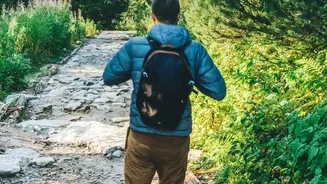
Hiking has one of the lowest barriers to entry of any outdoor activity. If you can walk, you can hike. Your first 'hike' can be a simple, well-marked nature trail that lasts less than an hour. The initial learning is about pacing yourself and getting comfortable with uneven ground. Skateboarding, on the other hand, has a steeper initial curve. The first few hours are spent just learning to stand on the board, find your balance, and push off without falling. It requires a dedicated effort to master the basic stance and movement, which can be frustrating for some beginners.
Gear and Initial Investment
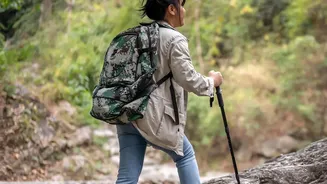
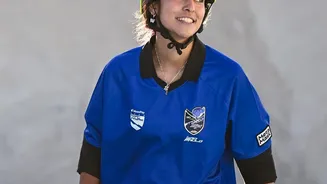
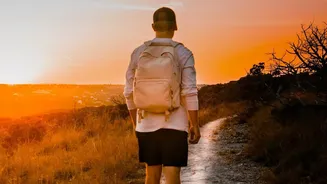
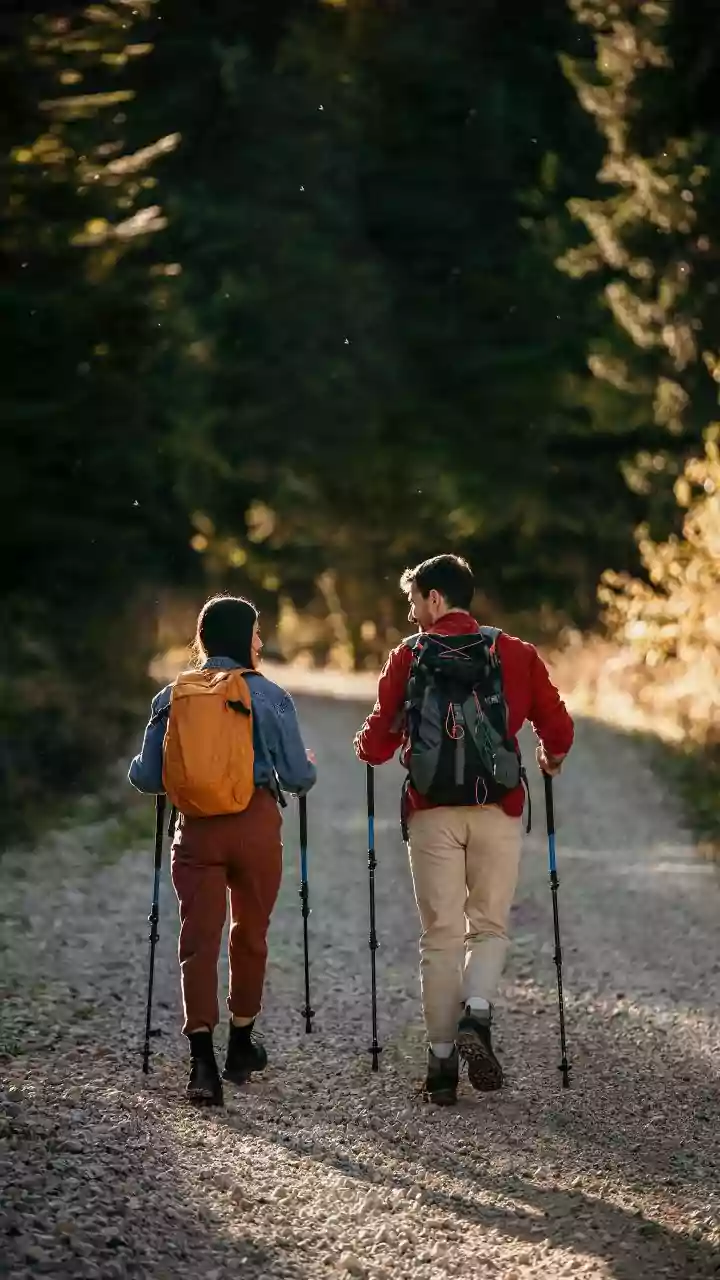
To start hiking, you need very little. A comfortable pair of walking shoes, a water bottle, and a small backpack are often enough for a beginner trail. While you can eventually invest in specialised hiking boots, moisture-wicking clothes, and trekking poles, the initial cost is minimal. Skateboarding requires more specific gear from day one. You'll need a complete skateboard, which can be purchased pre-assembled. More importantly, safety gear is non-negotiable. A helmet, wrist guards, elbow pads, and knee pads are essential to protect against the inevitable falls that come with learning. While a basic setup is relatively affordable, the mandatory safety equipment adds to the initial cost.
Skill Progression and Mastery
Progress in hiking is measured in endurance and terrain difficulty. After mastering short, flat trails, you gradually move to longer routes with more elevation gain. The learning curve is steady and linear; you build physical fitness and navigational confidence over time. Progress is often about conditioning your body for longer distances. Skateboarding progression is more about mastering specific skills and tricks. After learning to balance and push, you'll work on turning, stopping, and then basic manoeuvres like an ollie (jumping with the board). The curve is less a straight line and more a series of steep learning phases followed by plateaus. Landing a new trick can take days, weeks, or even months of consistent practice.
The Risk of Injury
Both activities carry risks, but the nature of the injuries differs significantly. Common hiking injuries are often related to overuse or accidents on uneven terrain. These include blisters, sprained ankles, and knee pain from downhill sections. These can typically be prevented with proper footwear and by not pushing yourself too hard too soon. Skateboarding injuries are more frequent, especially for beginners. Falling is an expected part of the process. Common injuries include scrapes, bruises, and wrist fractures from trying to catch yourself during a fall. While severe injuries can occur, wearing protective gear significantly reduces the risk of serious harm.
Fitness and Physical Demands
Hiking is an excellent form of low impact cardiovascular exercise. It builds endurance and strengthens your leg muscles and core, particularly on inclined trails. The intensity can be easily adjusted by choosing different trails. Skateboarding provides a full body workout that builds core strength, balance, and coordination. It is a high intensity activity that can burn a significant number of calories and improve your reflexes through constant, dynamic adjustments.
Accessibility and Community
Hiking's accessibility depends on your proximity to trails. While cities have parks, true hiking often requires a trip to a nearby national park or forest. It can be a solo activity for quiet reflection or a social one with a group of friends. The hiking community is generally seen as welcoming to all skill levels. Skateboarding is a quintessentially urban activity. It can be practiced in skate parks, empty parking lots, or on smooth pavements. This makes it highly accessible for those living in cities. Skateboarding has a strong, distinct culture and community, and skating with others can accelerate learning and provide motivation.