



Understand Your Balcony's Sunlight
Before buying a single plant, become a sunlight detective. Most gardening failures start with a mismatch between a plant's needs and the light it receives. Spend a day observing your balcony. Does it get the gentle morning sun (east-facing), the intense
afternoon heat (west- or south-facing), or just indirect light for most of the day (north-facing)? Full sun means six or more hours of direct light, perfect for flowering plants like hibiscus and bougainvillea. Partial sun, about four to six hours, is great for many herbs and vegetables. Less than that, and you're in shade territory, ideal for ferns, peace lilies, and money plants. Mapping your sun exposure is the most crucial first step.
Choose the Right Plants for Your Space
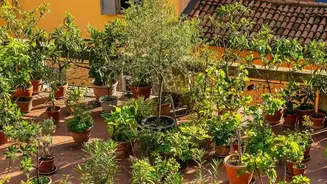
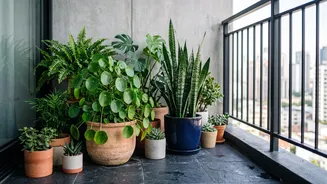
Once you know your light conditions, you can choose plants that will naturally flourish. Don't just buy what looks pretty at the nursery; buy what suits your home. For sunny Indian balconies, hardy bloomers like marigolds, bougainvillea, and hibiscus are excellent choices. Kitchen herbs like tulsi (holy basil), curry leaves, and mint are also practical and thrive in containers with adequate sun. For shadier spots, focus on foliage. Areca palms, snake plants, and money plants are famously low-maintenance and adapt well to lower light. Starting with 3-5 hardy plants is a great way to build confidence before expanding your collection.
Get the Pot and Soil Right
Container gardening is a different world from planting in the ground. The two biggest mistakes beginners make are using pots without drainage and filling them with heavy garden soil. Every pot must have drainage holes to prevent water from stagnating and causing root rot. Instead of using soil from a garden, buy a lightweight, well-draining potting mix. This specially formulated mix retains moisture without becoming compacted, allowing roots to breathe and grow. Using pots that are too small will also stunt growth, as they dry out too quickly and restrict roots. As a rule, a larger pot is often easier to care for than a very small one.
Master the Art of Watering
Overwatering is one of the most common ways people kill their container plants. There's no fixed schedule; you must learn to check the soil. The best method is to stick your finger about an inch into the soil. If it feels dry at that depth, it's time to water. If it's still moist, wait another day. Water thoroughly until you see it run out of the drainage holes, which ensures the entire root ball is hydrated. Balconies, especially on higher floors, can be windy, which causes soil to dry out much faster. Be prepared to check your plants daily, especially during hot and windy weather.
Feed Your Plants Consistently
Plants in pots have limited access to nutrients. The nutrition in their potting mix gets depleted over time with each watering. To keep them healthy and encourage growth and flowering, you need to provide them with food. You can use natural options like compost or vermicompost, mixing a handful into the top layer of soil every month or so. Alternatively, balanced liquid fertilisers can be used every few weeks during the growing season. Think of it as replenishing their pantry—without regular feeding, your plants will eventually run out of the energy they need to thrive.
Maximise Your Vertical Space
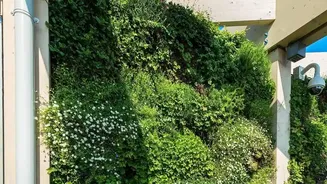
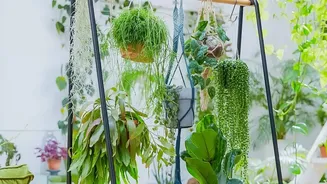
Don't just think about the floor. In a small urban balcony, going vertical is key to creating a lush look without the clutter. Use wall-mounted planters, railing boxes, and hanging pots to draw the eye upward and make the space feel greener and more immersive. A simple trellis can support climbing plants like the beautiful Aparajita (Butterfly Pea) or even some varieties of beans, creating a living green wall that also provides a bit of privacy. Staggering plants at different heights creates visual interest and ensures that more of your plants get the light they need.