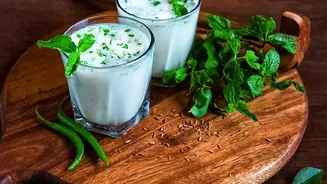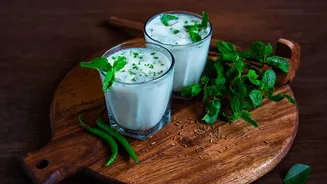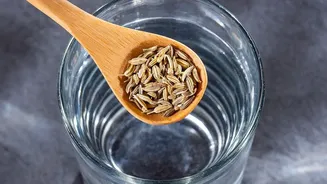






That first sip of a cold drink on a sweltering day is pure bliss. Now, imagine that fizz carries a familiar, earthy-spicy kick. Cumin soda is turning heads, blending the comfort of jeera with the fun of a carbonated beverage.
A Taste of Home, But Carbonated
The flavour of cumin, or jeera,
is woven into the fabric of Indian cuisine. So, when it appears in a fizzy drink, the experience is both surprising and deeply familiar. Cumin soda delivers a complex taste profile that is at once earthy, tangy, spicy, and often a little sweet. For many, it evokes a sense of nostalgia, reminiscent of homemade remedies and street-side refreshments. This isn't just another soft drink; it's a carbonated version of a flavour many have grown up with. The initial reaction might be curiosity, but it's the uniquely satisfying and layered taste that keeps people coming back. It’s a modern twist on a classic flavour profile, successfully bridging the gap between traditional tastes and contemporary beverage trends.
Roots in Tradition: From Jal-jeera to Soda
Long before it was bottled and sold, the essence of cumin soda existed in Indian households and streets for centuries. The drink's ancestor is Jal-jeera, which literally translates to 'cumin water'. This traditional North Indian beverage was made by blending roasted cumin with water, mint, ginger, tamarind, and black salt. It has been cherished for generations, not just for its ability to quench thirst in extreme heat but also for its digestive properties, often served as a welcome drink or an appetizer. Street vendors across India have long sold fresh versions of this drink, ladling it from large earthen pots that keep it naturally cool. The cumin soda we see today is simply the evolution of this age-old practice, swapping still water for carbonated fizz.
The Modern Fizz and Market Boom
The transition from a street-side cooler to a commercially bottled beverage marks a significant shift in India's soft drink market. Several homegrown brands have successfully tapped into this sentiment, launching their own versions of cumin or 'jeera' soda. Brands like Lahori Zeera, Bindu Jeera, and Jeeru by Xotik Frujus have become major players, challenging the long-standing dominance of international cola giants. Some companies, like House of Bindu, introduced a cumin-based soda nearly two decades ago, but the category has seen explosive growth only in recent years. This surge reflects a broader consumer trend towards familiar, ethnic flavours and alternatives to sugary colas. The market for these drinks has expanded so rapidly that it's now considered one of the fastest-growing segments in carbonated beverages in India.
More Than Just Flavour
Part of the appeal of cumin soda lies in its perceived health benefits, a legacy borrowed from its traditional roots in Ayurveda. Cumin itself is well-known for its digestive properties. For centuries, jeera water has been consumed to aid digestion, reduce bloating, and soothe the stomach. Ayurvedic tradition values cumin for its ability to stimulate digestive enzymes and detoxify the body. While a fizzy drink is different from a traditional health tonic, the association with wellness gives it an edge over conventional soft drinks. Consumers are increasingly seeking 'functional beverages' — drinks that offer more than just empty calories. Cumin soda fits perfectly into this niche, offering a refreshing taste with the added bonus of a trusted, traditional ingredient known for being kind to the stomach.