






The Enduring Romance of Fried Food
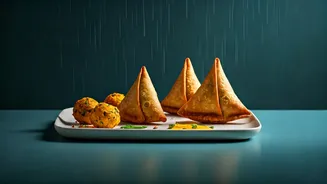
Let’s be honest: the scent of besan hitting hot oil is a core monsoon memory for millions. For generations, the season has been synonymous with a platter of assorted pakoras, a crispy samosa, or roasted bhutta, all washed down with a steaming cup of adrak
chai. These foods aren't just snacks; they are an experience. They represent huddled family conversations on the balcony, the sound of rain as a backdrop, and an indulgence that feels earned after a hot summer. This tradition is deeply woven into our cultural fabric, a culinary shorthand for comfort, nostalgia, and the simple joy of a rainy day. It's a romance that isn't ending, but it's no longer the only story being told.
The Rise of the 'Light' Brigade
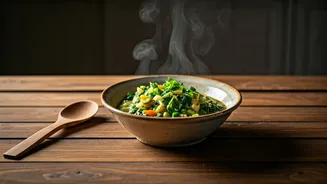
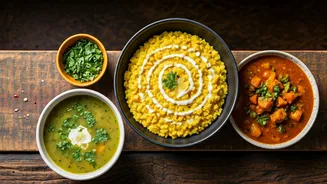
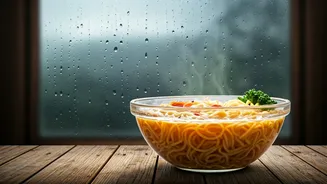
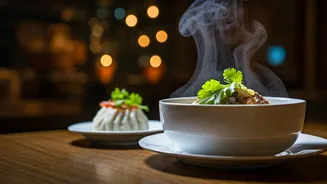
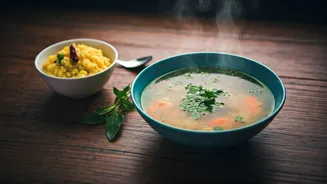
Look closely at restaurant menus, food delivery apps, and even your own kitchen, and you’ll see a different kind of comfort food taking centre stage. This new monsoon menu is defined by what it isn't: deep-fried, heavy, or guilt-inducing. Instead, it’s about warmth and nourishment. Think of aromatic, clear noodle soups, wholesome bowls of dal khichdi with a dollop of ghee, steamed momos with a fiery dipping sauce, or hearty lentil stews. These dishes provide the same soul-warming satisfaction as their fried counterparts but in a lighter, more digestible form. They are comforting without being comatose-inducing, offering warmth from the inside out.
Why We're Craving Lighter Fare
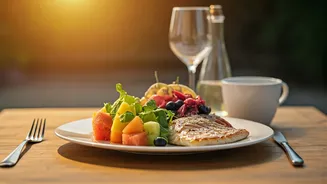
So, what’s driving this shift? A major factor is a collective increase in health consciousness. The post-pandemic era has left us all more mindful of immunity and overall wellness. Nutritionists have long advised against excessive oily food during the monsoon, when our digestive systems can be more sluggish. This advice is finally hitting the mainstream. Furthermore, modern lifestyles, including more sedentary work-from-home routines, mean that a heavy, calorie-dense snack is less appealing and practical. We want the comfort without the crash, the flavour without the food coma. This isn't about diet culture; it's about feeling good, energetic, and well-nourished, even on a gloomy day.
Chefs and Kitchens Adapt
The food industry has been quick to respond. Chefs across the country are curating special monsoon menus that spotlight these lighter options. You’ll find restaurants offering "soup festivals," variations of khichdi (from millet-based to quinoa), and an array of steamed and grilled appetisers. Food delivery platforms report a significant uptick in orders for soups and broths as soon as the temperature drops. This isn't just a trend in big cities; it's a nationwide shift. Chefs are re-interpreting traditional recipes, offering baked or air-fried versions of classics, proving that comfort doesn't have to be compromised for health. They are giving customers what they are increasingly asking for: food that is both delicious and mindful.
Your Monsoon Comfort Bowl
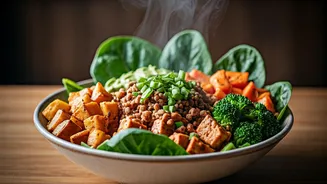
Bringing this trend home is easier than you think. A simple tomato or sweet corn soup can be incredibly satisfying. A one-pot khichdi, customised with your favourite vegetables and spices, is the ultimate comfort dish that’s also a complete meal. Experiment with steaming vegetables or making homemade momos with whole-wheat flour. Even a classic like corn on the cob can be boiled or grilled instead of roasted over charcoal for a lighter touch. The goal is to find dishes that give you that warm, cozy feeling — the very essence of comfort food — without weighing you down. It’s about listening to your body and finding a new, healthier rhythm for the season.