



Why You Feel Heavy After Eating
Post-meal heaviness, often described as bloating or indigestion, is a frequent complaint. It can happen when we eat too quickly, consume overly rich or spicy foods, or have an imbalance in our digestive system. The result is discomfort, gas, and a general
feeling of lethargy. While many factors contribute to digestive health, what you drink after your meal can make a significant difference. Traditional Indian wisdom has long relied on simple, homemade beverages to soothe the stomach, and modern science is catching up to explain why they work so well.
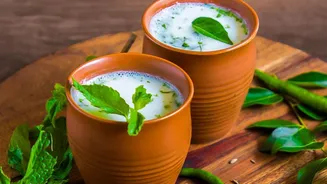
The Cooling Magic of Masala Chaas
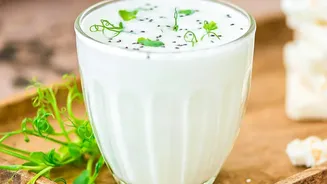
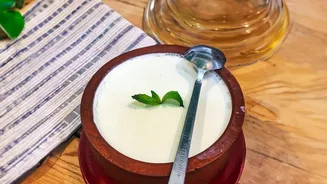
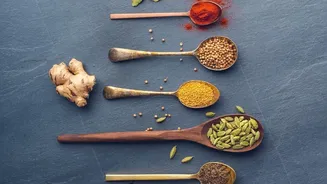
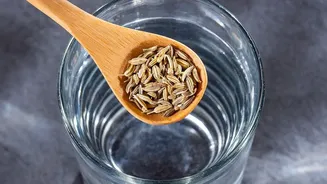
Masala Chaas, or spiced buttermilk, is a staple across India for good reason. It is light, refreshing, and renowned for its digestive properties. The primary ingredient, yogurt or curd, is a natural source of probiotics—beneficial bacteria that support a healthy gut microbiome. These probiotics aid in the efficient breakdown of food, which can prevent indigestion. The spices added to chaas are not just for flavour; they are functional. Roasted cumin powder (jeera) is known to relieve gas and bloating, while ginger helps stimulate digestive enzymes. Black salt (kala namak) is also traditionally used to calm the stomach. Together, these ingredients create a potent, cooling drink that can soothe the stomach lining, especially after a spicy meal.
Quick and Easy Masala Chaas Recipe
Making this digestive aid is incredibly simple and takes less than five minutes. You can easily whip it up after a meal. Ingredients: - 1 cup plain yogurt (curd) - 2 cups chilled water - ½ teaspoon roasted cumin powder - ½ teaspoon black salt (kala namak) - A handful of fresh coriander or mint leaves - ½ inch piece of ginger, finely chopped (optional) Instructions: 1. In a blender, combine the yogurt, chilled water, roasted cumin powder, black salt, fresh herbs, and ginger. 2. Blend on high for about 30-60 seconds until everything is well combined and the chaas is smooth and frothy. 3. Pour into glasses and serve immediately. For best results, it should be consumed chilled.
The Fermented Power of Black Carrot Kanji
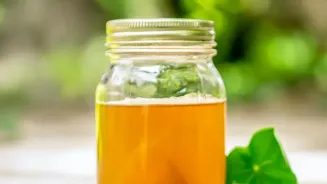
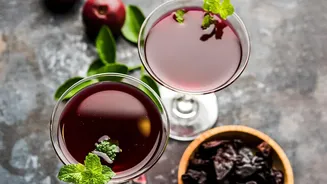
Kanji is a fermented beverage traditionally made in North India during the winter and spring months, prized for its probiotic content. The most popular version uses black carrots (kali gajar), which give the drink its deep purple hue. The process involves lacto-fermentation, where natural bacteria break down the sugars in the carrots, producing lactic acid. This makes Kanji a powerhouse of probiotics, which are essential for gut health. These beneficial microbes help balance gut flora, improve nutrient absorption, and can reduce bloating and constipation. Black carrots themselves are rich in antioxidants, particularly anthocyanins, which have anti-inflammatory properties. The addition of mustard seeds also contributes to its pungent flavour and digestive benefits.
How to Make Black Carrot Kanji
While Kanji requires a few days to ferment, the active preparation time is minimal. The key is to let nature do the work. Ingredients: - 4-5 medium black carrots - 8 cups of water, boiled and cooled - 2-3 tablespoons coarsely ground mustard seeds (rai) - 1-2 teaspoons black salt - 1 teaspoon red chili powder (optional) Instructions: 1. Wash the carrots thoroughly, peel them, and cut them into 2-3 inch long sticks. 2. Place the carrot sticks into a large, sterilized glass or ceramic jar. 3. Add the ground mustard seeds, black salt, and red chili powder to the jar. 4. Pour the cooled water over the ingredients, ensuring the carrots are fully submerged. Stir well with a clean spoon. 5. Cover the mouth of the jar with a muslin cloth and place it in the sun for 2 to 4 days. The duration depends on the intensity of the sunlight. Stir the contents once daily. 6. The kanji is ready when it develops a tangy, slightly pungent taste. Strain the liquid and refrigerate. It can be enjoyed for up to a week.