






The Rise of the Algorithmic Overlords
For the better part of a decade, social media has been ruled by 'the algorithm.' Initially introduced around 2016 on platforms like Instagram and Facebook, these complex systems replaced the simple chronological feed—where you saw the newest posts first—with
a curated experience. The goal was to keep you engaged longer by predicting what you'd find most interesting, relevant, or entertaining. Platforms argued this was necessary because, as networks grew, it became impossible for users to see everything. By 2016, Instagram reported that users were missing 70% of all posts, including nearly half from their close connections. Algorithms were the proposed solution, designed to surface the 'best' content, driving up user activity and, in turn, advertising revenue.
When 'Engagement' Goes Wrong
While effective at capturing attention, the downsides of algorithm-first social media have become increasingly clear. Many users feel a loss of control, their feeds populated by viral videos and suggested posts instead of updates from people they actually follow. This curated reality has been linked to creating echo chambers, spreading misinformation, and negatively impacting mental health. The frustration grew from a low grumble to a widespread demand for change, with users clamoring for the option to simply see posts as they happen. It turns out, having a computer decide what's important to you can feel manipulative and exhausting.
The Return of User Choice
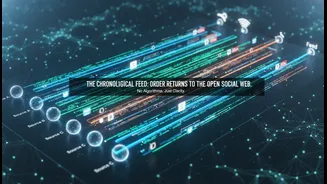
In response, platforms are beginning to hand back some control. Major players like Instagram and Facebook have reintroduced chronological feed options, though often they aren't the default setting. Instagram now offers 'Following' and 'Favorites' feeds that show posts in the order they were published. Meta's Threads recently launched a "Your Algo" feature, allowing users to privately tell the system to show more or less of certain topics for a set period, acknowledging that user interests can be temporary. These changes, while sometimes buried in menus, represent a significant philosophical shift: an admission that the perfectly optimized feed isn't always the most satisfying one.
Experiments in the Open Web
The most radical changes are happening on newer, decentralized platforms. Services like Bluesky and Mastodon are built on an entirely different foundation. Instead of one company controlling the algorithm, these 'open-web' platforms allow for a marketplace of feeds. On Bluesky, which runs on the open AT Protocol, users can choose from dozens of custom feeds created by other users—some focusing on specific topics, others filtering out certain types of content, and many simply offering a pure chronological view. This model, called "algorithmic choice," fundamentally changes the power dynamic, turning the feed from a static product into a customizable tool. Researchers are even using these open platforms to experiment with tools that let users build their own feeds from scratch using natural language prompts.
The Trade-Offs of Control
An algorithm-free feed isn't a silver bullet. The reason platforms adopted them in the first place still holds some truth: a purely chronological timeline from hundreds of accounts can be overwhelming and, frankly, a bit messy. The 'best' content can get buried under a flood of mundane updates. Furthermore, building a custom feed or constantly tweaking your preferences requires effort. Early experiments show that while users enjoy the control, they also find curating their own experience to be a considerable amount of work. The future likely isn't a simple choice between algorithms and no algorithms, but a hybrid model where users have more transparent and direct ways to negotiate what they want to see, blending curation with control.