



The Allure and Risk of Autumn
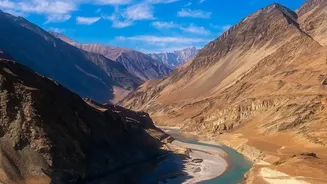
September and early October are often considered a magical time to visit Spiti. The peak season crowds have thinned, the post-monsoon air offers sharp visibility, and the valley is awash with stunning autumn colours. However, this is a transitional season.
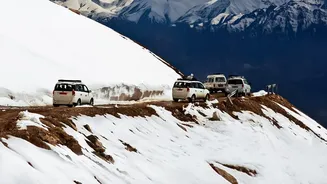
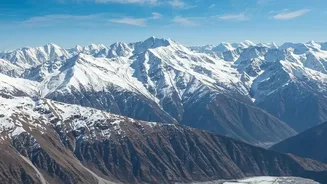
As September progresses, night-time temperatures drop significantly, often falling below freezing, and the risk of early snowfall increases, especially at higher elevations. By mid-October, winter's grip begins to tighten, making travel increasingly precarious. The primary risk revolves around the sudden closure of high-altitude passes, which can leave travellers stranded.
Planning Your Route and Passes
There are two primary routes into Spiti: via Shimla and Kinnaur, or via Manali. For autumn travel, the Shimla-Kaza highway is generally more reliable. It features a more gradual ascent, which aids in acclimatisation, and tends to remain open longer into the season. The Manali-Kaza route, while shorter, involves crossing the formidable Kunzum Pass (4,551 metres). This pass officially closes around mid-October but can shut down earlier with little warning due to snowfall. If you plan to travel in late September or October, it is critical to check the daily road status provided by local authorities like the Border Roads Organisation (BRO) or Lahaul & Spiti police. Always build buffer days into your itinerary to account for potential delays from weather or landslides.
Vehicle Readiness: Your First Line of Defence
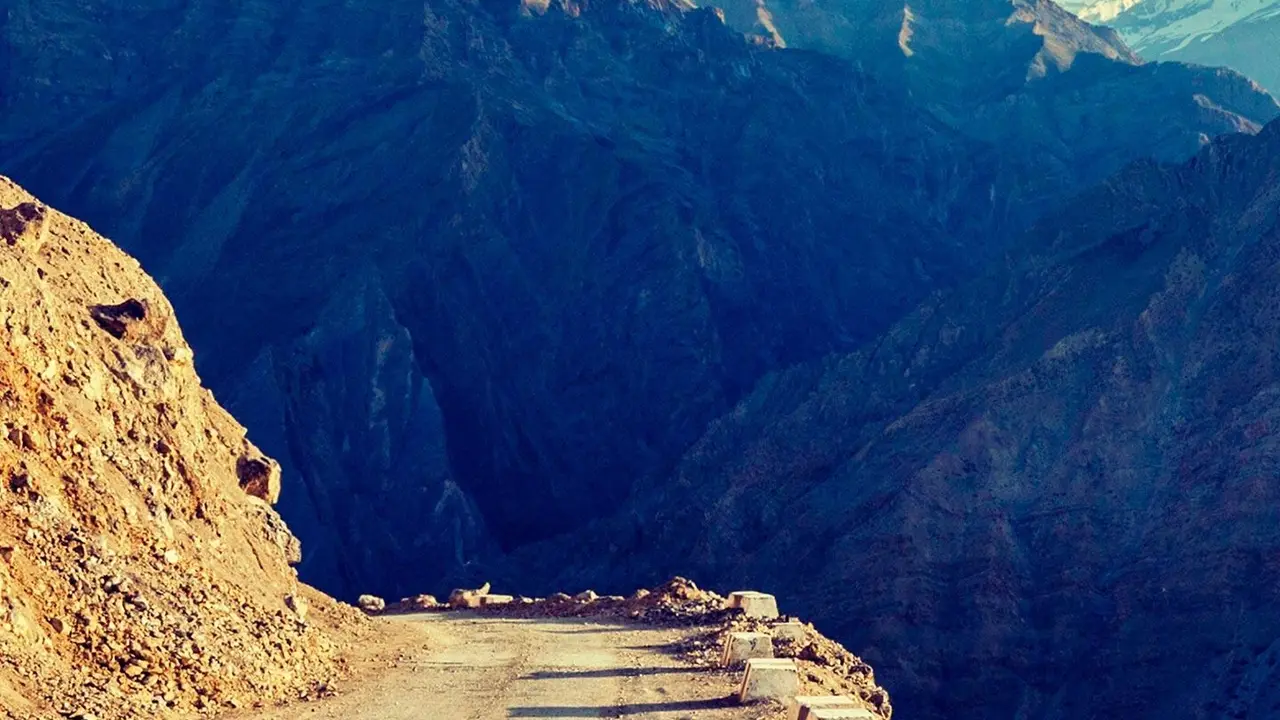
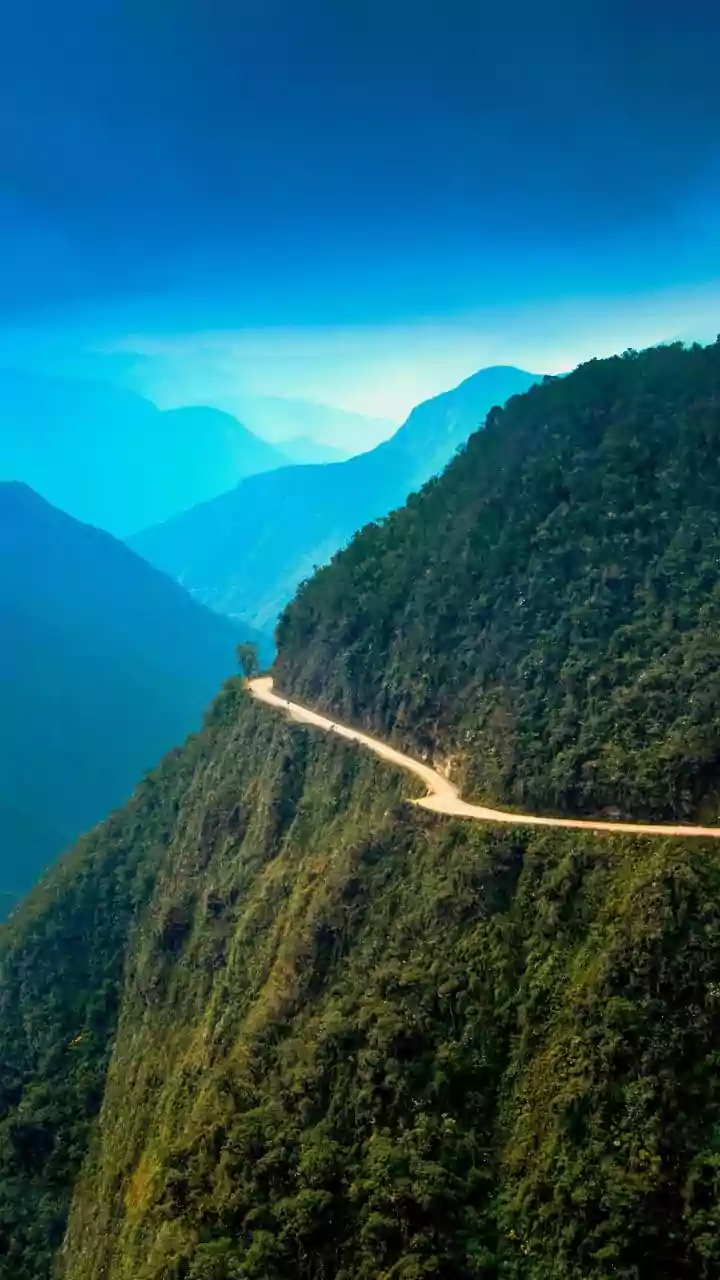
The rugged terrain of Spiti demands a well-prepared vehicle. Whether you are on a motorcycle or in a car, a thorough check is non-negotiable. Ensure your tyres have ample tread and are suitable for rough roads. A vehicle with high ground clearance is highly recommended, especially for the water crossings and broken patches on the Manali-Kaza highway. Check all essential fluids, brakes, and battery health. Carry a basic toolkit, a puncture repair kit, and know how to use them. Given the remoteness, also pack a tow rope and jumper cables. Fuel stations are sparse, so refuel whenever you get the opportunity, particularly in Kaza, Reckong Peo, and Tabo.
Health at High Altitude: Preventing AMS
Acute Mountain Sickness (AMS) is a serious risk in Spiti, where you will consistently be at altitudes above 3,000 metres. Symptoms include persistent headache, nausea, dizziness, and fatigue. The best prevention is gradual acclimatisation. The Shimla route is preferable for this reason. Regardless of the route, plan to spend at least two nights in Kaza (3,800 metres) to acclimatise before ascending to higher villages like Kibber, Komic, or Hikkim. Hydration is crucial; aim to drink 3-4 litres of water daily. Avoid alcohol and smoking, as they hinder the acclimatisation process. It is wise to carry a basic medical kit including medications for headache, nausea, and any personal prescriptions. Consulting a doctor about preventive medication like Acetazolamide (Diamox) before your trip is also recommended. If symptoms become severe, the only cure is immediate descent to a lower altitude.
Packing for Extreme Unpredictability
Packing for Spiti in autumn is all about layering. Daytime can be pleasantly sunny, but temperatures plummet the moment the sun sets. Your packing list must include thermal base layers, fleece mid-layers, and a windproof, waterproof outer jacket. Woollen socks, gloves, a warm beanie or balaclava, and UV-protection sunglasses are essential. Sturdy, waterproof trekking shoes with good grip are non-negotiable. The air is extremely dry, so carry a good moisturiser and lip balm with SPF. With limited connectivity and frequent power cuts, a high-capacity power bank is a modern-day essential. For Indian nationals, no special permits are required for most parts of Spiti, but always carry a valid government-issued photo ID for registrations at various checkposts.