


The Trend: A Return to Richness
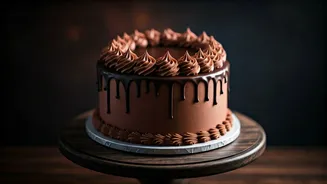
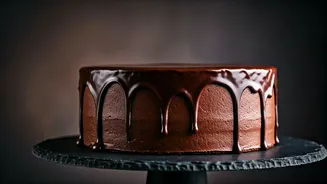
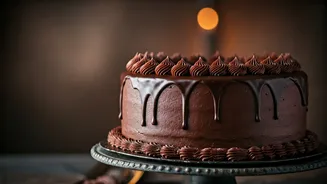
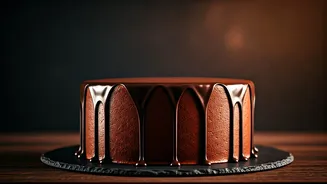
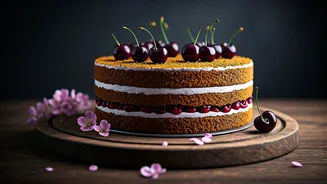
Scroll through any social feed dedicated to baking, and you'll see it: a glossy, dark, and intensely chocolatey cake. This isn't about gimmicks or over-the-top decorations. The trending vintage dark chocolate ganache cake is a celebration of two core
elements: a moist, deeply flavoured chocolate sponge and a silky, decadent ganache that drapes over it like velvet. The "vintage" appeal comes from its simplicity and reliance on quality ingredients, harking back to a time when a cake's primary job was to be unapologetically delicious. It's a direct response to a desire for comforting, authentic flavours, moving away from complex constructions to focus on perfecting the fundamentals.
Deconstructing Perfection: The Cake
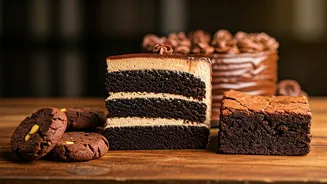
The foundation of this masterpiece is a chocolate cake that stands on its own. Many of the most-loved recipes circulating online have a few things in common. They often use dark cocoa powder, sometimes Dutch-processed for a smoother, less acidic flavour. Another common secret ingredient is hot coffee or water, which 'blooms' the cocoa powder, intensifying its flavour and ensuring a moist crumb. The addition of fats like oil and buttermilk or sour cream guarantees a tender texture that stays fresh for days. The goal isn't a light, airy sponge but something with substance and a powerful chocolate backbone, sturdy enough to support the weight of its luxurious topping.
The Soul of the Cake: Ganache
Ganache is where the magic truly happens. At its heart, it's a simple emulsion of just two ingredients: chocolate and heavy cream. The name itself is rumoured to have come from a culinary accident in 19th-century Paris, when an apprentice mistakenly poured hot cream into a bowl of chocolate, earning him the insult "ganache" (fool). The resulting mixture, however, was a triumph. For this cake, a dark chocolate with a high cocoa percentage (at least 50-70%) is essential to balance the sweetness and provide a rich, complex flavour. The ratio of chocolate to cream determines the final consistency; for this cake, a one-to-one ratio by weight is a common starting point, creating a ganache that is pourable when warm but sets to a fudgy, sliceable texture.
Mastering the Technique
Making perfect ganache is less about the recipe and more about the technique. First, finely chop your chocolate and place it in a heatproof bowl. This ensures it melts evenly without scorching. Next, heat the cream on the stovetop until it's just simmering around the edges—boiling cream can cause the ganache to separate. Pour the hot cream over the chocolate and, crucially, let it sit undisturbed for about five minutes. This allows the heat to gently soften the chocolate. Finally, stir slowly from the center, gradually widening your circles until the mixture is smooth, glossy, and fully combined. If your ganache appears broken or grainy, a splash of warm cream and gentle, continuous stirring can often bring it back together.
Bringing It All Together
Once your cake layers are completely cool and your ganache has been made, the assembly can begin. Let the ganache cool at room temperature, stirring occasionally, until it has thickened to a spreadable, peanut-butter-like consistency. This can take an hour or two. You can then use it as a filling between the cake layers and as a frosting to cover the entire cake. For a pristine, glossy finish, some bakers use the ganache in two ways: a thicker, whipped version for the filling and crumb coat, and a slightly warmer, more fluid version poured over the top for that signature drip or mirror glaze. The key is patience; a chilled cake and room-temperature ganache are the keys to a clean, professional look.