




Sabudana Khichdi
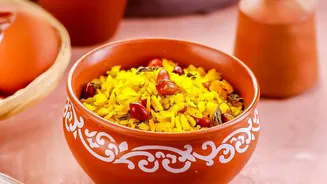
A quintessential fasting food, Sabudana Khichdi is a beloved dish across India during Sawan. Made from soaked tapioca pearls, it's a light yet filling meal that provides a quick source of carbohydrates for energy. Tossed with roasted peanuts, boiled potatoes,
and mild spices like cumin and green chillies, it is cooked in ghee and seasoned with sendha namak (rock salt). Beyond its role in fasting, this dish is naturally gluten-free and easy on the stomach, aligning perfectly with the Ayurvedic principle of having light meals during the monsoon when digestion is considered weaker.
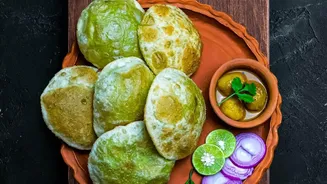
Kuttu ki Puri
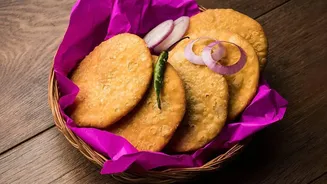
When wheat is avoided during Sawan fasts, Kuttu ka Atta (buckwheat flour) becomes a kitchen staple. These deep-fried, crisp puris have a distinct nutty flavour and a wonderfully rustic texture. Kuttu is not a grain but a fruit seed, making it an accepted ingredient for vrat observances. High in protein and fibre, it keeps you feeling full and satisfied. Paired with a simple and tangy potato curry (Vrat ke Aloo), made without onion or garlic, Kuttu ki Puri creates a classic, comforting meal that is both delicious and compliant with Sawan dietary traditions.
Makhana Kheer
For a dessert that is both divine and nutritious, Makhana Kheer is an excellent choice. Makhana, or fox nuts, are low in calories but rich in protein and calcium. To prepare this kheer, the fox nuts are lightly roasted in ghee until crisp, then simmered in milk until it thickens. The dessert is delicately flavoured with cardamom, sweetened with sugar, and often garnished with slivered almonds and pistachios. It’s a creamy, comforting sweet that feels indulgent yet remains light and sattvic, making it a perfect conclusion to a Sawan meal.
Lauki ki Sabzi
Bottle gourd, or Lauki, is highly recommended by Ayurveda, especially during the monsoon. It is incredibly light on the stomach and has high water content, which helps keep the body hydrated and cool. During Sawan, it’s prepared as a simple sabzi without onion, garlic, or heavy spices. A gentle tempering of cumin seeds, ginger, and green chillies in ghee is all that’s needed to bring out its subtle flavour. This dish is easy to digest and helps balance the body, making it an ideal choice for a fasting day.
Singhare ka Halwa
Another vrat-special flour, Singhare ka Atta (water chestnut flour), is used to create a delightful and dense halwa. This sweet dish is made by roasting the flour in ghee until it turns aromatic and golden-brown, then cooking it with sugar and water or milk to form a rich, smooth pudding. Flavoured with cardamom and garnished with nuts, it’s an energy-dense sweet that helps replenish strength while fasting. Like buckwheat, water chestnut flour is gluten-free and considered a 'cooling' food, which is beneficial during the humid monsoon season.
Samak Rice Pulao
Samak rice, also known as barnyard millet, is the perfect substitute for regular rice during Sawan fasts. It's technically a seed, not a grain, which is why it's permitted. This tiny, round millet is light, easy to digest, and cooks quickly. A simple pulao can be made by sautéing the millet with vrat-friendly vegetables like potatoes and carrots, along with peanuts for crunch. Seasoned with rock salt, black pepper, and cumin, Samak Rice Pulao is a wholesome and flavourful one-pot meal that provides steady energy.
Fruit Chaat
The simplest and most refreshing meal during Sawan is a vibrant Fruit Chaat. Fasting often involves a focus on natural, uncooked foods, and fruits are a perfect example. A mix of seasonal fruits like apples, bananas, pomegranates, and papayas provides a wealth of vitamins, minerals, and natural sugars for instant energy. A sprinkle of sendha namak and roasted cumin powder can be added for a tangy twist. It's hydrating, requires no cooking, and aligns with the sattvic principle of consuming pure and simple foods.