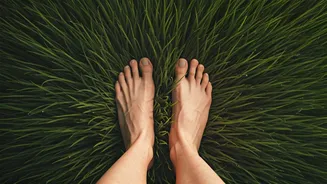








First, What Is 'Grounding'?
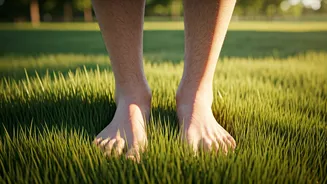
At the heart of this trend is a concept called 'grounding' or 'earthing.' The central idea is that in our modern, shoe-clad lives, we've become disconnected from the Earth's natural energy. Proponents claim that by making direct skin contact with the ground—be
it grass, sand, or dirt—we allow a transfer of free electrons from the Earth into our bodies. This transfer, they argue, can help stabilize our internal bioelectrical environment, much like grounding an electrical appliance prevents charge buildup. The practice itself is simple: kick off your shoes and spend 15 to 30 minutes walking or standing on a natural surface. While the act is ancient, its branding as a high-concept wellness solution is decidedly new, fueled by social media and a desire for low-cost, natural health remedies.
The Claim: A Fix for Modern Ailments
The promises associated with grounding are expansive. The most prominent advocates, including wellness influencers and authors of books on the topic, suggest it can be a powerful antidote to the chronic ailments of modern life. The list of purported benefits is long: reduced inflammation (seen as a root cause of many diseases), improved sleep, decreased chronic pain, lower stress and anxiety by regulating the stress hormone cortisol, and even better cardiovascular health. The narrative is compelling because it taps into a collective feeling that our technology-saturated, indoor lifestyles are fundamentally unhealthy. Grounding offers a seductively simple, free, and 'natural' solution to complex problems.
The Reality: A Look at the Science
This is where things get complicated. The scientific evidence for grounding is, to be generous, thin. The field is composed of a handful of small studies, many of which are cited repeatedly by advocates. While some of these studies, often published in alternative medicine journals, have reported positive findings like reduced pain or better sleep, they frequently suffer from major limitations. These include very small sample sizes, lack of proper control groups, and failure to be replicated by independent researchers. The mainstream scientific and medical communities remain highly skeptical, pointing out that the 'electron transfer' theory is biologically implausible and that the perceived benefits are more likely attributable to the powerful placebo effect. Getting special treatment or believing a therapy will work can, in itself, produce positive results. For now, there is no robust scientific consensus that walking barefoot provides health benefits beyond what can be explained by other factors.
The Undeniable (and Simpler) Benefits
So, should you dismiss it as pure pseudoscience? Not so fast. While the electron theory may be shaky, the act of walking barefoot on grass has several well-established, non-magical benefits. First, there's the power of mindfulness. Feeling the cool, damp blades of grass under your feet forces you into the present moment, providing a sensory anchor that can quiet a racing mind. This is a classic mindfulness exercise. Second, there are the proven psychological benefits of 'forest bathing' or simply spending time in nature, which is known to reduce stress, improve mood, and boost focus. Finally, walking barefoot can strengthen the muscles in your feet and improve your proprioception—your body's awareness of its position in space. You don't need to believe in electron transfers to recognize that a mindful 20-minute break in a quiet park is good for you.
How to Try It Safely
If you're curious, there's little harm in trying. The best part of this 'craze' is that it’s free and accessible. To do it safely, choose your location carefully. Your own backyard or a well-maintained public park are great options. Before you take off your shoes, do a quick visual scan of the area for hazards like sharp rocks, glass, pesticides, or animal droppings. Start with just 10-15 minutes to let your feet acclimate, especially if you're used to wearing supportive shoes all day. Pay attention to how you feel. Does the sensation of the earth under your feet calm you down? Does it feel good? If the answer is yes, then you've found a new tool for your wellness toolkit, regardless of what the electrons are doing.