








The Real Cost of a Bargain
The smartest shoppers don't just look at the upfront price; they think in terms of 'cost per use'. A slightly more expensive item that lasts twice as long is actually the cheaper option in the long run. Think of a large, discounted bottle of cooking oil
versus a smaller, moderately priced one. If the large bottle goes rancid before you can finish it, you've not only wasted oil but also the money you thought you were saving. This principle of valuing longevity over a low initial price applies to countless household purchases, from the food in your pantry to the batteries in your remote. Focusing on durability and shelf life means fewer replacement trips, less waste, and more value for your money.
Winning in the Pantry Aisle
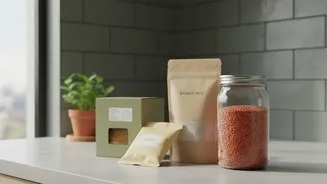
Your pantry is a key area where storage life makes a huge difference. Consider dried spices. A huge container might seem economical, but ground spices lose their potency in about two to three years. If you only use a specific spice occasionally, buying a smaller, fresher packet—even if the per-gram cost is higher—ensures your food actually tastes the way it's supposed to. The same logic applies to flour. Whole wheat flour, due to its oil content, can go bad in under a year, while all-purpose flour lasts a bit longer. Buying a massive bag during a sale is only a good deal if you can use it before it develops an off smell. On the other hand, items with a near-indefinite shelf life like white rice, honey, and salt are excellent candidates for buying in bulk to save money, as long as they are stored properly in a dry place.
Fresh Produce and Reducing Waste
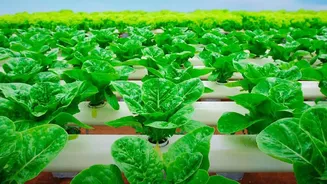
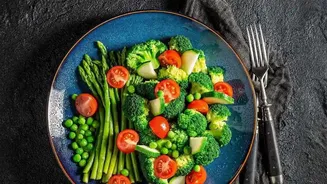
When it comes to fresh fruits and vegetables, paying a little extra for quality and freshness can drastically cut down on food waste. That bag of slightly bruised apples on clearance might seem like a steal, but if half of them go soft before you can eat them, you've lost money. Fresher produce often has a longer shelf life at home. Storing it correctly is just as crucial. For example, keeping fruits that produce ethylene gas (like bananas and tomatoes) separate from sensitive vegetables (like potatoes and leafy greens) can prevent premature spoilage. Wrapping leafy greens in a paper towel before refrigerating can keep them crisp for up to a week. Simple techniques like these, combined with buying produce that will last, protect your grocery budget from ending up in the compost bin.
Beyond the Kitchen
This value-over-price mindset extends well beyond groceries. Batteries are a classic example. Cheaper, generic batteries often have a shorter lifespan, leading to more frequent purchases and the frustration of devices dying at inconvenient times. Investing in a reputable brand that costs a bit more upfront can provide longer-lasting power, resulting in a lower cost per hour of use. This applies to everything from clothing to appliances. A well-made shirt that survives years of washing is more economical than a cheap one that loses its shape after a few cycles. Similarly, an appliance with a reputation for durability might have a higher initial cost but saves money over its lifetime by avoiding frequent repair or replacement fees. In many cases, paying for quality is paying for reliability and peace of mind.
How to Judge Longevity at the Store
Becoming a savvy shopper involves more than just comparing prices. Start by paying close attention to 'best before' and 'use by' dates, understanding that 'best before' relates to quality, while 'use by' relates to safety. For packaged goods, check for intact seals and undamaged containers, as these protect the product from contaminants and spoilage. For produce, learn the signs of freshness—vibrant colours, firm texture, and a fresh smell. Don't be afraid to buy smaller quantities of items you use infrequently, even if buying in bulk seems cheaper per unit. While bulk buying can save an average of 27% on some items, that saving disappears if the product is wasted. It's a shift from asking 'what is the cheapest?' to 'what is the best value?'.