


Understanding the 'K': What Karat Means
Before diving into the comparison, it’s essential to understand what 'karat' (K) signifies. Karat is the unit used to measure the purity of gold. The system is based on a scale of 24 parts. The higher the karat number, the greater the amount of pure gold in the metal.
This simple measurement is the key to understanding the value, appearance, and durability of any gold item you purchase, whether it's a festive necklace or an investment coin.
24K Gold: The Purest Form
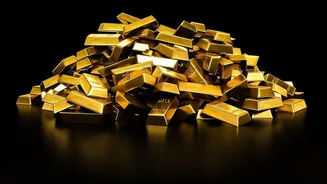
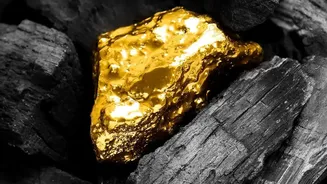
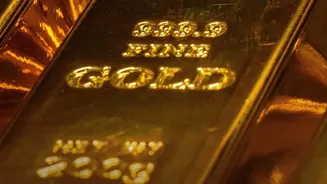
24K gold is the purest gold you can buy, with a purity of 99.9%. It contains 24 out of 24 parts pure gold, with no other metals mixed in. This purity gives it a distinct, bright, and vibrant yellow colour that is unmatched. However, this purity comes with a trade-off: softness. 24K gold is incredibly malleable and soft, making it prone to bending, scratching, and deforming under pressure. Because of this delicate nature, it is generally not suitable for everyday jewellery. Instead, its primary use is for investment purposes, such as gold bars, bullion, and coins, where its intrinsic value as a pure metal is paramount.
22K Gold: The Standard for Jewellery
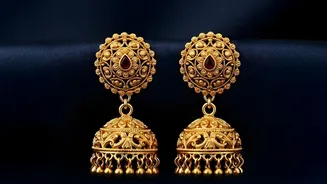
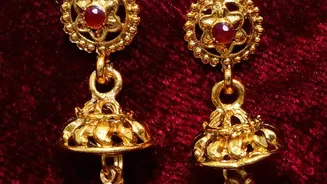
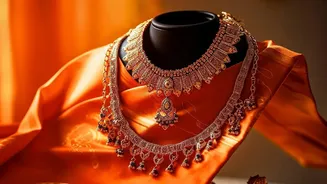
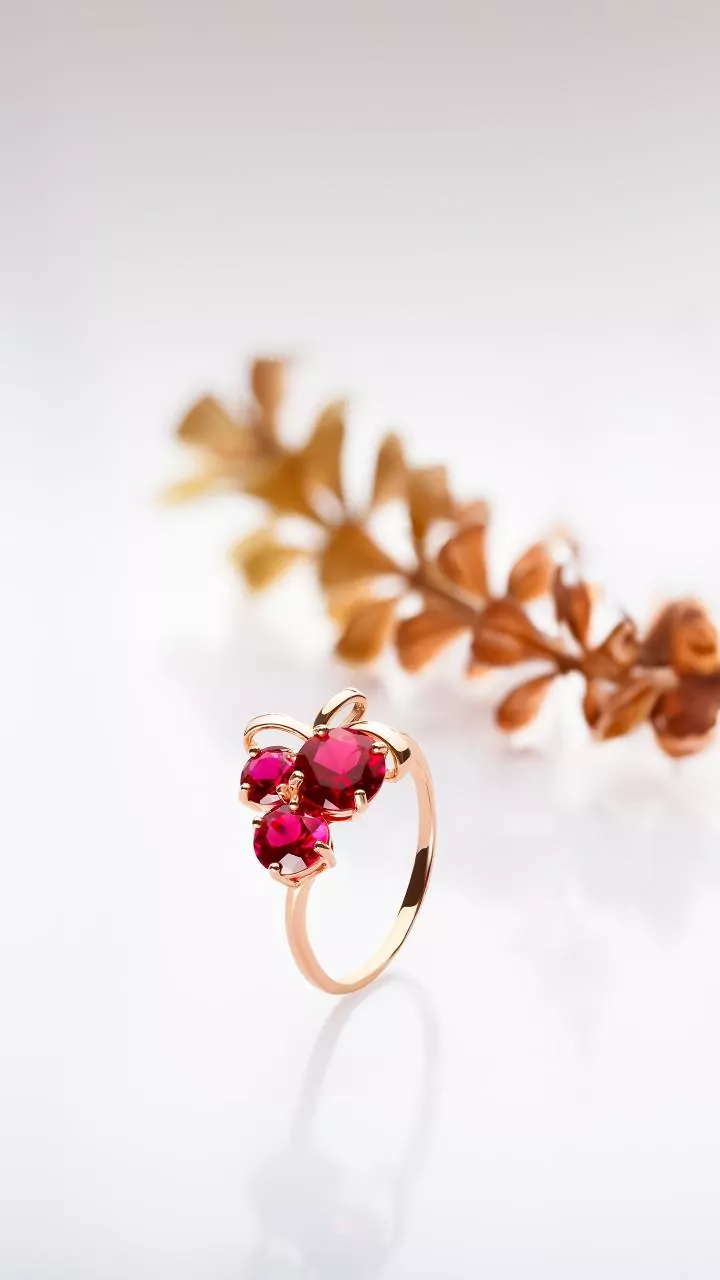
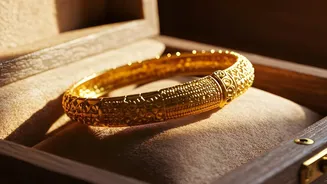
22K gold is what most traditional Indian jewellery is made of. It consists of 22 parts gold and 2 parts other metals, making it 91.67% pure gold. The remaining 8.33% is an alloy, typically a mix of metals like copper, silver, or zinc. The addition of these harder metals makes 22K gold significantly more durable and rigid than its 24K counterpart. This added strength is crucial for crafting intricate jewellery designs and ensuring that ornaments can withstand regular wear without getting damaged. It strikes a perfect balance between high purity and practical durability.
Durability: The Most Practical Difference
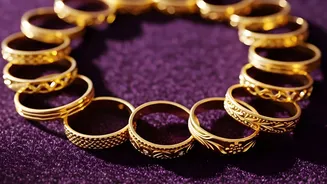
The single most significant practical difference for a consumer is durability. If you're buying jewellery to wear, especially items like rings or bangles that are exposed to daily knocks, 22K is the clear winner. Pure 24K gold is so soft it can be compared to the hardness of a fingernail. It can easily scratch or bend out of shape, and it cannot securely hold gemstones in place. In contrast, the alloys in 22K gold provide the necessary resilience for daily life, ensuring that your precious ornaments maintain their form and finish for years. This is why jewellers across India recommend 22K for most wearable pieces.
Investment vs. Adornment: What Is Your Goal?
Your choice between 22K and 24K should ultimately depend on your purpose. If your primary goal is pure investment and wealth preservation, 24K gold in the form of coins or bars is the ideal choice. It offers the highest intrinsic value because you are paying for nearly 100% gold. If your goal is adornment—buying jewellery for weddings, festivals, or personal style—then 22K gold is the superior option. It offers the beauty and high value of gold in a form that is practical and long-lasting. It combines aesthetic appeal with strong resale value, making it a beloved choice for generations.
Decoding Price and Hallmarking
Naturally, 24K gold is more expensive per gram than 22K gold due to its higher purity. The price of 22K gold is typically around 91.6% of the 24K rate, before adding other costs like making charges and GST. Regardless of the karat, always look for the Bureau of Indian Standards (BIS) hallmark when buying. For 22K gold, this will be stamped as '916' (denoting 91.6% purity). For 24K gold, the mark is '999'. The mandatory BIS hallmark also includes the BIS logo and a unique six-digit alphanumeric HUID (Hallmark Unique Identification) code, which guarantees authenticity.