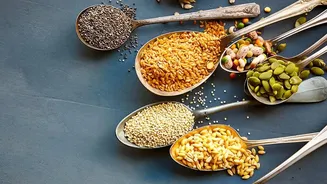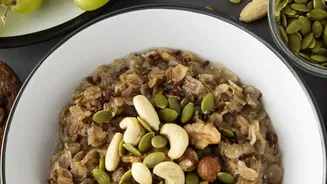



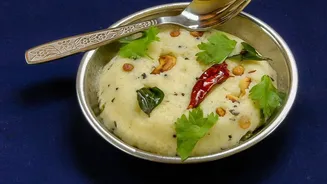

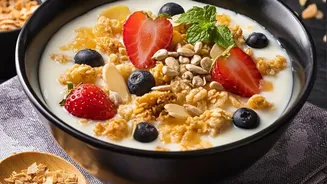
Managing a diabetes-friendly diet can feel complex, but small, consistent changes can make a significant impact. Starting your day with a nutrient-dense breakfast is key, and a simple spoonful of seeds can be a powerful addition.
1. Chia Seeds: The Fibre Powerhouse
Tiny but mighty, chia
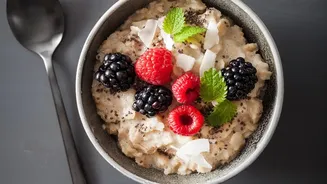
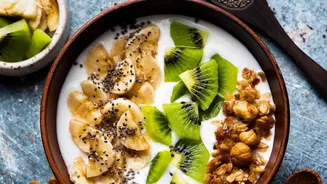
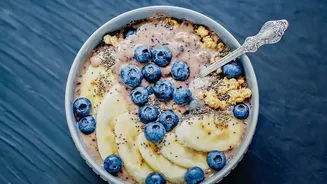
seeds are celebrated for their incredibly high fibre content. This fibre, particularly soluble fibre, forms a gel-like substance when mixed with liquid, which slows down digestion. This process helps prevent sharp spikes in blood sugar after a meal by allowing for a more gradual release of glucose into the bloodstream. Chia seeds are also a great source of omega-3 fatty acids and magnesium, which support heart health and glucose metabolism. Their low glycemic index makes them an excellent choice for anyone looking to maintain stable energy levels. For a morning bowl, try making an overnight chia pudding with milk or yoghurt, or simply sprinkle a tablespoon over your oatmeal or smoothie for an easy nutritional boost.
2. Flaxseeds: For Heart and Sugar Support
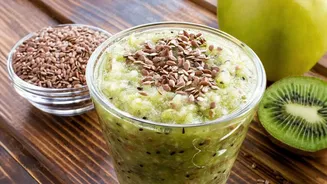
Flaxseeds, also known as 'alsi', are another fantastic addition to a diabetes-conscious diet. They are a prime source of both soluble and insoluble fibre, which aids in slowing carbohydrate absorption and stabilising blood sugar. Furthermore, flaxseeds are rich in alpha-linolenic acid (ALA), a type of omega-3 fatty acid known for its anti-inflammatory properties that may improve insulin sensitivity. They also contain compounds called lignans, which act as antioxidants and are linked to better heart health—a crucial consideration for individuals managing diabetes. For the best absorption of nutrients, it's recommended to consume flaxseeds ground. Stir a spoonful of ground flaxseed into your daliya, porridge, or blend it into a breakfast smoothie.
3. Pumpkin Seeds: The Magnesium Boost
Often called pepitas, pumpkin seeds are packed with nutrients that support metabolic health. They are one of the best natural sources of magnesium, a mineral that plays a vital role in the body's insulin function and glucose regulation. Adequate magnesium intake is associated with improved insulin sensitivity. These seeds also provide a healthy dose of protein, fibre, and healthy fats, which work together to slow digestion and prevent rapid blood sugar increases. Studies have shown that adding pumpkin seeds to a meal can help reduce post-meal blood sugar spikes. Enjoy a handful of unsalted, roasted pumpkin seeds as a snack, or sprinkle them over yoghurt or a bowl of fruit for a satisfying crunch.
4. Sunflower Seeds: Rich in Healthy Fats
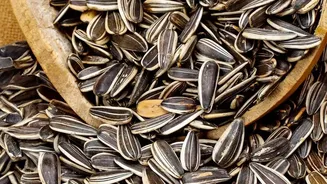
Sunflower seeds are more than just a simple snack; they are a nutrient dense food that fits well into a diabetes friendly diet. They have a low glycemic index and are a good source of healthy unsaturated fats, protein, and fibre, all of which help in stabilising blood sugar levels. These seeds are particularly rich in vitamin E, an antioxidant that helps combat inflammation, and they also contain beneficial plant compounds like chlorogenic acid that may contribute to their blood sugar lowering effects. Like pumpkin seeds, they are a good source of magnesium. Add a tablespoon of shelled, unsalted sunflower seeds to your morning cereal, oatmeal, or salad for added texture and nutrients.
5. Sesame Seeds: A Low Carb Option
A staple in Indian cuisine, sesame seeds offer significant benefits for blood sugar management. They are low in carbohydrates and rich in protein and healthy fats, which helps minimise their impact on blood glucose levels. Sesame seeds contain unique lignans, like sesamin, and a compound called pinoresinol, which may help improve insulin sensitivity and slow sugar digestion. They are also a good source of essential minerals like magnesium, calcium, and iron. Several studies have pointed to sesame consumptions positive effects on reducing fasting blood sugar and HbA1c levels. You can easily incorporate them into your breakfast by sprinkling them on upma, poha, or mixing them into the batter for cheela.