

Safety, Altitude, and Acclimatization
Before lacing up your boots, it's crucial to understand what makes a high-altitude trek 'safe'. It is less about the absence of risk and more about smart management. Safety for a beginner involves a gradual ascent, a well-defined trail, and sufficient
time for your body to acclimatize. Acclimatization is the process of your body adjusting to lower oxygen levels at higher elevations. The golden rule is to 'climb high, sleep low', meaning you can hike to a higher point during the day but should return to a lower altitude to sleep. Experts recommend ascending your sleeping altitude by no more than 300-500 meters per day above 2,500 meters. Proper hydration, good nutrition, and avoiding alcohol are also key to a successful trek. Choosing a trek with good infrastructure, such as established teahouses and the option to hire a local guide, adds a significant layer of safety.
Nag Tibba Trek, Uttarakhand
Often called the perfect weekend trek, Nag Tibba ('Serpent's Peak') is one of the most accessible high-altitude experiences for beginners. Located near the popular hill station of Mussoorie, this trek can be completed in just two days. The trail takes you through dense forests of oak and rhododendron to a maximum altitude of around 3,022 metres (9,915 feet). Because the altitude gain is relatively modest and happens over a short period, it's an excellent introduction to how your body feels at height without being overly strenuous. The trek offers stunning 100-degree views of major Himalayan peaks, including Swargarohini and Bandarpoonch, making the reward far greater than the effort invested. Its year-round accessibility and clear trail make it a reliable and safe choice for a first Himalayan adventure.
Chopta-Chandrashila Trek, Uttarakhand
Graded as easy-to-moderate, the Chopta-Chandrashila trek is a favourite among beginners who want a taste of a proper summit climb without extreme difficulty. The journey takes you to the Tungnath temple, the highest Shiva shrine in the world, before a final push to the Chandrashila summit at about 4,000 metres (13,000 feet). Despite the altitude, the trek is considered safe for beginners due to its well-defined, paved path up to Tungnath and a gradual ascent profile. The entire trek from the starting point of Chopta can be done in a single long day, though most prefer to take their time. The real prize is the panoramic 360-degree view from the summit, offering a clear sight of Himalayan giants like Nanda Devi, Chaukhamba, and Kedar Peak. The best time to go is between April and June or September and November for clear skies.
Poon Hill Trek, Nepal
If your heart is set on Nepal, the Poon Hill trek is a classic and highly recommended entry point into the Annapurna region. This trek is renowned for being one of the easiest and most rewarding short treks in the country, typically completed in 4-5 days. The highest point is Poon Hill itself at 3,210 metres (10,531 feet), significantly reducing the risk of severe altitude sickness. The trail is well-established and passes through charming Gurung and Magar villages, with a fantastic network of teahouses for comfortable overnight stays and meals. The highlight for many is the sunrise hike to the top of Poon Hill, which offers a breathtaking panorama of the Annapurna and Dhaulagiri mountain ranges. The combination of cultural immersion, moderate daily walking hours (4-6 hours), and spectacular scenery makes it a perfect first-time Himalayan experience.
Kedarkantha Trek, Uttarakhand
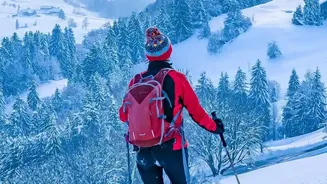
For those seeking a winter wonderland experience, the Kedarkantha trek is an outstanding choice for beginners. While it is a winter trek known for its beautiful snowy landscapes, its trails are well-marked and it has a supportive infrastructure, making it safe for novices. The trek is considered to have a moderate difficulty level, with a gradual ascent to the summit at 3,858 metres (around 12,500 feet). The route takes you through pristine snowfields, pine forests, and picturesque campsites like Juda Ka Talab. Trekking companies offer excellent support with experienced guides, equipment, and established campsites, which is crucial for safety, especially in winter conditions. With adequate physical preparation and proper warm clothing, a first-timer can comfortably and safely reach the summit and witness the stunning Himalayan views.