





The Art of the Zest
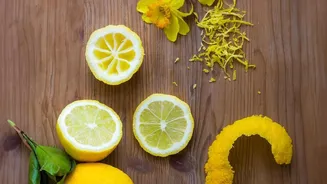
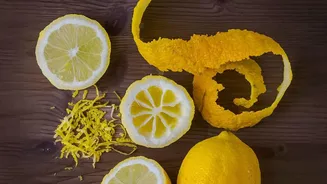
Before you start, it’s important to know what you’re after. The zest is only the thin, coloured outer layer of the peel. The white layer underneath, called the pith, is bitter and best avoided. The easiest way to get perfect zest is with a microplane
or the finest side of a box grater. Simply grate the clean, dry lemon, rotating it as you go to remove only the yellow part. If you don't have a grater, a vegetable peeler or a small paring knife can work; just peel thin strips and then finely chop them.
Savoury Start: A Simple, Zesty Pasta
One of the quickest ways to a restaurant-quality meal at home is by adding lemon zest to pasta. For a simple and elegant dish, toss hot spaghetti with olive oil, minced garlic, red pepper flakes, and a generous amount of lemon zest. The heat from the pasta will release the aromatic oils from the zest, creating an incredible fragrance and flavour. Finish with a sprinkle of parmesan cheese and fresh parsley. This basic combination is also a great starting point for additions like grilled shrimp, roasted asparagus, or shredded chicken.
Main Course: Bright and Juicy Chicken
Lemon and chicken are a classic pairing for a reason. Lemon zest can be used in a marinade to tenderise the meat or added to a pan sauce for a burst of freshness. For an easy weeknight dinner, make a simple sauce by melting butter in a skillet, then adding garlic, chicken broth, lemon juice, and plenty of lemon zest. Pan-sear chicken cutlets, then return them to the skillet to simmer in the sauce. The zest balances the richness of the butter, resulting in a dish that feels both comforting and light.
Elevated Sides: Roasted Vegetables
A sprinkle of lemon zest can completely transform roasted vegetables. Whether it’s broccoli, asparagus, potatoes, or cauliflower, the technique is the same. Toss your vegetables in olive oil, salt, and pepper, and roast them until tender and slightly caramelised. Immediately after taking them out of the oven, grate fresh lemon zest over the top. The residual heat will warm the zest and release its fragrant oils, adding a fresh, vibrant finish that cuts through the richness of the roasted vegetables.
Sweet Treats: Lemon in Baked Goods
In baking, lemon zest is a superstar. It provides a pure, bright lemon flavour that juice alone cannot. For muffins, scones, or pound cakes, rub the lemon zest into the sugar with your fingertips before mixing it with the other ingredients. This simple step releases the oils from the zest and infuses the sugar with intense lemon aroma, ensuring the flavour is distributed throughout every bite. From classic lemon bars to blueberry muffins, a bit of zest makes all the difference.
Finishing Touches: Flavoured Sugars and Salts
Don't limit zest to just the main components of a dish. You can create versatile flavour boosters for future use. For lemon sugar, simply mix freshly grated zest with granulated sugar and let it dry. This can be used to rim cocktail glasses, sprinkle over cakes, or sweeten your tea. Similarly, mixing zest with coarse salt and herbs creates a finishing salt that’s perfect for seasoning fish, chicken, or vegetables. It’s an easy way to capture that fresh lemon flavour and have it ready to go.