




Why More Fibre Matters
Dietary fibre, found in plant-based foods, is a powerhouse nutrient. Experts in India recommend adults consume around 25 to 30 grams daily, but many urban Indians get only about half of that. A high-fibre diet does more than just aid digestion and prevent
constipation. It plays a crucial role in managing blood sugar levels, lowering cholesterol, and reducing the risk of heart disease and type 2 diabetes. It also helps you feel full for longer, which can be a great ally in maintaining a healthy weight. Think of it as an essential nutrient for overall metabolic health that is hiding in plain sight in our traditional foods.
The Whole Grain Advantage
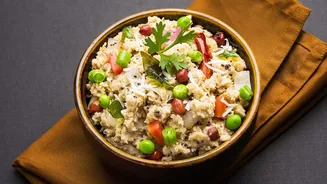
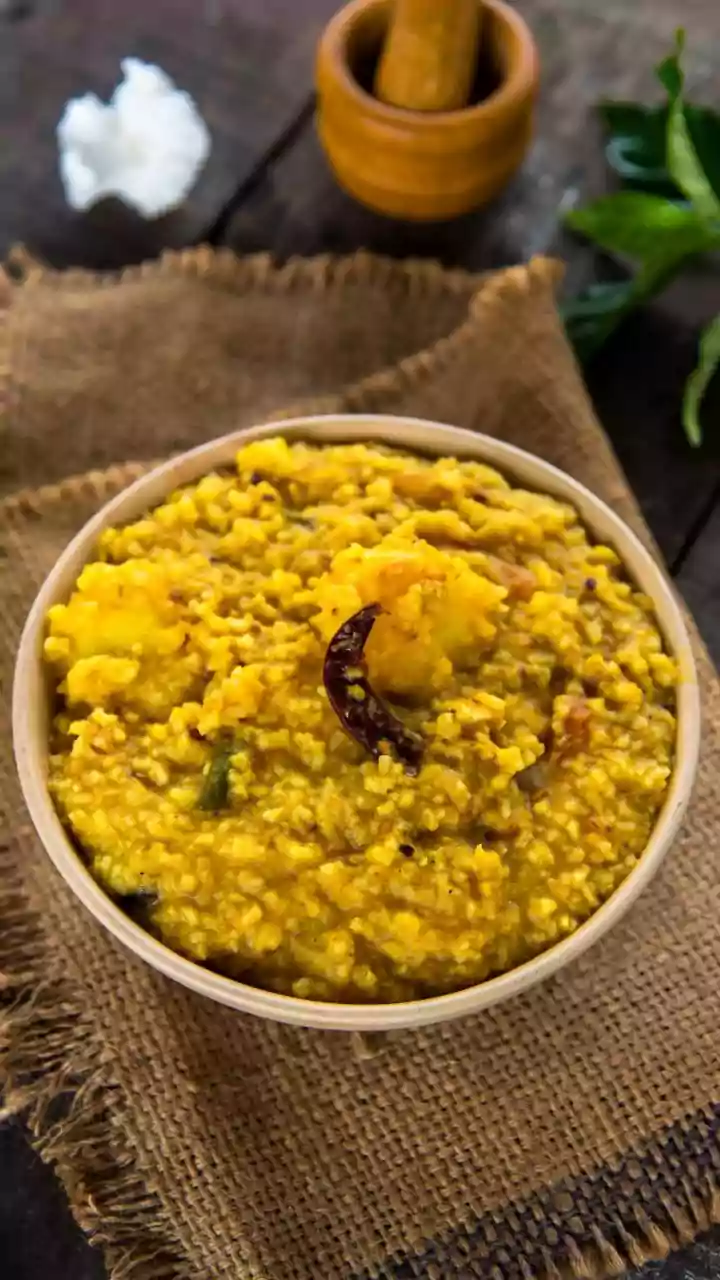
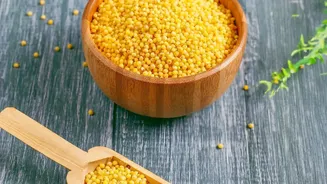
One of the easiest switches is from refined grains to whole grains. A whole grain contains all three parts of the kernel: the bran, germ, and endosperm, locking in fibre, vitamins, and minerals. Refined grains, like white rice and maida, have had the fibrous bran and nutrient-rich germ removed. Start by swapping a portion of your white rice with brown rice in dishes like pulao or even with your daily dal. You can also mix whole wheat flour (atta) with millet flours like jowar, bajra, or ragi to make your rotis more nutrient-dense. Even comfort foods like khichdi can get an upgrade by using millets or whole wheat kernels instead of just white rice.
Embrace the Power of the Pulse
Pulses—the dried seeds of legumes like dals, chana, and rajma—are a cornerstone of Indian cuisine and packed with protein and fibre. To maximise the fibre benefit, choose whole pulses (sabut dals) over split, skinless ones (dhuli dals) whenever possible. The skin is where a significant amount of the dietary fibre is concentrated. For instance, using whole black gram (sabut urad) for your dal makhani instead of the split version increases its fibre content. The same goes for green moong; using the whole pulse for sprouting or in a dal preparation is more beneficial than using the split yellow mo-ong dal. Dishes like rajma and chana masala are already excellent sources of fibre because they use the pulse in its whole form.
Simple Swaps for Everyday Meals
Integrating more fibre doesn't require a complete overhaul of your kitchen. Start with small, manageable changes. Try making your breakfast poha with red or brown rice flakes. When preparing dosa or idli batter, experiment by substituting a portion of the white rice with millets or brown rice. Snacks can also be an opportunity. Instead of fried snacks made with refined flour, opt for a handful of roasted chana, a bowl of sprouts bhel, or even millet-based cutlets. The key is consistency. By making these small shifts part of your routine, you naturally increase your fibre intake without feeling like you are on a restrictive diet.
A Smooth Transition
If your diet has been low in fibre, it is best to increase your intake gradually to allow your digestive system to adapt. A sudden jump can sometimes cause bloating or gas. As you add more fibre-rich foods like whole grains and pulses to your meals, it is also important to increase your water intake. Fibre works best when it is well-hydrated, as it absorbs water to help move things smoothly through your digestive system. Don't worry about minor changes in texture or cooking time; whole grains often take slightly longer to cook than their refined counterparts, but the payoff in health benefits is well worth the small adjustment.