






The Current Travel Grind
For a family in Pune planning a trip to Europe, or a business professional in Indore's industrial belt heading to the Middle East, the journey often begins with a domestic flight. The first leg of their international trip is a flight to a major hub like
Mumbai or Delhi. This adds hours, if not a full day, to the itinerary, along with the stress of navigating crowded airports, managing baggage transfers, and facing potential delays that could jeopardise their connecting flight. This 'double journey' has long been the accepted reality for travellers from India's burgeoning Tier-II cities and the satellite towns surrounding major metros. It not only inflates travel time but also frequently increases costs, as the additional domestic leg adds to the total fare. Data shows that Mumbai's airport handles a significant portion of connecting international traffic from nearby cities, creating a bottleneck that affects travellers from across western India.
A New Gateway for Western India
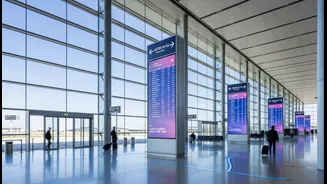
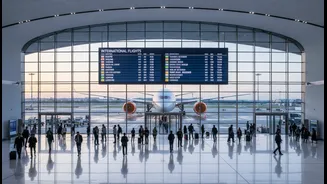
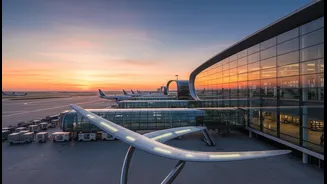
The Navi Mumbai International Airport (NMIA), which commenced commercial operations in late 2025 and is set to launch international flights from mid-July 2026, is poised to be a monumental game-changer. Located strategically to serve the sprawling Mumbai Metropolitan Region (MMR), NMIA is not just an overflow airport; it's a destination hub in its own right. With an initial capacity of 20 million passengers annually, it is designed to decongest the perennially strained Chhatrapati Shivaji Maharaj International Airport (CSMIA). For residents of Navi Mumbai, Thane, Pune, and beyond, this means direct access to international flights without the long road journey into Mumbai. Air India Express is slated to be among the first carriers, launching a direct service to Abu Dhabi, with more routes expected to follow. The airport's integration with major infrastructure like the Mumbai Trans Harbour Link further enhances its accessibility, promising to slash travel times and provide a far more streamlined experience.
Central India's Global Connection
Meanwhile, in the heart of the country, Indore's Devi Ahilya Bai Holkar Airport is scripting its own story of global ambition. While it has held international status for several years, its connectivity has been steadily growing. After a brief suspension of some routes, the airport is restarting international operations in mid-July 2026 with a direct Air India Express flight to Abu Dhabi four times a week. This service replaces a previous Sharjah route and offers passengers from across Madhya Pradesh a direct gateway to a major global transit hub. From Abu Dhabi, travellers can connect to over 80 cities worldwide, bypassing the need for a layover in Delhi or Mumbai. This direct link is more than a convenience; it is a strategic advantage for the region's students, tourists, and business community, providing easier access to global markets.
The Ripple Effect of Direct Flights
The most immediate benefit for passengers is the significant reduction in travel time and complexity. Cutting out the domestic feeder flight can save anywhere from five to ten hours on a round trip. This simplification makes international travel less daunting and more accessible. Furthermore, increased competition and the elimination of a flight segment are expected to have a downward pressure on fares. Direct international services from regional airports encourage airlines to offer competitive pricing to attract passengers who might otherwise transit through a larger hub. This trend is part of a broader national strategy to enhance regional connectivity, with the number of operational airports in India having more than doubled over the last decade, many in Tier-II and Tier-III cities.
More Than Just Passenger Convenience
The impact of these new international routes extends far beyond the passenger terminal. For export-oriented industries in regions like the Pithampur industrial belt near Indore or the manufacturing hubs around Pune, direct international cargo flights are a massive boon. They reduce logistics costs and transit times, making local businesses more competitive on the global stage. Navi Mumbai's airport, with its massive cargo handling capacity, is particularly positioned to boost trade. These airports also act as economic magnets, spurring growth in hospitality, real estate, and local employment. As Navi Mumbai and Indore connect directly to the world, they are not just reshaping travel plans; they are redrawing India's economic map, empowering regional growth and bringing global opportunities closer to home for millions.