




Beyond Just Greenery
For years, balcony gardening has been about aesthetics — a splash of colour from potted petunias or the convenience of fresh herbs. But a new wave of urban gardening is taking root, one that focuses on creating 'pollinator balconies'. This approach moves
beyond purely ornamental plants to cultivate a space that actively invites and supports local wildlife, from tiny sunbirds and busy bees to colourful butterflies. In cities where green spaces are shrinking, a network of these mini-habitats can act as crucial 'stepping stones', helping wildlife move through otherwise inhospitable urban landscapes. A single balcony may not be a forest, but thousands together can create a wildlife corridor. The goal isn't a sterile, perfectly manicured space, but a living garden where chewed leaves are a sign of a healthy food web at work.
Choosing Your Winged Visitors
The key to attracting wildlife is to plant with intention. The right flowers and shrubs act as a lifeline for pollinators struggling to find food amid concrete. In India, this means you could soon be hosting iridescent purple sunbirds, which are devoted to tubular flowers, or red-whiskered bulbuls. Butterflies like the Common Mormon are drawn to curry leaf plants, while the Red Pierrot seeks out Kalanchoe (Patharchatta). And of course, no pollinator garden is complete without bees, which are essential for the health of our ecosystems and food supply. By choosing specific plants, you're not just decorating; you're sending an invitation to a delightful cast of local characters.
The Pollinator's Pantry: What to Plant
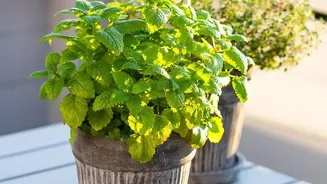
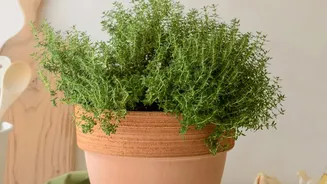
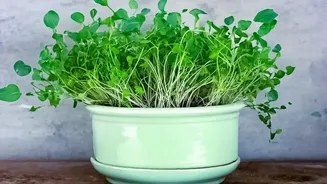
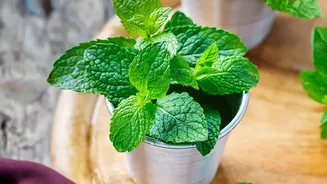
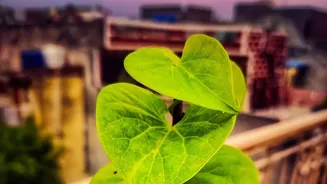
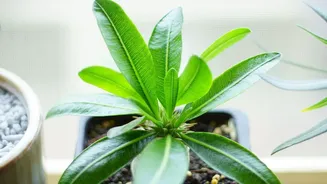
The most important decision you'll make is what to plant. Native species are best, as they are adapted to the local climate and have co-evolved with local wildlife. For attracting a variety of visitors, consider a mix of these balcony-friendly options: For Birds: Hibiscus flowers are a magnet for nectar-feeding birds like sunbirds. Sunflowers provide seeds once they mature. If you have more space, climbing plants offer shelter. For Butterflies: The curry leaf tree (Murraya koenigii) is a host plant where butterflies like the Common Mormon lay their eggs. The fast-growing Butterfly Pea climber is another favourite. Marigolds, with their bright blooms, attract a wide range of butterflies and other pollinators and are very tolerant of Indian climate conditions. * For Bees: Tulsi (Holy Basil) is beloved by bees when it flowers. The fragrance of Lavender is also a powerful attractant. Allowing herbs like mint, coriander, and fennel to flower provides another valuable food source. Planting in clusters makes the food source easier for pollinators to spot, and mixing plants that bloom at different times of the year ensures a consistent supply.
Creating a Complete Habitat
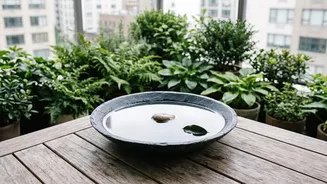
A thriving wildlife garden offers more than just food. Water is often the quickest way to bring your balcony to life, especially in India's hot summers. A simple, shallow dish of water with some pebbles or stones in it provides a safe place for birds and insects to drink and bathe without the risk of drowning. It is crucial to keep the water clean and fresh. Secondly, ditch the chemical pesticides. These sprays are indiscriminate, killing beneficial insects like bees and butterflies along with pests. Opt for natural pest control methods like neem oil sprays or simply removing pests by hand. Finally, provide shelter. Densely packed pots, evergreen plants, or even a small 'bee hotel' can offer safe nesting and resting spots, making your visitors feel secure.
The Reward: A Slice of Wild in the City
The benefits extend beyond biodiversity. Creating a space for nature has profound effects on our own well-being. It reduces stress and enhances mental health, providing a vital escape from the 'concrete jungle'. The daily joy of watching a sunbird sip nectar, seeing a butterfly emerge, or hearing the gentle hum of bees provides a powerful, grounding connection to the natural world. It transforms your home into a dynamic space filled with movement and life, helping to restore a sense of balance. It’s a small but meaningful act of rewilding, proving that even in the heart of the city, you can create a sanctuary for both wildlife and yourself.