


The Science of Hands-Off Hydration
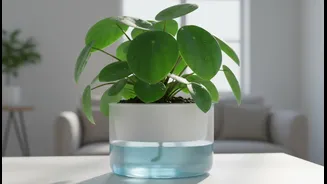
The magic behind self-watering planters is a natural process called capillary action. These containers feature a water reservoir at the bottom, separate from the soil. A wicking system, often a simple cord or a column of porous material, connects the water to the soil. As
the plant uses water and the soil begins to dry, capillary action pulls more moisture up from the reservoir, against gravity, directly to the root zone. This sub-irrigation method allows the plant to draw water as needed, ensuring it gets a consistent supply without the risk of overwatering or underwatering—two of the most common reasons houseplants perish. The system is self-regulating; on hot days a plant will draw more water, and on cooler days, it will draw less.
Finding the Right System for You
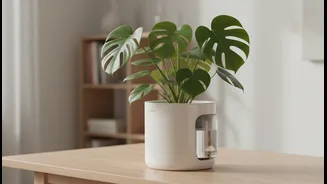
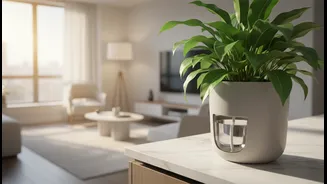
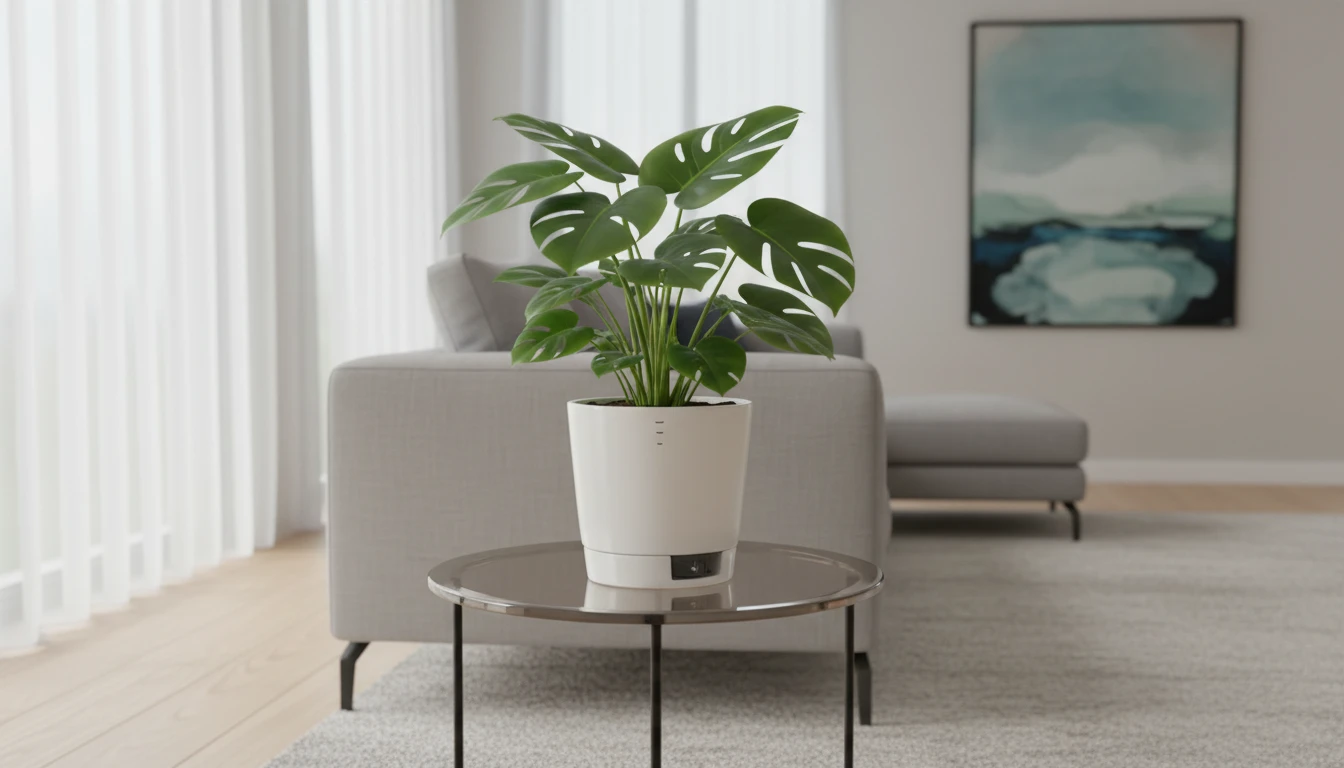
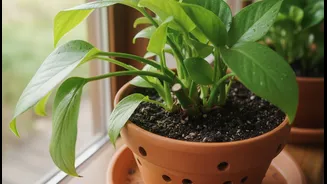
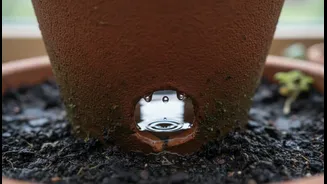
Self-watering planters come in several designs. The most common is the reservoir pot, which has a built-in chamber at the base that you fill with water. Some models have a clear window or indicator to show the water level. Another popular option is terracotta watering spikes. These porous clay cones are buried in the soil next to your plant, and you place an inverted water-filled bottle into the open end. The terracotta slowly releases water into the soil as it dries. A third method uses a wicking system, where a cotton rope or fabric strip is placed with one end in the soil and the other in a separate container of water, creating a bridge for moisture.
Clever DIY Self-Watering Tricks
You don't need to buy a special pot to reap the benefits of self-watering. A simple and effective DIY method uses a cotton string or shoelace and a jar of water. Place one end of the string a few inches deep into your plant's soil and the other end into a water-filled jar that is elevated slightly above the pot. The string will act as a wick, slowly transferring water to the soil. Another popular trick involves a simple plastic bottle. You can either poke small holes in the cap, fill the bottle with water, and insert it upside-down into the soil, or cut the bottom off the bottle and bury it neck-down to create a small reservoir you can easily refill.
Which Plants Benefit the Most?
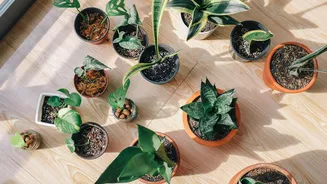
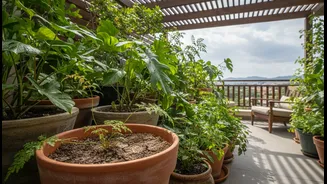
While many plants adapt well, those that thrive in consistently moist soil are the best candidates for self-watering systems. This includes many popular tropical houseplants like peace lilies, ferns, calatheas, and spider plants. Many common herbs such as basil and mint also perform exceptionally well. These plants appreciate the steady hydration, which reduces stress and encourages strong, healthy root growth. However, this method isn't ideal for all plants. Succulents, cacti, and other species that require their soil to dry out completely between waterings may be susceptible to root rot in a constantly moist environment.
Avoiding Common Pitfalls
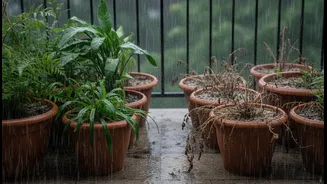
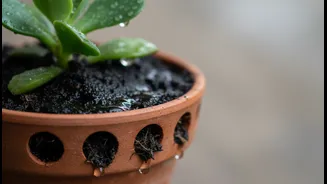
Self-watering systems are convenient, but they aren't completely foolproof. One of the main risks is creating an environment that is too wet, which can lead to root rot, especially if the soil mix is heavy and doesn't allow for good airflow. To prevent this, ensure your pot has an overflow hole to drain excess water. It's also a good practice to occasionally water the plant from the top. This helps flush out any mineral salts that can accumulate in the soil over time. Finally, remember to clean the reservoir periodically to prevent algae or mold growth.