




Start with Sunlight
Before you buy a single seed, become an observer. How much direct sunlight does your balcony get, and at what time of day? This is the single most important factor in choosing your plants. For balconies that bake in the sun for 6+ hours, you need sun-worshippers.
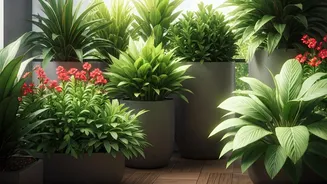
Think vibrant Bougainvillea, hardy Adenium (Desert Rose), classic Hibiscus, and cheerful Portulaca (Office Time flowers). They thrive in the heat and will reward you with constant blooms. If your balcony is shadier, receiving less than 4-5 hours of direct sun, don't despair. Opt for foliage over flowers. Money Plants, Syngonium (Arrowhead Plant), Snake Plants, and various Ferns will create a lush, cool, green vibe. Even culinary herbs like Mint (Pudina) and Holy Basil (Tulsi) can do well with partial sun.
Choose Your Champions
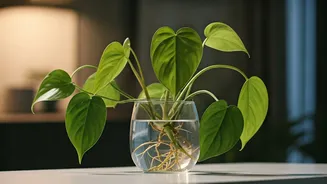
Now for the fun part: picking your plants. For a classic Indian balcony, you can’t go wrong with a mix of colour, fragrance, and utility. Marigolds (Genda) are not only beautiful and auspicious but also act as natural pest repellents. Jasmine (Mogra or Chameli) will fill your evenings with intoxicating fragrance. A Tulsi plant is a must-have in many homes, both for its spiritual significance and its medicinal properties. For low-maintenance greenery, the Money Plant is king. It’s incredibly forgiving and can be grown in soil or just water. When starting out, it’s better to begin with a few healthy, established plants from a local nursery rather than trying to grow everything from seed.
Think Vertically, Not Just Horizontally
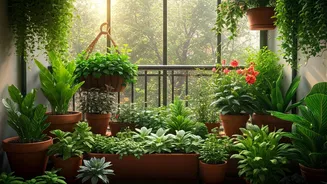
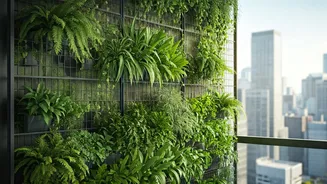
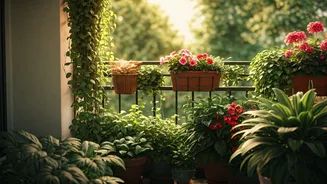
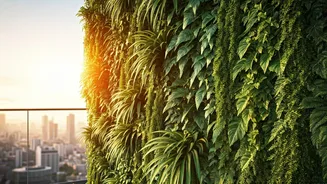
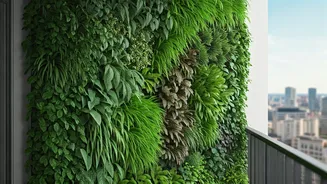
Most urban balconies are short on floor space. The solution is to go up! Vertical gardening is your best friend. Install a simple wooden or metal trellis against a wall for climbers like Bougainvillea or Money Plant to scale. You can buy tiered planters that stack pots on top of each other, maximising your growing space in a small footprint. Railing planters are another brilliant space-saver; they hook securely onto your balcony railing, creating a line of colour without taking up any floor area. Even hanging baskets can add a new dimension, drawing the eye upward and creating a sense of lush enclosure.
The Right Home for Your Plants
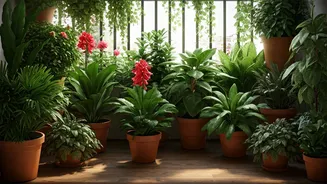
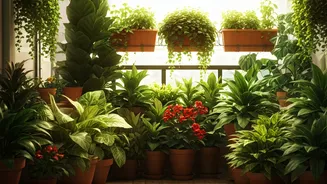
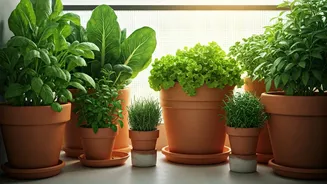
The container you choose is more than just a holder; it’s part of the aesthetic and crucial for plant health. Terracotta or clay pots are a fantastic choice for Indian climates. They are porous, which allows the roots to breathe and helps prevent waterlogging, a common cause of plant death. Just remember they also dry out faster, so you may need to water more frequently in peak summer. For a more modern look, you can use ceramic or plastic pots. Whatever you choose, ensure every single pot has drainage holes at the bottom. Without them, water will stagnate and rot the roots. A simple plate or tray underneath will catch any overflow.
Master the Basics: Water and Food
Overwatering kills more plants than underwatering. The best rule of thumb is to stick your finger about an inch into the soil. If it feels dry, it’s time to water. If it’s still moist, wait another day. Water deeply until you see it run out of the drainage hole, then let the soil dry out slightly before the next watering. Your plants also need food. You don't need complicated chemical fertilisers. A handful of vermicompost or well-rotted cow dung manure mixed into the soil every month or two is enough to keep most balcony plants happy and thriving. It’s a simple, organic way to replenish the nutrients in the pot.