



Why These Flowers Are Perfect for October
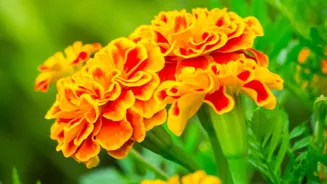
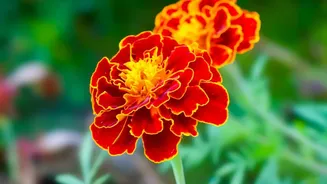
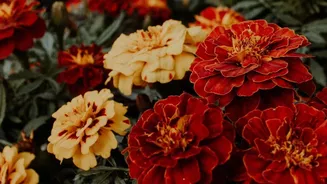
October in India marks the beginning of cooler, more pleasant weather, creating ideal growing conditions for many flowering plants. Marigolds (Genda) and Chrysanthemums (Guldaudi) are particularly well-suited for this time. Marigolds are deeply woven
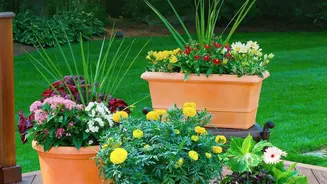
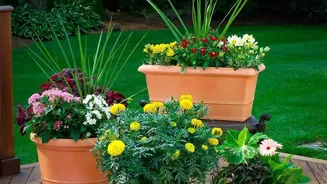
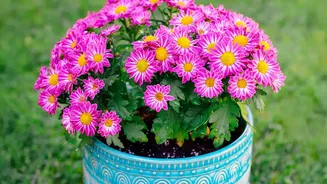
into Indian culture, especially with festivals like Dussehra and Diwali just around the corner. Their sunny yellows and oranges are symbolic of brightness and celebration. Chrysanthemums, with their vast range of colours and forms, offer a beautiful contrast and bloom profusely in the cooler temperatures that start this month. Both are relatively low-maintenance and thrive in pots, making them perfect champions for a balcony garden.
Choosing Your Plants and Pots
When you visit your local nursery, you have two choices: seeds or saplings. For a quick and easy upgrade, ready-to-plant saplings are your best bet. Look for young plants with healthy, green leaves and no signs of pests or yellowing. For marigolds, you'll find popular varieties like the large African marigolds or the smaller, bushier French marigolds. Chrysanthemums come in an even wider array of choices. When it comes to pots, drainage is non-negotiable. Ensure any container you choose has holes at the bottom to prevent waterlogging and root rot. Terracotta pots are excellent as they are porous, but plastic pots work well too if you are careful not to overwater. A pot that is 8-10 inches in diameter is a good starting size for a single plant.
Creating the Ideal Soil Mix
Both marigolds and chrysanthemums need well-draining, moderately fertile soil to flourish. Heavy, clay-like garden soil will hold too much water in a pot and can lead to problems. An easy and effective potting mix can be made by combining equal parts garden soil, compost or vermicompost, and a material that improves drainage like coarse sand or cocopeat. A good formula is roughly 40% garden soil, 30% compost, and 30% sand or cocopeat. This mix provides enough nutrients from the compost, structure from the soil, and excellent drainage, which is the most critical factor for container gardening. Avoid adding too much fertilizer initially, as excessively rich soil can lead to more leaves than flowers, especially for marigolds.
Planting for Success
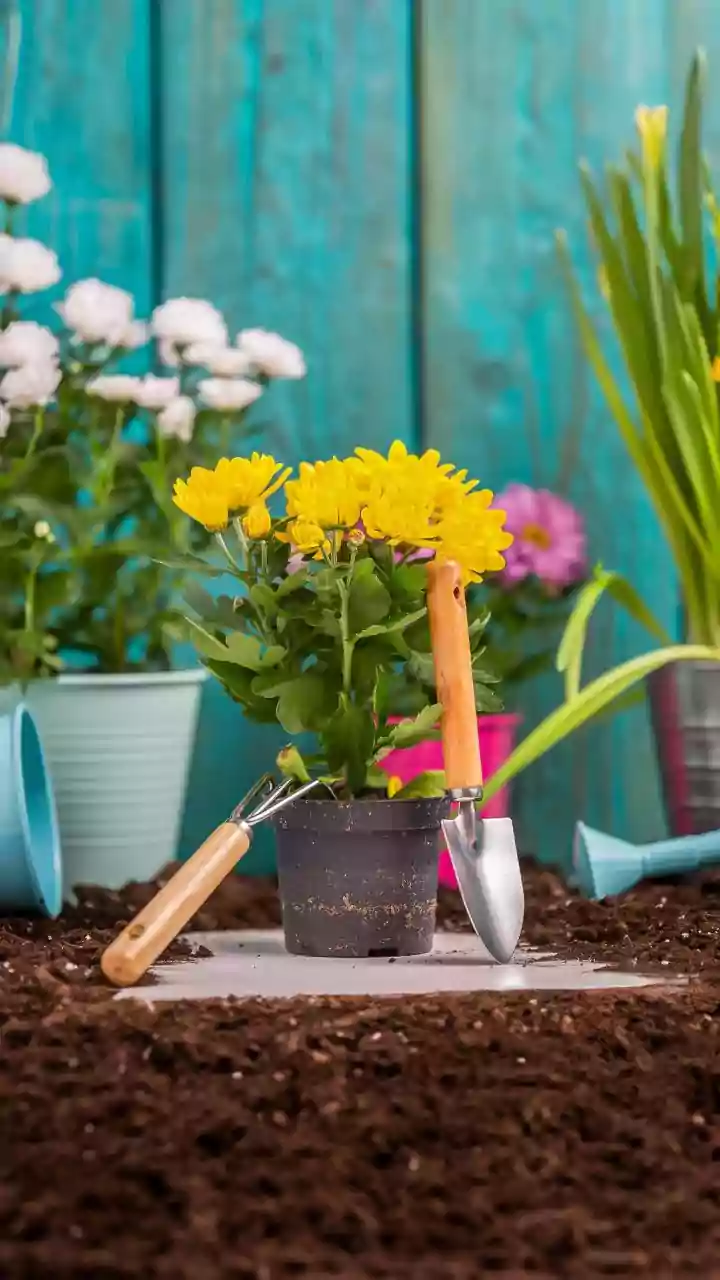
Once you have your pots and soil ready, it’s time to plant. Fill your container with the potting mix, leaving a few inches at the top. Gently remove the sapling from its nursery bag or pot, being careful not to disturb the roots too much. Place the plant in the center of the pot and fill the surrounding space with your soil mix, pressing down gently to remove air pockets. The base of the plant stem should be at the same level it was in its original container. After planting, water the pot thoroughly until you see water coming out of the drainage holes. This helps the soil settle around the roots. For the first few days, you might want to keep the pot in a spot with bright, indirect light before moving it to its final sunny location.
Sunlight, Water, and Ongoing Care
The single most important factor for getting abundant blooms is sunlight. Both marigolds and chrysanthemums are sun-loving plants that need at least 5-6 hours of direct sunlight each day. A south- or west-facing balcony is ideal. When it comes to watering, the rule is to water when the top inch of soil feels dry to the touch. Overwatering is a common mistake and can be more harmful than underwatering. Always water the soil at the base of the plant, not over the leaves and flowers, to prevent fungal diseases. To encourage more flowers, practice 'deadheading'—simply pinch or cut off any spent or wilting blooms. This tells the plant to produce more flowers instead of putting energy into making seeds.
Managing Common Pests
Balcony gardens are generally less prone to pests, but it’s good to be watchful. The most common troublemakers for these plants are aphids and spider mites. Aphids are small insects that cluster on new growth, while spider mites are tiny and thrive in hot, dry conditions, sometimes creating fine webs on the undersides of leaves. Often, a strong spray of water from a spray bottle is enough to dislodge them. For a more persistent issue, a simple spray of neem oil solution is a safe and effective organic option. Ensuring good air circulation around your plants and avoiding overhead watering can prevent many common fungal issues like powdery mildew.