






From Maximalist to Minimalist
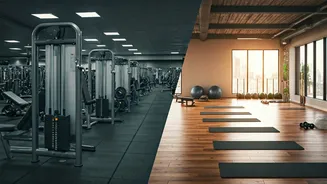
For years, the dominant image of fitness in urban India was maximalist. It was about showing up: to the high-tech gym with the latest equipment, wearing branded activewear, and performing complicated routines popularised by global celebrities. This approach,
while effective for some, created a high barrier to entry for many. The costs, the time spent commuting through traffic to a gym, and the social pressure — often called 'gym-timidation' — made consistent fitness feel like a luxury or a chore. The pandemic acted as a powerful catalyst, forcing a nationwide pause and a re-evaluation of what it truly means to be healthy. Stripped of access to gyms, people were forced to innovate, and in doing so, rediscovered a simpler truth: you don’t need much to get fit.
The Rise of Functional Fitness
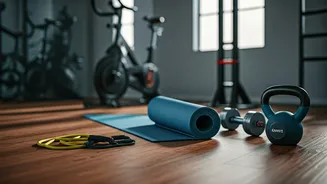
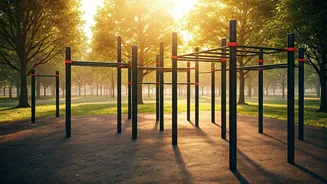
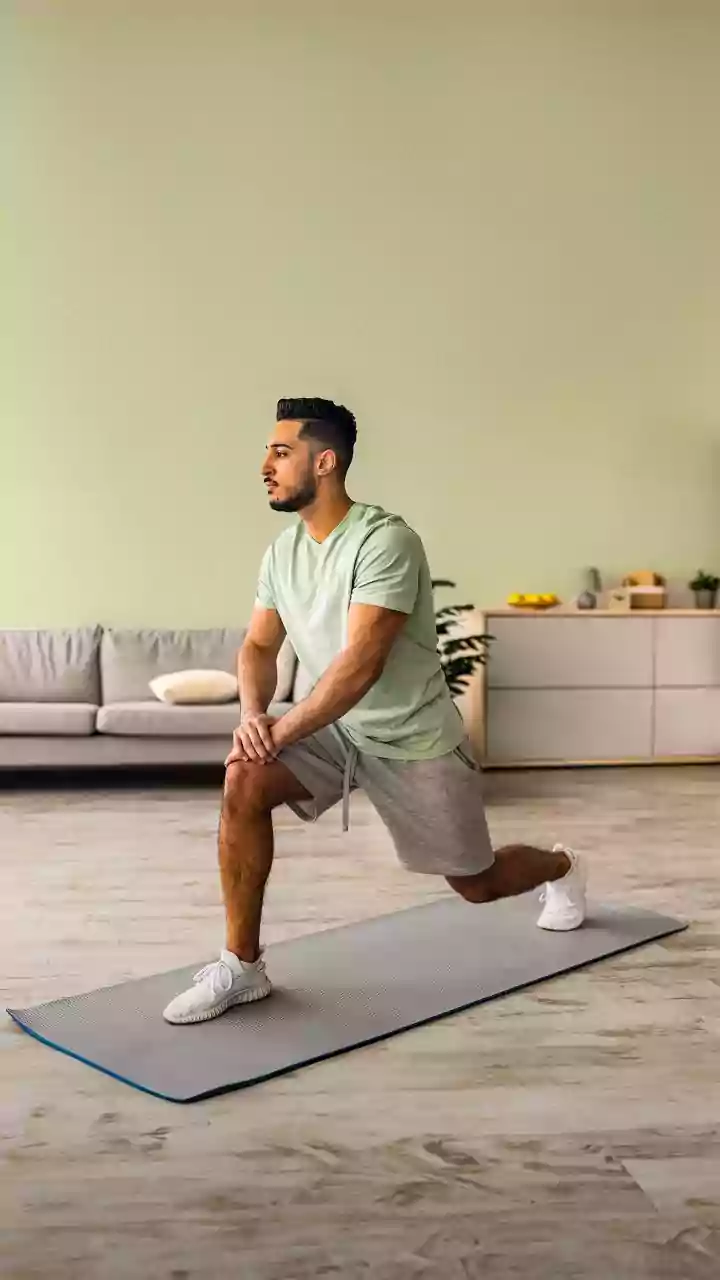
The new fitness wave is defined by minimalism and function. It prioritises movement that supports everyday life, building strength, flexibility, and endurance using little to no equipment. The star of this movement is the body itself. Calisthenics, a form of exercise using only bodyweight, has seen a massive surge in popularity. Push-ups, squats, planks, and pull-ups are becoming the new foundation. This approach resonates deeply in a culture that has ancient traditions of bodyweight training, from the rigorous Suryanamaskar in yoga to the foundational exercises practiced in traditional 'akhadas'. It's a return to fundamentals, focusing on compound movements that work multiple muscle groups simultaneously, delivering an efficient and effective workout without the need for a dozen different machines.
Digital Gurus and a Connected Community
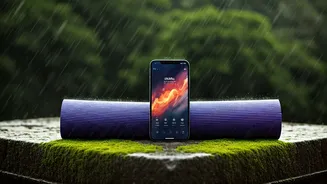
This shift would not have been possible without technology. The smartphone is now the ultimate personal trainer. A new generation of Indian fitness influencers on YouTube and Instagram have built massive followings by offering free, high-quality, follow-along workouts. They break down complex exercises, offer modifications for different fitness levels, and create a sense of community. Unlike a distant celebrity trainer, these digital gurus are often relatable figures who understand the specific constraints of Indian life, from dietary habits to space limitations in urban apartments. Alongside them, fitness apps like Cult.fit and HealthifyMe have pivoted to offer extensive libraries of on-demand classes, live sessions, and personalised coaching, effectively democratising access to expert guidance.
More Than Just Saving Money
While the financial savings of cancelling a gym membership are certainly appealing, the motivations behind the minimalist fitness trend run deeper. It is a conscious move towards sustainability. A 20-minute home workout is infinitely more likely to happen on a busy day than a two-hour gym expedition. It’s about reclaiming time from commutes and reclaiming privacy for those who feel self-conscious in a public gym. For many, especially women, working out at home provides a safe and comfortable environment. Fundamentally, this shift is about changing the 'why' of working out. The focus is moving away from purely aesthetic goals — the 'beach body' or 'wedding transformation' — towards holistic well-being. People are exercising for mental clarity, increased energy, and long-term health, goals that are better served by a consistent, enjoyable routine rather than a punishing, short-term blitz.