



Why Heat Is the Secret Ingredient
A soft, puffed-up roti is a work of science, and the magic ingredient is steam. When the rolled-out dough hits a properly heated pan, the water inside the dough turns to steam almost instantly. This rapid steam generation forces the two layers of the roti apart,
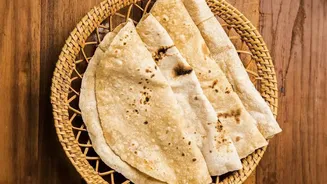
causing it to puff up like a balloon. This process cooks the roti from the inside out in a matter of seconds. If the pan is not hot enough, the cooking process is slow. Instead of creating a quick burst of steam, the low heat gradually bakes the roti, allowing moisture to escape and evaporate. This slow dehydration is what results in a flat, hard, and chewy disc, rather than a soft, pliable bread.
Gauging Your Pan's Temperature
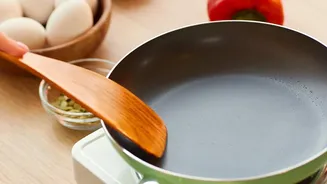
So, what is 'hot enough'? The ideal pan, or tawa, should be preheated on a medium-high flame for several minutes. There are two simple, time-tested methods to check if it's ready. The first is the water-drop test: sprinkle a few drops of water onto the tawa. If they sizzle and evaporate immediately, your tawa is ready. If they just sit there and bubble slowly, it’s too cold. If they scatter and disappear before you can even see them sizzle, it might be too hot. Another method is to carefully hover your palm a few inches above the pan's surface. You should feel a steady, strong wave of radiant heat. A cast-iron or iron tawa is often recommended as it retains heat evenly, which is crucial for cooking multiple rotis in a batch without significant temperature drops.
From Dough to Fluffy Roti
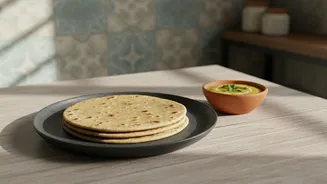
Once your tawa is hot, the process is swift. Dust off any excess flour from your rolled roti and place it on the pan. Let the first side cook for about 15 to 30 seconds, just until you see small bubbles start to form on the surface. Flip it. This first side should only be partially cooked. Let the second side cook for a bit longer, around 30 seconds, until light brown spots appear. The final step is the puff. You can remove the roti from the tawa with tongs and place it directly on an open flame for a few seconds; it should puff up immediately. Alternatively, you can flip it back onto the tawa and gently press down on the edges with a clean, folded cloth, which will also encourage it to inflate.
Beyond the Pan: Other Roti Saboteurs
While the right pan temperature is critical, other factors can also lead to hard rotis. The dough itself is paramount. It should be soft and pliable, not stiff. Using warm water to knead the dough can help create a softer texture. After kneading, it is essential to let the dough rest for at least 20-30 minutes. This resting period allows the gluten to relax and the flour to fully hydrate, making the dough more elastic and easier to roll, and ultimately resulting in a softer roti. Also, ensure you roll the roti evenly. Uneven thickness will cause it to cook irregularly, with some parts burning while others remain undercooked, preventing a proper puff.
The Final Touch: Storing for Softness
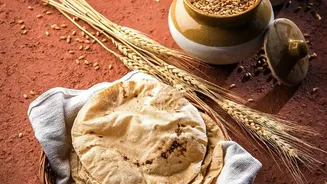
Your work isn't finished once the roti comes off the flame. To keep them soft, you need to store them properly right away. The best practice is to place the hot rotis in a casserole or container lined with a clean cotton cloth. As you add each roti, keep them covered with the cloth. This traps the residual steam, which helps maintain moisture and keeps the rotis soft and flexible for hours. Applying a light smear of ghee or butter to each fresh roti not only adds flavour but also creates a barrier that helps lock in moisture and prevent them from drying out.