





More Than Just a Tummy Ache
For decades, conversations about gut health were confined to alleviating discomfort—bloating, acidity, or irregular bowel movements. The focus was simple: fix the immediate problem. Today, that perspective seems almost quaint. The new understanding, backed
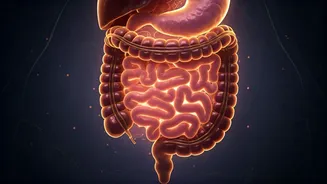
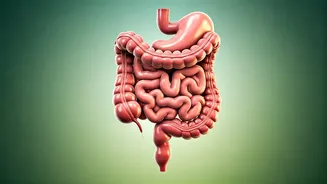
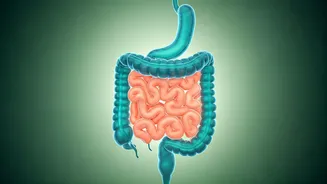
by a growing mountain of research, reframes the gut not just as a digestive tube, but as a complex and intelligent ecosystem. This ecosystem, known as the gut microbiome, is home to trillions of microorganisms, including bacteria, viruses, and fungi. We now know that the balance of these tiny residents has a profound impact on nearly every aspect of our physical and mental well-being. This shift in understanding is the primary driver behind its ascent. It’s no longer about simply feeling ‘not bad’; it’s about actively feeling your best, and the journey starts in your gut.
The Powerful Gut-Brain Connection
Perhaps the most compelling reason for gut health’s new celebrity status is the discovery of the 'gut-brain axis.' This is a bidirectional communication network linking your digestive system and your brain. Have you ever felt 'butterflies' in your stomach when nervous, or 'hangry' when you’ve skipped a meal? That’s the gut-brain axis in action. But it goes much deeper. Scientists have found that gut bacteria produce hundreds of neurochemicals that the brain uses to regulate basic physiological processes as well as mental processes like learning, memory, and mood. For instance, a significant portion of serotonin, the 'happy chemical' that plays a major role in mood regulation, is produced in the gut. This has opened up a revolutionary idea: that managing anxiety, stress, and even symptoms of depression could involve nurturing your gut microbiome. This link has transformed gut health from a purely physical concern into a holistic mental wellness strategy.
Your Immune System's Headquarters
The COVID-19 pandemic placed a massive premium on immunity, and this is another area where the gut plays a starring role. Approximately 70% of your immune system is housed in your gut. The gut lining acts as a critical barrier, deciding what gets absorbed into the bloodstream and what gets blocked out. A healthy, diverse microbiome helps to 'train' immune cells, teaching them to differentiate between friendly compounds and harmful invaders. When the gut ecosystem is out of balance (a state called 'dysbiosis'), it can lead to a weakened immune response and increased systemic inflammation, which is linked to a host of chronic diseases. As people become more proactive about their health and seek ways to bolster their natural defenses, optimising gut health has become a logical and effective first line of defense.
The Rise of Ferments and Fibre
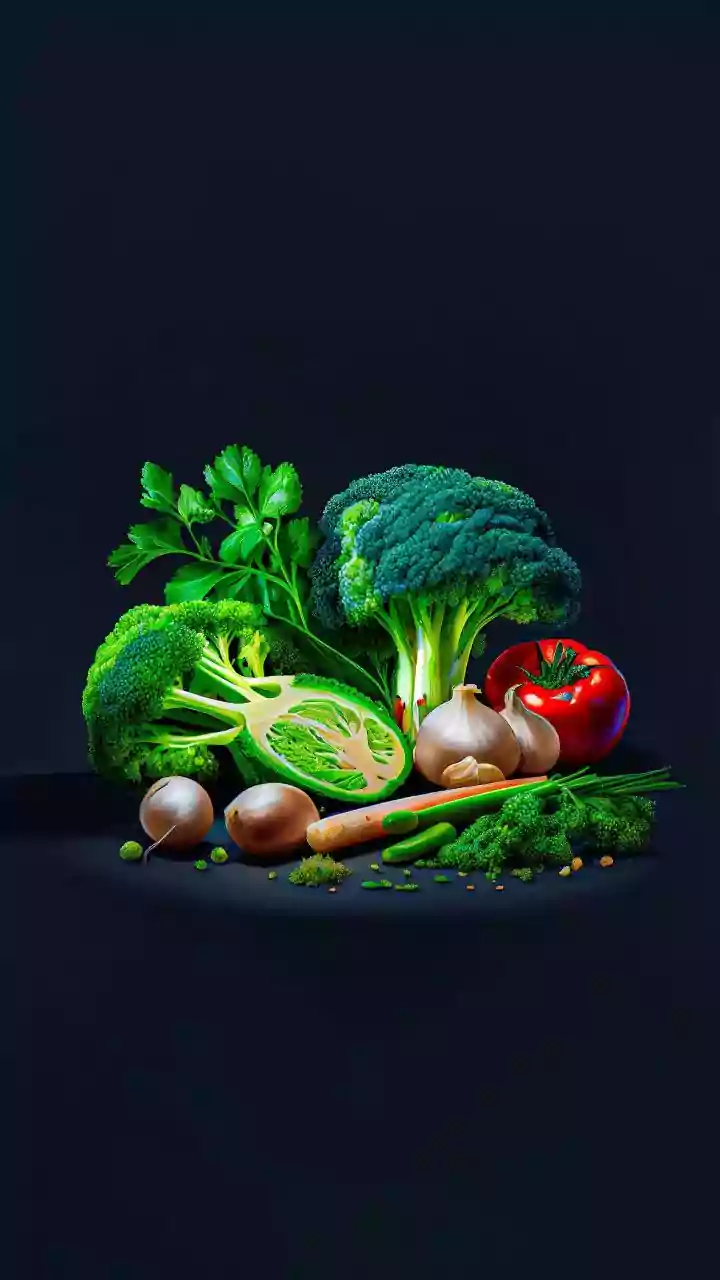
The wellness industry has been quick to respond to this surging interest. Supermarket shelves are now lined with products celebrating their gut-friendly properties. Kombucha, kefir, and artisanal dahi have become trendy staples. Traditional Indian ferments like kanji and homemade pickles are being rediscovered and appreciated for their probiotic benefits. Beyond fermented foods, there’s a renewed focus on prebiotics—the dietary fibres that feed the good bacteria in your gut. This has elevated humble ingredients like bananas, onions, garlic, and whole grains. The supplement market has also exploded, with a dizzying array of probiotic capsules and powders promising everything from better digestion to clearer skin. This commercialisation has made gut health accessible and easy to engage with, even for a casual wellness enthusiast.
Navigating the Hype with Science
While the excitement is warranted, it’s important to approach gut health with a balanced perspective. The science of the microbiome is still a relatively young and evolving field. While the connection between gut diversity and overall health is well-established, many of the specific claims made by supplement companies are not yet backed by robust, long-term human studies. Experts generally agree that for most people, the best approach isn’t to chase expensive pills but to focus on dietary diversity. Eating a wide variety of plant-based foods—fruits, vegetables, legumes, and whole grains—is the most reliable way to cultivate a thriving and resilient gut microbiome. Instead of fixating on a single 'superfood,' aim for a colourful and fibre-rich plate that naturally supports the ecosystem within.