




Tired of a fridge door crowded with half-used, expensive sauce bottles? There’s a powerful, cost-effective alternative hiding in plain sight: gunpowder podi. This homemade spice blend is your secret weapon for instant, explosive flavour.
What Exactly Is Gunpowder Podi?
Known as 'milagai
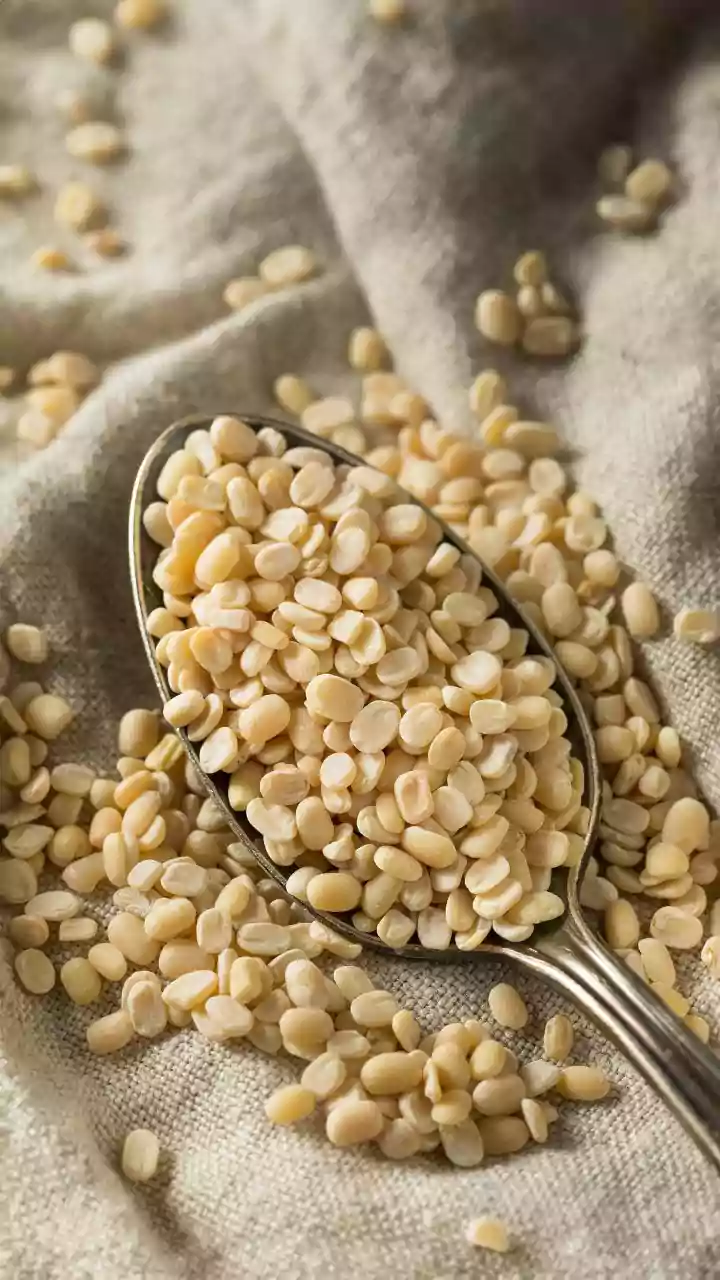
podi' in Tamil, gunpowder is a coarse, dry spice powder that is a staple in many South Indian households. Its dramatic English nickname comes from the explosive burst of flavour it delivers. Despite the name, there are no actual explosives involved—just a potent and aromatic mix of roasted lentils (like chana dal and urad dal), dried red chillies, sesame seeds, and other spices like asafoetida and curry leaves. The result is a condiment that is nutty, smoky, savoury, and spicy all at once. Unlike masalas that are cooked into a dish, podi is typically used as a finishing spice or condiment, making it incredibly versatile.
Why You Should Make It at Home
While you can buy podi, making it at home is a game-changer. Commercially produced powders can sometimes be too mild or have a dusty texture, losing their vibrancy on the shelf. When you make it yourself, you control everything. You can adjust the heat by choosing your preferred type and quantity of red chillies, from milder Kashmiri to fiery Guntur varieties. You also control the salt and the quality of the lentils. The aroma of freshly roasted dals and spices is intoxicating and guarantees a far superior flavour to anything that has been sitting in a package. Most importantly, it’s incredibly economical. The base ingredients are inexpensive pantry staples that yield a large batch of flavouring for a fraction of the cost of a single bottle of artisanal sauce.
The Simple Steps to Flavour Freedom
Making gunpowder podi is a straightforward process of dry-roasting and grinding. While recipes vary from family to family, the basic method is consistent. You’ll need a heavy-bottomed pan to separately toast your ingredients—typically urad dal, chana dal, dried red chillies, and sesame seeds—over a low to medium heat until they become golden and aromatic. Roasting each ingredient separately ensures they cook evenly without burning. Some recipes also call for curry leaves, peppercorns, or even a little desiccated coconut. Once all the components are toasted and have cooled down completely to prevent condensation, you simply grind them in a blender or spice grinder with salt and a pinch of asafoetida. Aim for a coarse powder, not a super-fine dust; the texture is part of its charm. Stored in an airtight container, your homemade podi will stay fresh for weeks.
How to Use It On (Almost) Everything
The classic way to enjoy podi is mixed with warm ghee or sesame oil to form a paste, which is then used as a dip for idli and dosa. But its use as a sauce alternative is where it truly shines. Sprinkle it over avocado toast, fried or boiled eggs, or even popcorn for an instant upgrade. Toss it with hot, ghee-coated rice for a quick and satisfying meal. It can be stirred into yoghurt to create a flavourful dip for vegetables or kebabs, or used as a dry rub for paneer and chicken. Instead of reaching for a generic stir-fry sauce, try tossing your roasted vegetables with a generous spoonful of podi just before serving. You can even mix it into sandwich fillings, paratha stuffing, or sprinkle it over pasta for a unique Indian-Italian fusion.