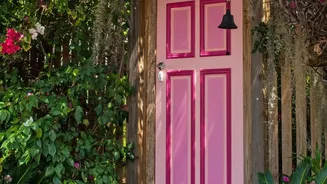



Imagine a cascade of vibrant colour tumbling over a wall or fence, turning a plain surface into a living masterpiece. This stunning effect is achievable in Indian gardens with one of the most resilient and rewarding tropical plants: the Bougainvillea.
Why Bougainvillea is the Perfect Canvas
Few plants capture the essence of a tropical garden like Bougainvillea, known locally as Buganvilla. It is exceptionally well-suited to the Indian climate, thriving in the intense heat and sun that can challenge other flowering plants. Bougainvilleas are vigorous, woody vines that can grow from one to twelve metres tall, making them ideal for covering large vertical spaces. Their real 'flowers' are tiny and white, but they are surrounded by colourful modified leaves called bracts, which provide the spectacular display of pink, magenta, purple, red, orange, or white. Their hardy nature, drought tolerance once established, and prolific blooming make them a favourite for creating living screens, decorating balconies, and adding a splash of Mediterranean feel to any home.
Choosing the Right Variety for Climbing
While most bougainvilleas can climb, some varieties are more vigorous and better suited for covering large areas. 'Barbara Karst' is a classic, robust choice with brilliant red to magenta bracts that is great for covering patios and arbors. For a rich purple, 'Purple Queen' makes a striking statement on fences. If you're looking for something different, 'White Madonna' offers elegant white bracts, while 'Gold Rush' brings a warm, golden glow. Vigorous climbers like 'Camarillo Fiesta' are perfect for achieving fast, dense coverage. For smaller spaces or a fuller look, more compact or bushy varieties can also be trained effectively. It's important to note that bougainvilleas are thorny, so always wear protective gloves when handling them.
Planting for Success
The key to a thriving bougainvillea is sun—and lots of it. Choose a location that receives at least six to eight hours of direct sunlight daily, as this is crucial for abundant flowering. A south-facing wall is often ideal. The soil should be well-draining; bougainvillea hates having 'wet feet' and is prone to root rot in soggy conditions. A mix of garden soil, sand, and compost can provide the perfect medium. Interestingly, bougainvillea roots are sensitive and dislike being disturbed. Many expert growers recommend leaving the plant in its nursery pot, simply making a few slits in the sides and bottom before planting it in the ground or a larger container. This allows the roots to grow out while minimising transplant shock.
Training Your Vine on a Wall or Fence
Bougainvillea doesn't climb on its own; it's a 'scrambler' that needs support and guidance. To train it against a wall, you must provide a structure for it to cling to, such as a sturdy trellis, wire panels, or a grid of nails and garden wire. Place this support structure an inch or two away from the wall to allow for air circulation. As the plant grows, identify three to six strong main stems to act as the permanent framework. Instead of guiding them straight up, train these stems horizontally or diagonally across the support. This encourages the growth of lateral shoots, which is where most of the flowers will appear. Use soft ties like garden twine or fabric strips to loosely secure the growing stems to the support, ensuring you don't tie them too tightly, which could choke the plant as it thickens.
Essential Care for Abundant Blooms
The secret to a flower_covered bougainvillea is a little bit of stress. They bloom best when the soil is allowed to dry out between waterings. During hot weather, water deeply but infrequently. Reduce watering during cooler, drier months to encourage a rest period, which often leads to more prolific blooming in the spring. When it comes to fertilizer, avoid high_nitrogen feeds, which will produce lush green leaves but few flowers. Instead, use a balanced fertilizer (like a 10_10_10 ratio) or a bloom_booster formula that is higher in phosphorus and potassium. Fertilize every 4_6 weeks during the growing season. Aggressive pruning is also your friend. Cut the plant back significantly in late winter (around February) to encourage bushy new growth and more flowering branches.
Troubleshooting Common Problems
One of the most common complaints from bougainvillea owners is a lack of flowers. This is almost always due to insufficient sunlight. If your plant isn't blooming, the first step is to ensure it's getting at least six hours of direct sun. The second most common cause is overwatering or too much nitrogen fertilizer. As for pests, bougainvillea is relatively resilient but can occasionally be affected by aphids, mealybugs, and spider mites. These can often be controlled with simple insecticidal soaps or by encouraging natural predators like ladybugs. Fungal or bacterial leaf spots can occur in very humid conditions; this can be managed by ensuring good air circulation through proper pruning and avoiding overhead watering.