
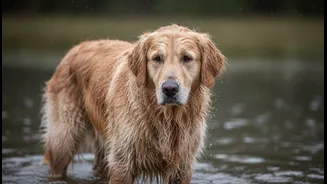


The Undercoat: A Moisture Trap
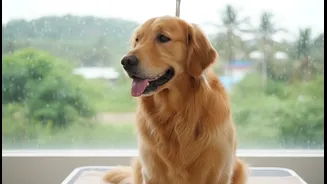
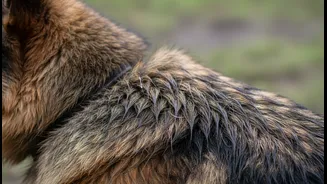
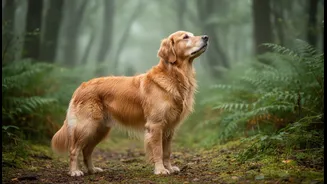
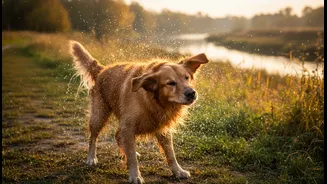
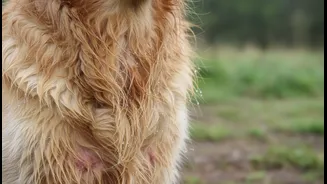
Many popular breeds in India, like Golden Retrievers, German Shepherds, and Huskies, have a double coat: a tough, water-resistant outer layer and a soft, dense undercoat for insulation. While the outer coat sheds water, the thick undercoat can absorb
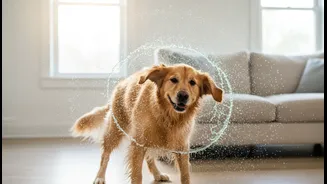
and trap it for hours, especially in the high humidity of the monsoon. This trapped moisture creates a warm, dark, and damp microclimate right against your dog's skin—the perfect breeding ground for bacteria and fungi. During the rainy season, when ambient humidity can exceed 80%, a dog's coat simply doesn't air-dry effectively between walks.
From Damp Fur to Painful Infections
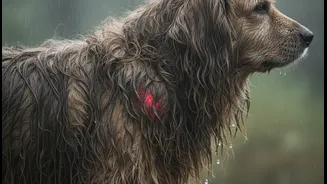
A perpetually damp undercoat is the root cause of many common monsoon-related ailments that send owners to the vet. Fungal infections, like ringworm, and yeast infections thrive in these conditions, leading to itchy, flaky skin, hair loss, and a musty odour. Another serious risk is acute moist dermatitis, commonly known as 'hot spots'. These are painful, red, and oozing lesions that can appear suddenly and spread rapidly on damp skin, often triggered by a dog's own scratching and licking. Without addressing the underlying dampness, these conditions often recur throughout the season.
Why a Towel Is Never Enough
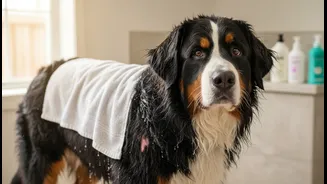
After a wet walk, a vigorous towel-dry might seem sufficient. The surface fur may feel dry, but for double-coated breeds, this is often an illusion. A towel primarily removes excess water from the outer coat but struggles to penetrate the dense undercoat to wick away the moisture trapped against the skin. Rubbing aggressively can also create tangles and matting, which further restricts airflow and traps even more dampness. Relying on a towel alone leaves the most critical layer—the one touching the skin—vulnerable to the problems that cause the most discomfort.
Achieving True Undercoat Dryness
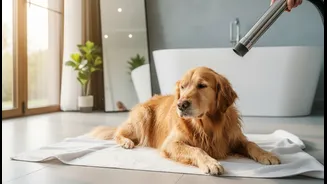
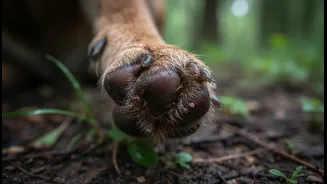
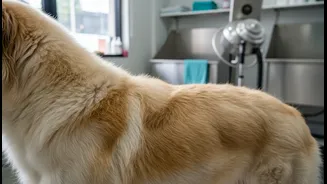
The gold standard for monsoon care is ensuring the undercoat is bone-dry after every single exposure to rain. First, use a highly absorbent microfibre towel to pat and squeeze out as much water as possible. Then, use a pet-specific hair dryer or a high-velocity blower on a cool or low-heat setting. It's the airflow, not the heat, that is most effective and safest for drying the undercoat. Work in sections, brushing the fur against the grain as you dry to lift the coat and allow air to reach the skin. Pay special attention to the belly, armpits, paws, and ears, as these areas are notorious for trapping moisture.
A Holistic Monsoon Care Routine
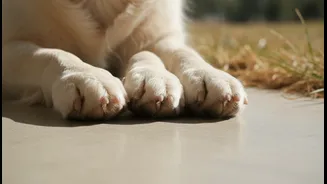
While undercoat dryness is the cornerstone, a complete monsoon care strategy provides total protection. Ensure your dog’s paws are cleaned and dried thoroughly after every walk, trimming the hair between the pads to improve airflow. Regular brushing removes loose fur and prevents matting, which helps the coat dry faster. Be vigilant about parasites like ticks and fleas, which multiply rapidly in humid weather and can cause skin irritation that leads to secondary infections. Finally, never let your dog drink from puddles or stagnant water, which can carry dangerous waterborne diseases like leptospirosis.