


Beyond the Garba Ground
For years, the image of Navratri, especially in urban India, has been dominated by Gujarat's spectacular Garba and Dandiya Raas. While these energetic community dances remain the heartbeat of the festival for many, Navratri 2026 is highlighting a significant
cultural shift. Indians are increasingly looking past the mainstream to explore and revive the hyper-local, regional traditions that make the nine nights unique across the subcontinent. This isn't just about religious observance; it's a conscious lifestyle choice. It's about connecting with heritage, fostering community in new ways, and celebrating the sheer diversity of Indian culture. From the quiet, artistic displays in the South to the theatrical epics of the North, the festival is becoming a nationwide showcase of regional pride.
The Southern Spectacle: Golu's Grand Revival
In states like Tamil Nadu, Karnataka, and Andhra Pradesh, Navratri finds one of its most artistic expressions in the tradition of Golu (or Bommai Kolu). This involves arranging intricate dolls and figurines on an odd-numbered flight of steps, known as a 'padi'. These displays are not just static decorations; they are vibrant narratives depicting mythological tales, scenes from daily village life, and stories of saints. What was once a tradition largely kept within homes is now a major social event. Families host open houses for friends and neighbours to view the Golu, share stories, and enjoy a special savoury snack called sundal. In cities like Chennai and Bengaluru, community halls and cultural groups are also hosting large-scale Golu displays, turning it into a shared, public celebration of art and storytelling.
Bengal's Heartbeat: The Culture of Pujo
While Durga Puja in West Bengal is a distinct festival, its five main days overlap with Navratri, and its cultural influence is spreading. For many outside Bengal, the 'Pujo' experience has become an essential part of the festive calendar. It’s about more than just the religious rituals; it's about 'pandal hopping' to admire the magnificent, theme-based temporary structures housing idols of the goddess. These pandals are veritable art installations, and the experience is complemented by cultural programs, traditional Dhunuchi dance performances, and an unparalleled trail of festive food. This cultural immersion, recognised by UNESCO, is now celebrated with fervor in cities like Mumbai, Delhi, and Bengaluru, adding another rich layer to the season's festivities.
A Taste of Tradition: Flavours of the Fast
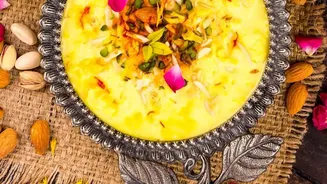
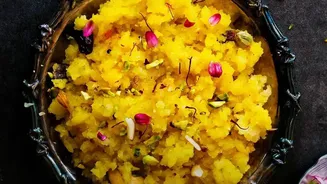
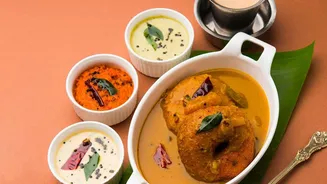
The culinary landscape of Navratri is also getting a regional makeover. Fasting, or 'vrat', is a key component of the festival for many, but the menu is expanding far beyond the usual suspects. While staples like sabudana khichdi and kuttu ki puri remain popular, home cooks and restaurants are exploring a wider array of vrat-compliant dishes. You'll now find menus featuring Maharashtrian sweet potato chaat, North Indian arbi preparations, and cooling lauki (bottle gourd) dishes that are both light and flavourful. The focus is on using permitted ingredients like rock salt (sendha namak), water chestnut flour (singhare ka atta), and barnyard millet (samak rice) in creative ways that reflect regional tastes, making the nine-day fast a journey of culinary discovery.
The Timeless Tale of Ramlila
In North India, the nine nights of Navratri build up to Dussehra, which celebrates Lord Rama's victory over Ravana. The story is brought to life through Ramlila, a traditional theatrical performance of the Ramayana. While large-scale Ramlilas have always been a staple in places like Delhi and Varanasi, there's a renewed appreciation for them as immersive cultural events. The most famous of these, the Ramlila of Ramnagar, spans 31 days and transforms the entire town into a sprawling stage, a tradition recognized by UNESCO. For audiences today, attending a Ramlila is an opportunity to connect with an ancient storytelling tradition that combines devotion, drama, and community participation, rounding out the diverse tapestry of Navratri celebrations.