
Tired of that mid-morning slump? The key to lasting energy often lies in your first meal. Instead of reaching for sugary cereals, explore five traditional Indian breakfasts that dietitians approve of for a powerful and productive start to your day.
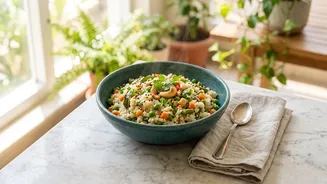
1. Poha
A staple
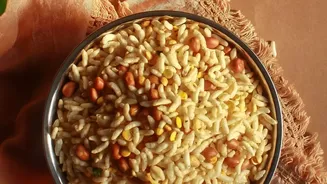
in many Indian households, poha (flattened rice) is a fantastic source of healthy carbohydrates and iron. It’s light on the stomach and provides a steady release of energy, unlike refined grains that can cause a crash. The beauty of poha lies in its versatility. Loading it with chopped vegetables like onions, peas, and carrots increases its fibre content, while a garnish of roasted peanuts adds a welcome crunch and a dose of protein. A squeeze of lemon juice not only brightens the flavour but also helps your body better absorb the iron from the flattened rice. This combination of complex carbs, fibre, and moderate protein makes poha a well-rounded meal that prevents hunger pangs and keeps you focused.
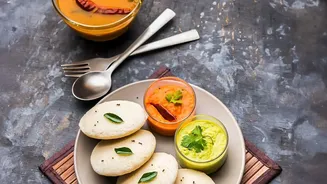
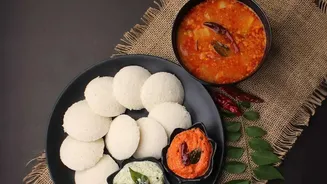
2. Idli with Sambar
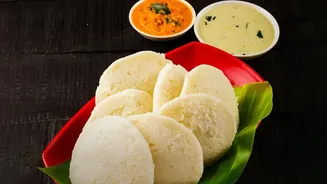
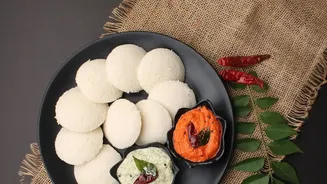
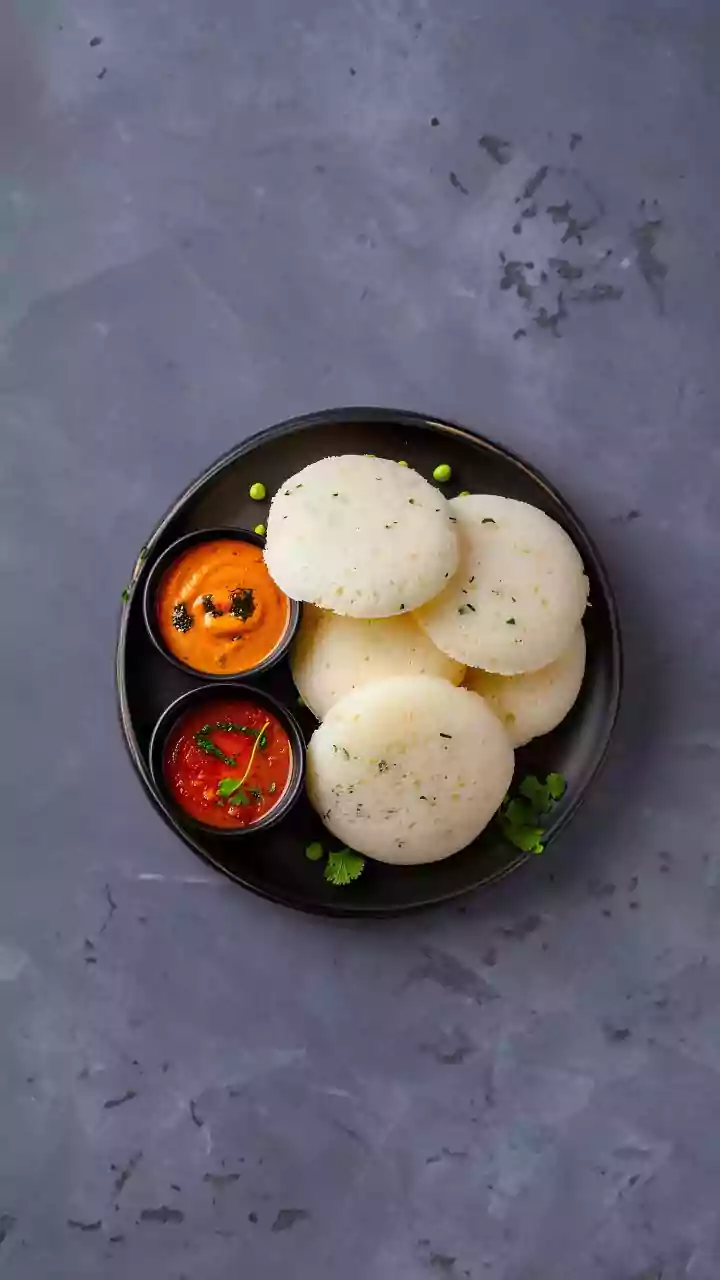
This classic South Indian combination is celebrated for being both delicious and incredibly nutritious. Idlis are steamed cakes made from a fermented batter of rice and urad dal (black lentils). The fermentation process makes them easy to digest and enhances the bioavailability of proteins and B vitamins. Since they are steamed and not fried, idlis are naturally low in fat and calories. When paired with sambar, a hearty stew made from lentils and a variety of vegetables, the meal becomes a powerhouse of nutrients. The sambar provides a significant amount of plant-based protein and dietary fibre, which promote satiety and help regulate blood sugar. This balanced mix of carbohydrates and protein provides sustained energy without feeling heavy.
3. Moong Dal Cheela
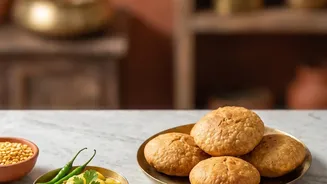
Moong dal cheela, a savoury pancake made from split green gram, is a breakfast champion when it comes to protein and fibre. Moong dal is known for being light and easy to digest, yet incredibly filling. A breakfast high in protein like this helps in muscle repair and keeps you feeling full for hours, effectively curbing mid-morning snack cravings. The high fibre content aids in slow digestion and promotes a gradual release of energy, preventing the sudden spikes and drops in blood sugar that can lead to fatigue. You can enhance its nutritional profile by adding finely chopped vegetables like spinach or grated carrots to the batter, or by stuffing the cooked cheela with crumbled paneer for an extra protein boost.
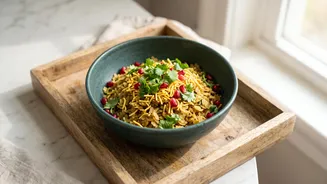
4. Vegetable Upma
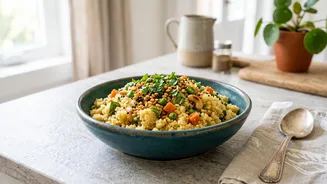
Often misunderstood, upma, when prepared correctly, is a wonderfully nutritious breakfast. Made from semolina (suji or rava), it’s a good source of protein, iron, and essential B vitamins. The key is to make it a 'vegetable upma'. By incorporating a generous amount of vegetables like peas, carrots, beans, and capsicum, you significantly increase its fibre, vitamin, and mineral content. This fibre, combined with the complex carbohydrates from the semolina, ensures a slow and steady release of energy that fuels you through the morning. Unlike sugary breakfast options, upma digests slowly, which helps maintain satiety and prevents overeating later in the day.
5. Besan Cheela
Similar to its moong dal counterpart, besan cheela is made from gram flour (besan) and is another excellent highprotein, highfibre breakfast choice. Besan is naturally glutenfree and packed with nutrients. A couple of these savoury pancakes can provide a substantial amount of protein, helping to keep your energy levels stable and your appetite in check until lunchtime. You can make the batter more nutritious by adding ingredients like chopped onions, tomatoes, coriander, and spinach. For an even more filling and proteinrich meal, a stuffing of grated paneer turns this simple cheela into a complete and satisfying breakfast that supports both energy and muscle maintenance.