

Beyond the Steel Tiffin
For generations, the vertically stacked, stainless steel tiffin has been an icon of the Indian meal-on-the-go. It’s a workhorse, built to carry hearty, often gravy-based meals like dal, sabzi, and rice from home kitchens to offices and schools. Its design
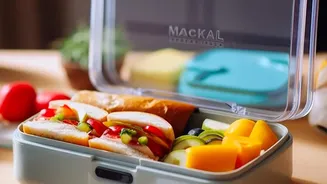
is a testament to functional durability, keeping foods separate and warm. Yet, a cultural shift is underway. Influenced by global trends and a desire for more organised, visually appealing meals, many are now turning to the Japanese bento box. Unlike the tiffin's vertical stacking, the bento is a single, flat container with multiple compartments side-by-side. This fundamental design difference opens up a new philosophy of meal packing—one focused on variety, portion control, and aesthetic harmony.
The Art of Compartmentalisation
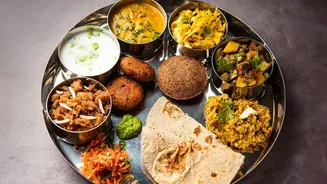
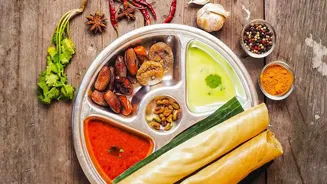
The magic of the bento box lies in its compartments. For Indian cuisine, which often features a delightful mix of wet and dry dishes, this is a game-changer. One of the primary reasons for its growing popularity is the ability to keep different flavours and textures distinct. A creamy paneer curry doesn’t seep into the fluffy jeera rice, a crisp salad remains untouched by a tangy pickle, and a rolled roti stays perfectly dry. This separation prevents the dreaded sogginess that can sometimes plague single-container lunches and allows each component of the meal to be enjoyed as intended. It’s a simple solution that perfectly accommodates the complexity and variety of a typical Indian thali, just in a portable format.
A Canvas for Indian Cuisine
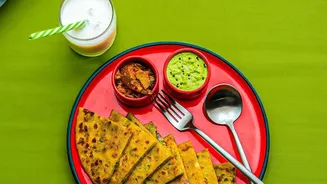
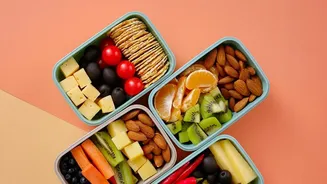
The bento format has proven to be an incredibly versatile canvas for Indian food. The possibilities are endless and go far beyond just rice and curry. A modern 'desi bento' might feature succulent paneer tikka skewers in one section, a vibrant quinoa pulao in another, and a cooling cucumber raita in a small, sealed compartment. Other popular ideas include mini aloo parathas with a side of yogurt and pickle, or even playful 'roti sushi'—tightly rolled flatbreads with a filling of paneer bhurji or spiced potatoes, sliced into bite-sized pieces. Snacks, which are integral to Indian eating habits, also find a perfect home here. Sections can be filled with roasted makhana, masala peanuts, dhokla, or fresh fruit, creating a complete and balanced meal.
Driven by Health and Aesthetics
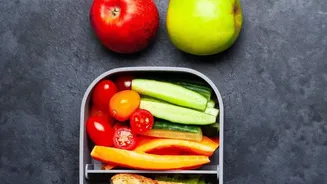
This trend isn’t just about convenience; it’s deeply connected to modern lifestyle aspirations. The bento box’s compartments naturally encourage portion control, helping people eat more mindfully. As wellness and nutrition become bigger priorities, the ability to pack a visually balanced meal with distinct portions for carbs, protein, and vegetables is a major draw. Furthermore, in the age of social media, the aesthetic appeal of food is undeniable. A beautifully arranged bento box, with its colourful assortment of foods, is highly 'Instagrammable'. This visual element has inspired many to get more creative with their lunch packing, turning a daily chore into an act of artistry and care.
From School Lunches to Office Meals
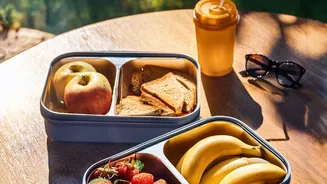
The desi bento is finding fans across all age groups. For parents of picky eaters, it’s a powerful tool. A colourful and fun arrangement of food, with small portions of different items, can entice children to try new things and ensure they get a more balanced diet. Many modern bento boxes for kids are also leak-proof and made from BPA-free materials, addressing key parental concerns about mess and safety. For working professionals, the bento offers a sophisticated and practical alternative to bulky tiffins or unhealthy takeout. It’s easy to carry, mess-free, and provides a satisfying, home-cooked meal that feels both wholesome and a little special.