




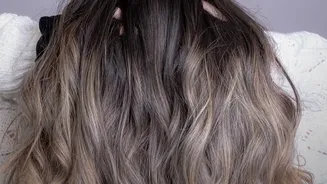
Anyone with color-treated hair knows the struggle: what was once vibrant and glossy can quickly become dry, brittle, and dull. The secret to reclaiming that silky-soft texture isn't just about using conditioner, but where you apply it.
Why Color-Treated Hair Is So Thirsty
To understand why
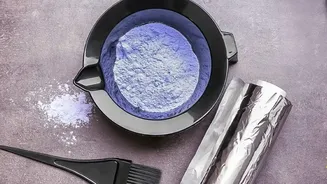
colored hair often feels like straw, you need to know what happens during the dyeing process. Permanent hair color uses chemicals like ammonia and peroxide to work its magic. First, an alkaline agent like ammonia lifts the hair's protective outer layer, called the cuticle, which is made of overlapping scales. This allows the peroxide to penetrate into the hair's cortex, where it lightens your natural pigment and helps the new color molecules develop. While effective, this process leaves the cuticle permanently raised and more porous. A porous, lifted cuticle can no longer effectively seal in moisture, leading to the dryness, frizz, and brittleness commonly associated with colored hair.
The Anatomy of a Hair Strand
Not all parts of your hair are created equal. The hair at your roots is the newest and healthiest, benefiting from the natural oils (sebum) produced by your scalp. These oils provide a natural conditioning effect. However, the mid-lengths and ends of your hair are much older and have been exposed to more wear and tear from washing, heat styling, and environmental factors. By the time hair reaches your shoulders, it can be several years old. This older hair has a more weathered cuticle, is naturally more porous, and receives little to no benefit from the scalp's natural oils, making it the driest and most damage-prone part of the strand.
The Logic of Targeted Conditioning
Applying conditioner all over, especially at the roots, is a common mistake. Since your scalp produces its own oils, adding heavy conditioner there can weigh hair down, making it look flat or greasy. The hair that truly needs the intensive moisture and repair from your conditioner is the part that doesn't get any natural hydration: the mid-lengths and ends. By focusing your application on these areas, you deliver moisture precisely where it's needed most without causing buildup at the scalp. This targeted approach helps to smooth the roughed-up cuticles on the older parts of the hair, lock in moisture, reduce friction, and restore a soft, manageable feel.
Your Step-by-Step Conditioning Guide
For the best results, start by washing your hair with a gentle, sulfate-free shampoo designed for color-treated hair. After rinsing, gently squeeze the excess water out of your hair; applying conditioner to sopping wet hair dilutes the product and makes it less effective. Dispense a small amount of conditioner into your palm and begin applying it from about ear-level down to the ends. Pay extra attention to the very ends, as they are the oldest and most susceptible to damage. Use your fingers or a wide-tooth comb to distribute the product evenly. Let it sit for at least one to three minutes to allow the ingredients to penetrate the hair shaft before rinsing thoroughly with lukewarm water. A final cool rinse can help seal the cuticle for extra shine.
Choosing the Right Formula
Not all conditioners are created equal. For color-treated hair, look for formulas that are specifically designed to be nourishing and protective. Key ingredients to seek out include hydrating agents like aloe vera and glycerin; strengthening ingredients like plant-based proteins or keratin; and natural oils such as argan or jojoba to add moisture and shine. Conditioners with a low pH can also help keep the hair cuticle sealed, which protects against color fade. Many products for colored hair also contain antioxidants and UV filters to protect against environmental factors that can cause color to dull.
Boost Softness with Deeper Treatments
While daily conditioning is essential, color-treated hair often benefits from more intensive care. Incorporate a deep conditioning mask into your routine once a week. These treatments have richer formulas that penetrate more deeply to repair damage and provide a significant moisture boost. Apply the mask to clean, damp hair, focusing on the mid-lengths and ends, and leave it on for the recommended time—often 10 to 20 minutes—before rinsing. For an extra layer of protection and softness, a leave-in conditioner can be spritzed onto towel-dried hair to help with detangling and shield it from heat styling.