




The End of an Era for the ISS
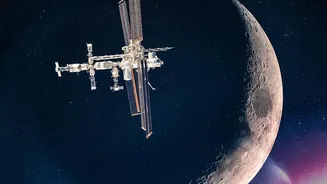
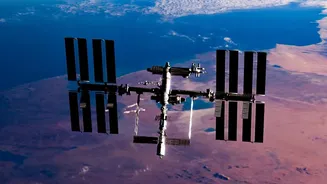
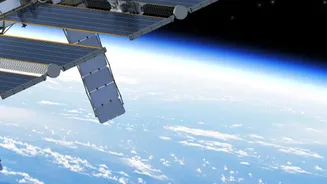
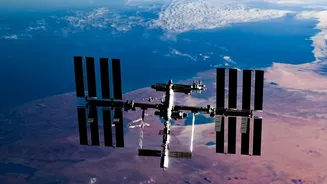
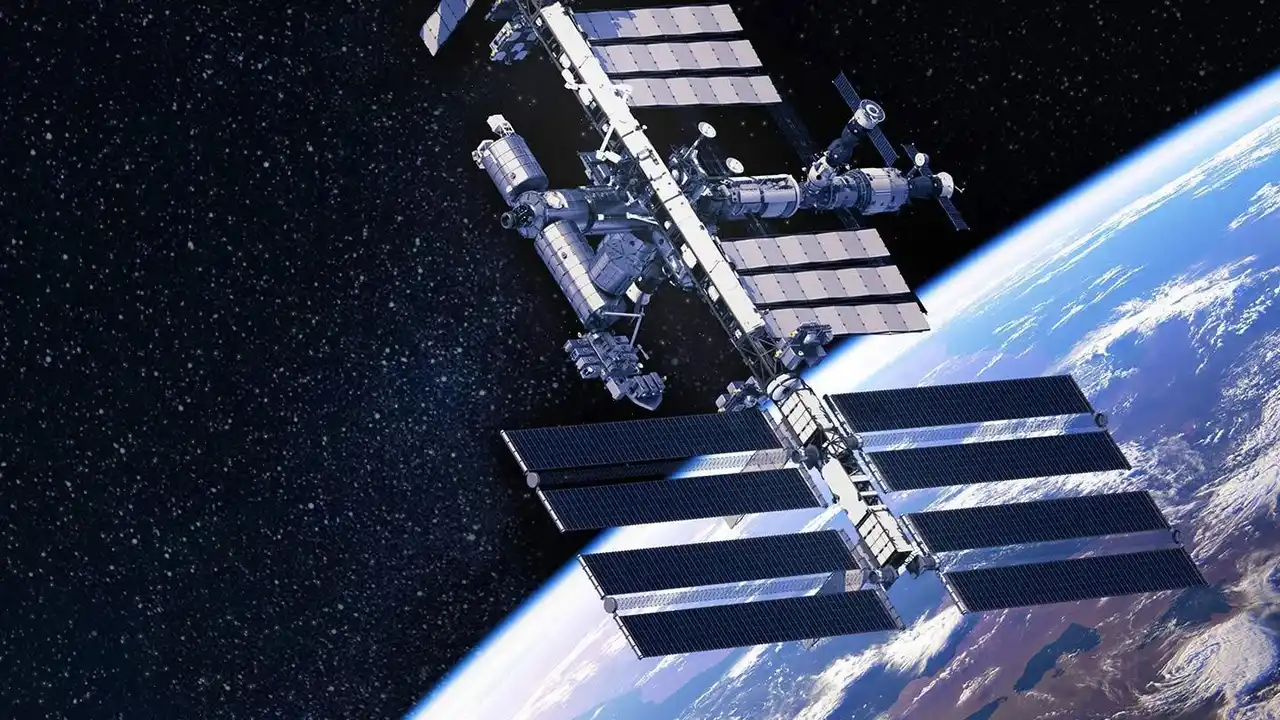
Since November 2000, the International Space Station has hosted a continuous human presence, serving as a premier laboratory for science and discovery. However, the station, a collaboration of five space agencies, is showing its age. Originally designed
for a shorter lifespan, its oldest modules have been in orbit since 1998. Maintaining the massive structure is becoming increasingly complex and expensive, with issues like small air leaks requiring constant management. Consequently, NASA and its partners have decided to deorbit the station around 2030. The plan involves guiding it to a controlled reentry over a remote part of the Pacific Ocean known as the 'spacecraft graveyard'. This impending retirement creates a critical challenge: without a replacement, there will be no destination for astronauts in low-Earth orbit (LEO), potentially ending a streak of continuous American presence in space that has lasted for a quarter-century.
NASA's New Blueprint: Commercial LEO Destinations
Rather than building another government-owned station, NASA has opted for a different strategy, aiming to become just one of many customers in a new commercial space economy. Through its Commercial LEO Destinations (CLD) program, the agency is funding several private companies to develop their own space stations. This public-private partnership model is designed to stimulate innovation, drive down costs, and ensure that the United States maintains its leadership in space without bearing the full financial burden. NASA has awarded initial funding to a handful of promising contenders, spurring a new space race—this time, led by the private sector. The goal is to have at least one of these commercial outposts operational before the ISS is retired, ensuring a seamless transition and preventing a gap in America's access to LEO.
The Contenders: A Field of New Habitats
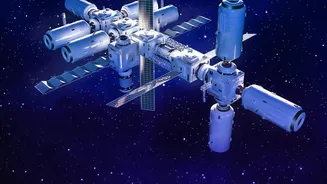
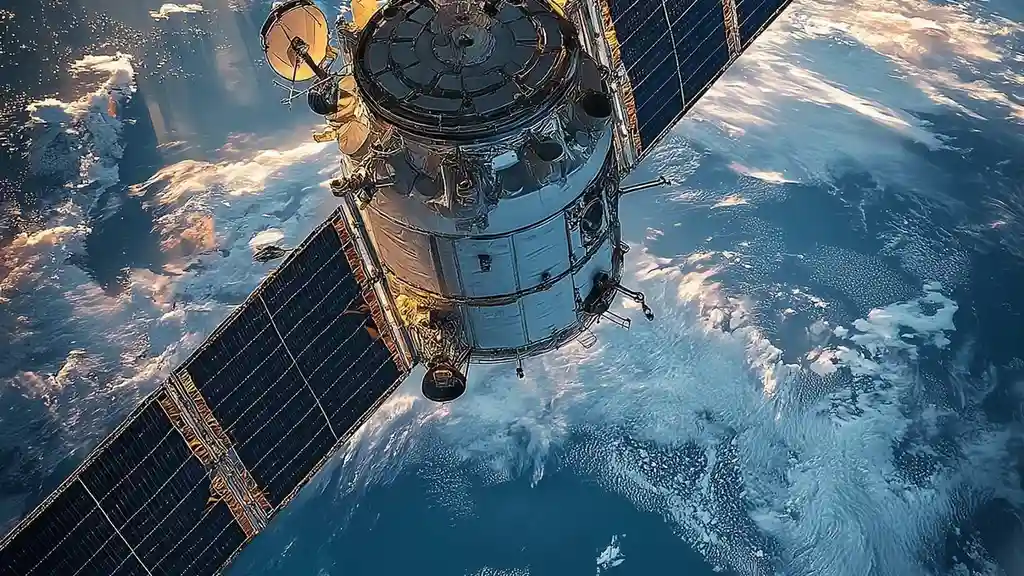
Several companies are vying to build the habitats of the future. Axiom Space has a unique strategy: it plans to attach its first modules to the ISS starting as early as 2026. These modules will be tested in orbit before detaching to become a free-flying independent station, known as Axiom Station, once the ISS is decommissioned. Another key player is Vast, which is developing Haven-1, a smaller, single-module station aiming for a launch in early 2027. Meanwhile, two larger projects are also in development. Orbital Reef, a joint venture by Blue Origin and Sierra Space, is envisioned as a 'mixed-use business park' in space, designed for research, tourism, and manufacturing. The Starlab station, from a partnership between Voyager Space and Airbus, is designed to be launched in a single flight and will focus heavily on science and research, aiming to match the ISS's payload capacity.
A New Economy in Orbit
These new commercial stations are not just replacements; they represent a fundamental shift in how we use space. The business model extends far beyond government-funded science. The operators of Orbital Reef, for instance, see a future with diverse tenants, including industrial and commercial customers. The possibilities include in-space manufacturing of unique materials like advanced semiconductors, pharmaceutical research in microgravity, and even space tourism. Axiom Space is already flying private astronauts on missions to the ISS, demonstrating a viable market for non-government spaceflight. These private outposts will feature advanced docking systems capable of accommodating a variety of spacecraft, from SpaceX's Dragon to Sierra Space's Dream Chaser, creating a flexible and dynamic ecosystem in orbit. This move is expected to dramatically lower the cost of access to space, opening it up to a wider range of companies, researchers, and nations.