




What Exactly Is Blush Blindness?
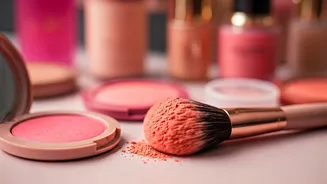
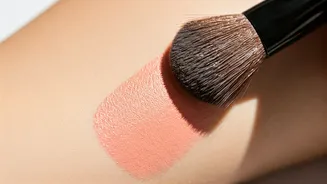
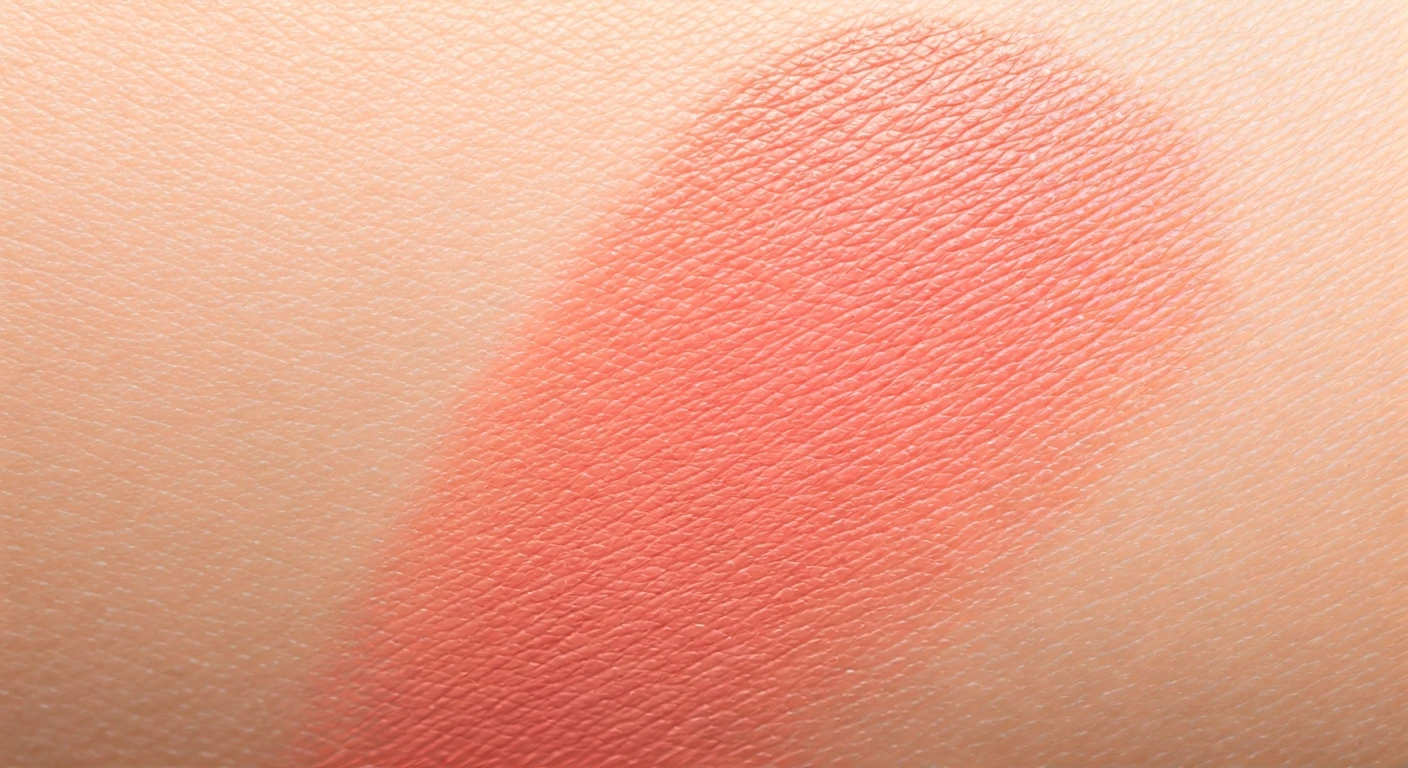
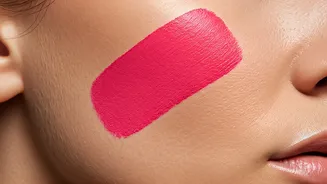
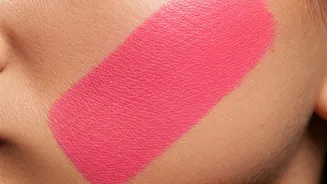
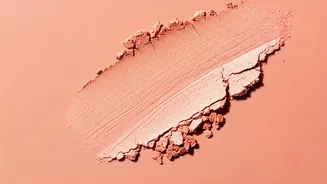
Blush blindness is the term beauty lovers on platforms like TikTok use to describe what happens when you apply blush and your eyes gradually become desensitized to the colour. This leads you to keep adding more product, layer after layer, until the pigment
is far more intense than you initially realised. What starts as a subtle flush can quickly escalate into a bold, highly saturated look. Once a common makeup mistake, this over-application is now being embraced as an intentional style statement, transforming a potential blunder into a confident aesthetic choice.
From Mistake to Movement
So why is everyone suddenly leaning into this heavy-handed application? For one, blush is having a major renaissance. After years of being overshadowed by bronzer and contour, it's back as the star of the show. Influencers and celebrities like Sabrina Carpenter have championed the unapologetically flushed look, inspiring countless tutorials. This shift is also a reaction against rigid beauty rules. The blush blindness trend is about having fun, experimenting with colour, and embracing a look that feels joyful and expressive rather than perfect. It's a way to make your makeup visible and intentional, turning up the volume on a product that often fades throughout the day.
Trend 1: Blush Draping Redux
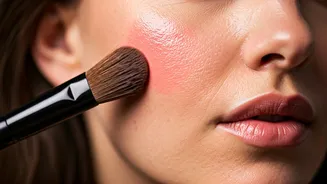
One of the biggest trends to emerge from this is the revival of blush draping. A technique made famous in the 1970s, draping uses blush to sculpt the face instead of contour. Rather than confining the colour to the apples of your cheeks, you sweep it from the high point of your cheekbone up towards your temple in a 'C' shape. The modern take is softer and more blended, creating a lifted effect that enhances your bone structure with a seamless, natural-looking dimension. It gives you structure that reads as warmth and vitality.
Trend 2: The Under-Eye Flush
Perhaps the most unconventional trend is applying blush directly under the eyes. This technique involves placing colour higher than ever before, blending it from just beneath the lower lash line across the top of the cheekbones. Proponents say it has a surprisingly brightening effect. The pop of pink or peach can help colour-correct and cancel out bluish or grey tones from dark circles. It also mimics a natural, youthful flush, drawing the eye upward and making the centre of the face appear fuller and more awake.
Trend 3: The Monochromatic Moment
Embracing a heavy blush application has also popularised the monochromatic look. To make an intense cheek seem more intentional, many are now sweeping the same blush across the bridge of the nose for a sun-kissed effect, onto the temples as part of a draped look, and even onto the eyelids as a soft wash of colour. This ties the entire look together, creating a cohesive and harmonious feel that makes the bold blush look purposeful rather than accidental. It's a simple way to ensure your makeup feels like a complete, unified statement.