



The Tale of Two Showers
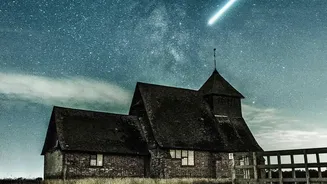
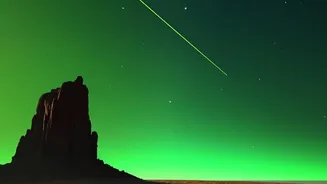
August’s Perseid meteor shower was a treat, peaking around August 12-13 under dark, moonless skies, delivering a fantastic display for those who found clear weather. Now, as we move into autumn, the night sky prepares for its next major event: the Orionid
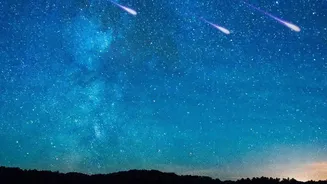
meteor shower. While the Perseids originate from debris left by Comet Swift-Tuttle, the Orionids are born from a more famous parent: Halley's Comet. Each October, Earth passes through the trail of cosmic dust shed by this legendary comet, resulting in the beautiful streaks of light we call the Orionids.
All About the Orionids
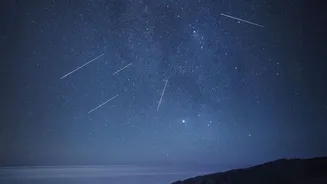
The Orionid meteor shower is active from early October to early November, but the best time to watch will be during its peak on the night of October 21-22, 2026. The meteors will appear to radiate from the constellation Orion, which gives the shower its name. Orionid meteors are known for their speed, entering our atmosphere at about 66 kilometres per second. This can result in very bright, fast meteors, some of which may leave persistent trails of glowing gas that linger for a few seconds. Under ideal conditions, you might see between 15 and 25 meteors per hour. While a waxing gibbous moon will be present during the 2026 peak, it sets in the early morning, leaving a window of dark sky just before dawn for optimal viewing.
Finding Your Dark Sky Haven
The key to a great meteor shower experience is getting away from city light pollution. For stargazers in India, this means heading to non-metro and rural areas. High-altitude regions are often the best bet. Places like Hanle in Ladakh, designated as India's first Dark Sky Reserve, offer pristine viewing conditions. Spiti Valley in Himachal Pradesh is another prime location, known for its clear, dry air and vast skies. For those who can't travel to the Himalayas, other excellent options exist across the country. The Rann of Kutch in Gujarat provides a uniquely flat horizon, while desert camps near Jaisalmer in Rajasthan also offer magnificent views. In southern India, the hills of Coorg in Karnataka and other parts of the Western Ghats can provide refuge from urban glare. Even national parks and tiger reserves, like Pench and Kanha in Madhya Pradesh, can be great spots if you can find an area with an open sky.
A Stargazer’s Simple Toolkit
You don't need any special equipment to enjoy a meteor shower—your eyes are the best tool. The most important thing is to find a dark, open space far from streetlights. Allow your eyes at least 20-30 minutes to fully adapt to the darkness; avoid looking at your phone screen during this time, as its white light will ruin your night vision. A reclining chair or a blanket will make viewing much more comfortable. Lie back and look up, taking in as much of the sky as possible rather than focusing on a single point. Dress in warm layers, as even on a clear night, the temperature can drop significantly, especially in the pre-dawn hours when viewing is often best. Finally, patience is essential. Meteor showers are not a constant downpour but a series of beautiful, unpredictable streaks across the sky.