


Why Go Back to Traditional Grains?
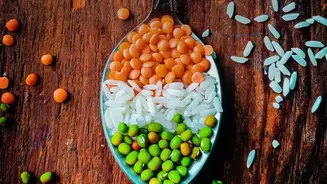
For generations, Indian kitchens thrived on a variety of grains like jowar (sorghum), bajra (pearl millet), and ragi (finger millet). These grains, often called millets, were staples long before polished rice and refined wheat became dominant. They are
making a comeback for good reason. Millets are typically richer in dietary fibre, protein, and essential minerals like iron and magnesium compared to white rice. Being naturally gluten-free and having a lower glycemic index, they release energy slowly, keeping you full for longer and helping manage blood sugar levels. This isn't about giving up comfort, but enhancing it with nutrition and earthy, complex flavours.
Jowar: The Versatile and Light Staple
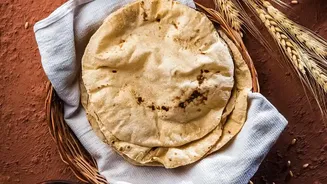
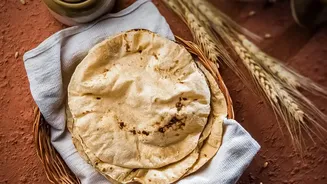
Jowar, or sorghum, is a fantastic starting point for anyone new to millets because of its mild, slightly sweet flavour. Traditionally used to make bhakri in states like Maharashtra and Karnataka, its flour can easily replace wheat in many dishes. You can make soft jowar rotis by using warm water to knead the dough. Beyond rotis, jowar works beautifully in savoury pancakes (cheela), dosas, and even as a substitute for rice in upma or khichdi. Because it's light and easy to digest, it's a comforting grain suitable for all ages.
Bajra: The Warming Winter Grain
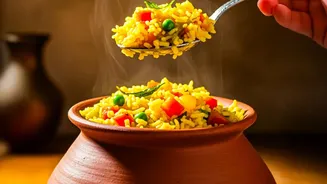
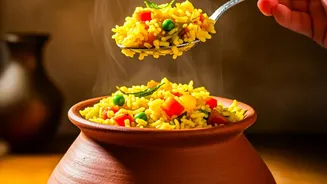
Bajra, or pearl millet, is a heartier grain with a distinct nutty and earthy taste. It's known for its warming properties, making it a winter favourite in Rajasthan and Gujarat, often in the form of a thick flatbread called 'rotla'. The most popular way to enjoy bajra is in khichdi, where its robust flavour pairs perfectly with ghee and simple spices, creating a deeply satisfying one-pot meal. While pure bajra rotis can be dense, you can mix the flour with wheat or jowar flour to make them softer and easier to handle.
Ragi: The Nutrient-Packed Powerhouse
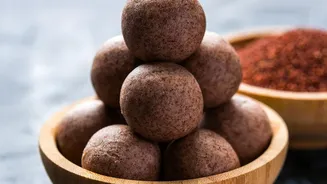
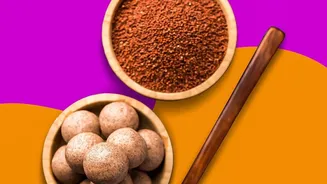
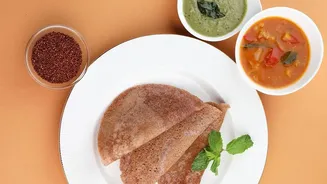
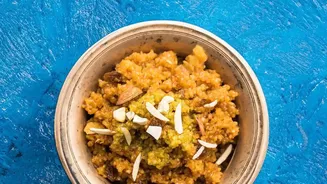
Ragi, or finger millet, is a nutritional champion, famously rich in calcium and iron. It has a unique, slightly sweet and nutty flavour. In South India, it’s a staple for making dosas and idlis, either by replacing rice entirely or by adding ragi flour to the standard batter. A ragi dosa is typically crispier and has a darker colour than a regular rice dosa. Ragi also makes a wonderful, creamy porridge (kanji) that can be served sweet with jaggery or savoury with buttermilk. Its flour is also used to make nutrient-dense laddoos and halwa.
Tips for Perfect Millet Cooking
Cooking with millets is simple, but a few tips can ensure great results. First, always wash the grains thoroughly. Soaking is crucial for many millets; most benefit from at least a few hours of soaking to soften them and make them easier to digest. As a general rule for cooking whole millets as a rice replacement, use a 1:2 or 1:3 ratio of millet to water, depending on the specific grain. For flours like jowar and bajra, using warm water to knead the dough helps create a more pliable texture for rotis. Don't be afraid to start small by mixing millet flour with your regular wheat atta in a 1:1 ratio.