


A Dish of Comfort and Culture
Curd rice is a cornerstone of South Indian food culture, often marking the gentle end to a flavourful meal. Its role is to soothe the palate after spicy dishes, aid digestion, and provide a sense of wholesome closure. Historically, the combination was
a practical and natural one for the region's agricultural and dairy-based communities, especially suited to the warm climate. It is a staple in homes, a special offering in temples as 'prasadam', and a trusted meal for someone feeling under the weather. This simple dish embodies a philosophy of balance, providing nourishment that is both cooling and deeply satisfying.
The Soothing Health Benefits
The appeal of curd rice extends beyond its taste and tradition. It is celebrated for its significant health benefits. The curd, or yogurt, is a natural probiotic, introducing beneficial bacteria like Lactobacillus to the digestive system, which can help improve gut health and ease issues like bloating. Being rich in calcium, it supports bone health. The dish is also considered a cooling food, ideal for India's hot summers, helping to regulate body temperature and hydrate the body. For those with an upset stomach, a simple, un-tempered bowl of curd rice is often the first food recommended due to its gentle and soothing properties.
The Classic Recipe for Simple Curd Rice
Making authentic, creamy curd rice is an art, but a simple one to master. The key is in the texture of the rice and the freshness of the curd. Ingredients: 1 cup of short-grain rice (like Sona Masoori), cooked until very soft 1.5 to 2 cups of fresh, full-fat curd (yogurt), whisked until smooth 1/2 cup of milk (optional, to prevent sourness) Salt to taste Instructions: 1. Cook the rice with extra water to ensure it's very soft. Once cooked, mash it thoroughly with the back of a ladle while it is still warm. This is the secret to a creamy texture. 2. Let the mashed rice cool down to room temperature. It is crucial not to add curd to hot rice, as it can kill the beneficial bacteria and cause the curd to split. 3. Once cool, add the whisked curd, milk (if using), and salt. Mix everything together until you have a creamy, porridge-like consistency. The milk helps maintain a pleasant flavour, especially if the rice will be eaten later.
Elevating with a Flavourful Tempering (Tadka)
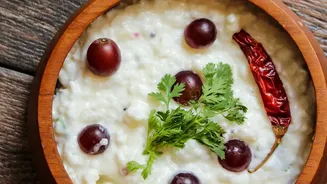
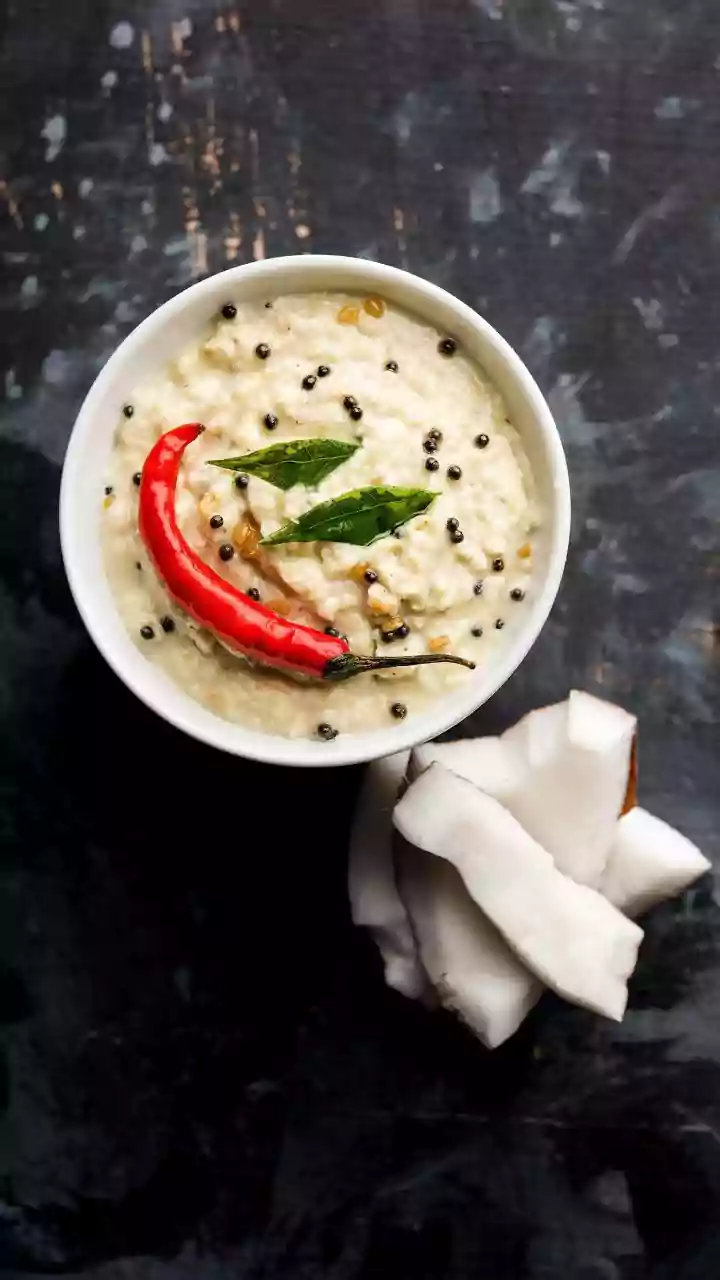
While simple curd rice is delicious on its own, a classic tempering, or 'tadka', elevates it to another level, adding aroma, flavour, and a gentle crunch. Tempering Ingredients: 1 tablespoon of oil or ghee 1 teaspoon of mustard seeds 1 teaspoon of urad dal (split black gram) A pinch of asafoetida (hing) 1-2 dried red chillies, broken A few fresh curry leaves * 1 teaspoon of finely grated ginger or chopped green chillies (optional) Instructions: 1. Heat the oil or ghee in a small pan. Add the mustard seeds and wait for them to pop. 2. Add the urad dal and sauté until it turns light golden brown. 3. Add the dried red chillies, curry leaves, grated ginger, and asafoetida. Sauté for a few seconds until the curry leaves are crisp and fragrant. 4. Pour this sizzling tempering over the prepared curd rice and mix it in.
Tips and Popular Variations
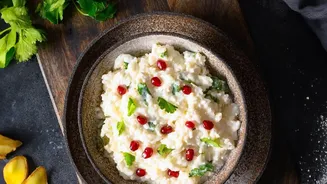
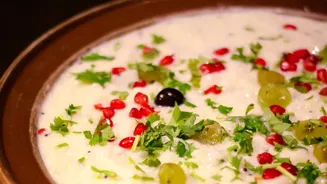
Curd rice is beautifully versatile. For a richer dish, some add a dollop of butter or cream to the mix. For extra texture and flavour, consider adding garnishes like pomegranate seeds, finely chopped cucumber, grated carrots, or pieces of raw mango. Some recipes even include fried cashews for a nutty crunch. If you're packing it for a lunchbox, adding a bit more milk will prevent the curd from turning too sour over a few hours. For a different take, some even substitute rice with vermicelli or sago.