

The Current Battery Barrier
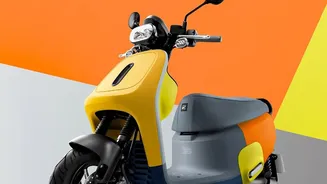
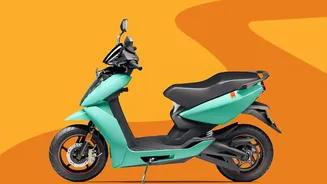
Ask anyone who has considered buying an electric scooter, and they will likely point to the price tag as a major concern. A huge portion of that cost comes directly from the battery pack. In India, lithium-ion battery packs are the single most expensive
component of an electric two-wheeler, sometimes accounting for 40% to 50% of the vehicle's total cost. Depending on the model and capacity, a replacement battery alone can cost anywhere from ₹45,000 to over ₹1,00,000. This high cost not only inflates the initial price but also creates anxiety about long-term ownership and eventual replacement expenses. Beyond cost, conventional lithium-ion batteries have other limitations, including charging times that can stretch for hours and safety concerns related to the flammable liquid electrolyte they contain.
Enter the Solid-State Solution
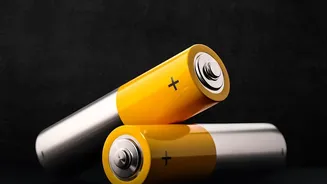
Solid-state batteries (SSBs) represent the next generation of energy storage and a potential solution to these problems. The key difference is simple but profound: they replace the flammable liquid or gel electrolyte found in today's lithium-ion batteries with a solid material, often a ceramic or polymer. This fundamental change brings a cascade of benefits. Firstly, eliminating the flammable liquid drastically improves safety and virtually removes the risk of battery fires. Secondly, solid electrolytes allow for a more compact and energy-dense design. This means a battery can store significantly more energy in the same amount of space—potentially doubling the vehicle's range—or provide the same range from a much smaller and lighter pack.
What Is the Latest Progress?
For years, the challenge with solid-state batteries has been moving them from the lab to mass production. The solid electrolyte materials were often brittle, and manufacturing them at scale without defects was difficult and expensive. However, recent breakthroughs are changing the picture. Researchers and companies are making strides in developing new materials and manufacturing techniques. For instance, a recent major breakthrough announced on September 1, 2026, involves creating a stable battery that can operate at low pressure, addressing a major bottleneck for sulphide-based all-solid-state batteries. This type of innovation in 'interface engineering' is crucial for making the technology viable for mass production. These advances suggest that the primary obstacles—cost and scalability—are beginning to fall, paving the way for commercial use.
How This Makes Two-Wheelers Cheaper
The path to lower costs is directly linked to manufacturing. As these new, more efficient production methods mature, the cost per battery is expected to drop significantly. Furthermore, SSBs open the door to using different materials, such as lithium metal anodes, which could further boost performance and reduce reliance on some of the more expensive components found in current batteries. Another game-changer is the potential for ultra-fast charging. Prototypes have demonstrated the ability to charge to 80% in under 15 minutes, a dramatic improvement over the hours required for many current EVs. This combination of lower production costs, higher energy density (meaning less material is needed for the same range), and enhanced safety makes the entire package more economical in the long run.
When Can We Expect Them on Indian Roads?
While the progress is exciting, patience is key. Experts suggest that solid-state batteries will likely appear first in premium electric cars before trickling down to more affordable segments like two-wheelers. Major battery manufacturers like CATL and BYD are targeting small-scale production around 2027, with mass-market adoption unlikely before 2030. The Indian solid-state battery market, though currently small, is projected to grow significantly, driven by the push for electric vehicles and government incentives. The technology will probably be phased in, starting with semi-solid or hybrid batteries that offer some of the benefits, before full solid-state technology becomes the standard in the early 2030s. The wait may be a few years, but the promise of cheaper, safer, and better-performing electric scooters is firmly on the horizon.