







Embrace the Art of Layering
The single most effective strategy for multi-climate travel is layering. Instead of packing bulky single-purpose items like a heavy sweater, think in terms of a system. A typical three-part system includes a base layer to manage moisture, a mid-layer
for insulation, and an outer shell for wind and rain protection. For example, a thin long-sleeved top can be worn on its own in mild weather, under a fleece or sweater when it gets chilly, and all together under a waterproof jacket in the cold and rain. This approach gives you a versatile wardrobe that can adapt to a sudden drop in temperature on a mountain pass or a cool, air-conditioned room on the coast.
Choose Your Fabrics Wisely
The material of your clothes is just as important as the style. For humid, coastal weather, prioritize breathable, moisture-wicking fabrics. Linen and lightweight cotton are excellent choices as their open weaves allow for air circulation, which helps you feel cooler. However, cotton can be slow to dry. For a more technical option, consider fabrics like Tencel or bamboo viscose, which breathe well and resist creasing. For the cold, merino wool is a travel superstar. It regulates body temperature, meaning it can keep you warm when it's cold but remains breathable in the heat. It's also naturally odour-resistant, so you can wear it multiple times before washing.
Invest in Multi-Purpose Gear
To pack light, every item should earn its place in your bag by serving more than one function. A large scarf or a pashmina can be a chic accessory, a head covering for religious sites, a blanket on a chilly flight, or an extra layer for warmth. Leggings can be worn for a hike, under a long top for a casual look, or as a warm base layer under trousers in the cold. Think about a versatile button-up shirt: wear it open over a t-shirt on a warm day, buttoned up for a smarter look, or as a light layer over a base shirt when temperatures drop. This mindset reduces the total number of items you need to carry.
Build a Capsule Wardrobe
A capsule wardrobe is a small collection of essential items that can be easily mixed and matched. Stick to a neutral colour palette for your main items—like trousers, jackets, and shoes—and add pops of colour with smaller, lighter items like t-shirts and scarves. This ensures that almost every top works with every bottom, maximising your outfit combinations from a minimal number of pieces. For a two-week trip, you don't need fourteen different outfits; you need a few versatile pieces that can be combined in different ways. Planning to do laundry once on your trip can also dramatically cut down on the amount you need to pack.
Don't Forget Your Extremities
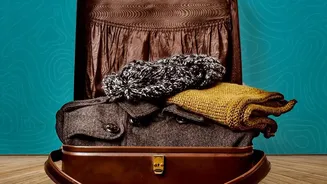
When heading into cold mountain passes, your hands, feet, and head are where you lose heat the fastest. Packing a warm beanie, a pair of gloves, and a few pairs of wool socks is non-negotiable. The great thing is that these items are small and don't take up much space in your luggage, but they make a huge difference in comfort. Wool socks, particularly merino, can be worn for a couple of days without smelling, and they keep your feet warm even if they get a little damp. These small additions can make the difference between shivering through a beautiful mountain sunrise and truly enjoying it.
Smart Organisation is Key
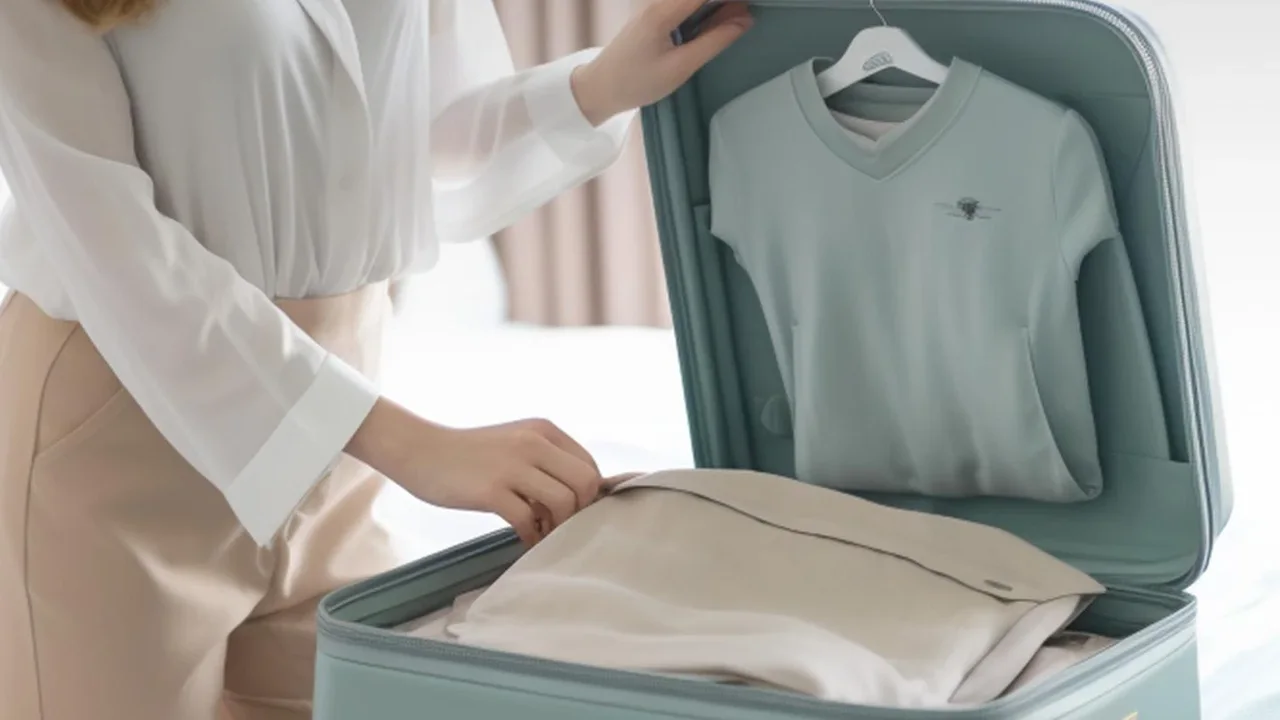
How you pack is as important as what you pack. Use packing cubes to compartmentalise your clothing. You could have one for warm weather gear and one for cold, or group items by type (shirts, trousers, etc.). This not only keeps your suitcase organised but also helps compress your clothes, saving valuable space. Rolling your clothes instead of folding them is another classic space-saving trick that also helps minimise wrinkles. For any liquids, consider solid toiletries—like shampoo bars and solid perfumes—to avoid spills and save space. Having an organised bag means you can easily find what you need without having to unpack everything, whether you're grabbing a jacket for a quick stop or a swimsuit for the beach.