






The Official 2025 Census Numbers
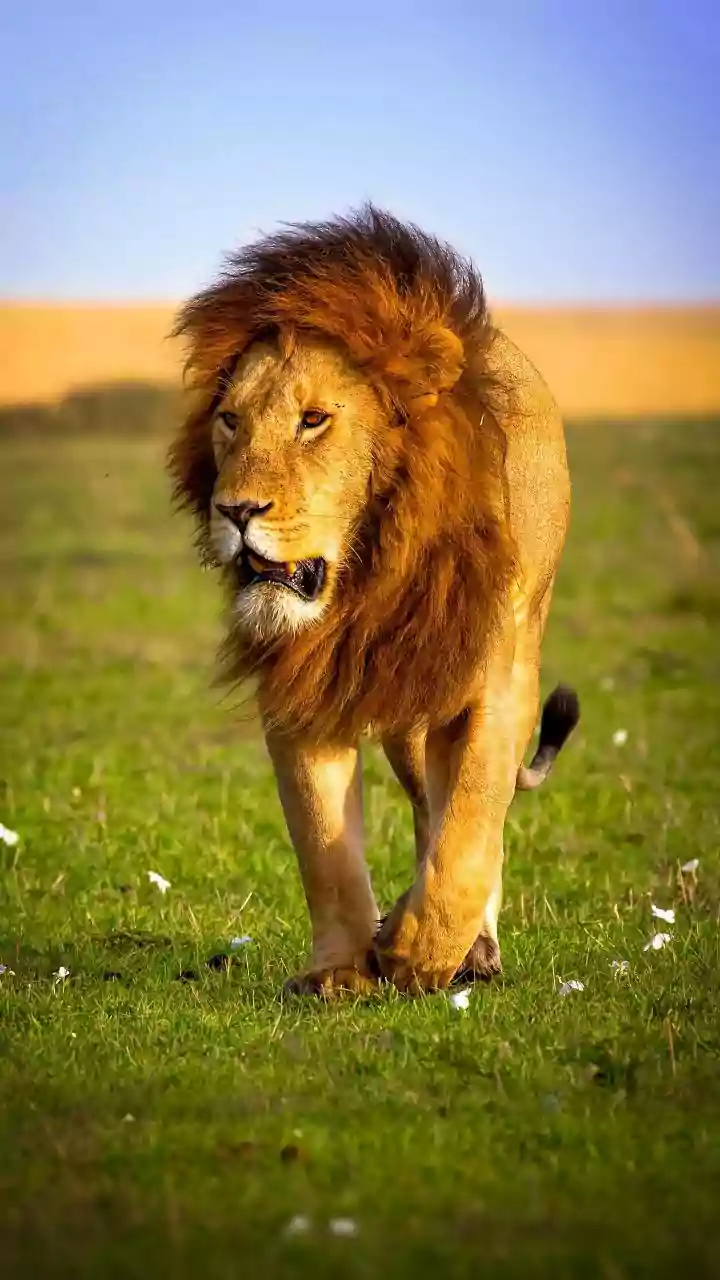
The primary source for lion population figures is the official census conducted by the Gujarat Forest Department every five years. The 16th Asiatic Lion Census took place in May 2025. The results were a major conservation success story: the total population of Asiatic lions
in Gujarat surged to 891, a significant 32% increase from the 674 lions recorded in 2020. This census is a massive undertaking, covering approximately 35,000 square kilometres. More than half of these lions, 507 to be exact, were found living outside the traditional protected areas of Gir National Park, showcasing the species' remarkable expansion across the Saurashtra region.
Barda Sanctuary's Specific Count
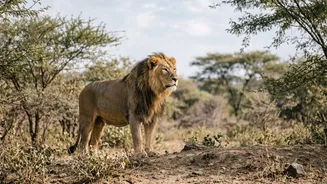
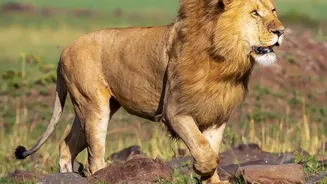
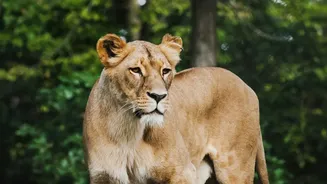
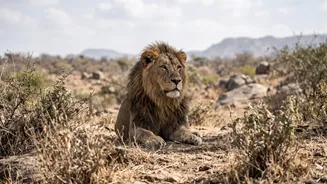
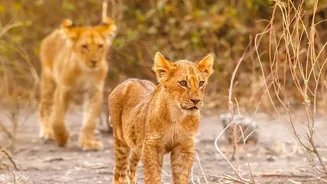
Within this larger 2025 census, Barda Wildlife Sanctuary was officially noted as a new home for the lions. For the first time since 1879, a resident population was recorded in Barda, marking a historic return. The 2025 census confirmed that Barda hosted a small but growing population of 17 lions, which included six adults and eleven cubs. This milestone is part of 'Project Lion', a national initiative to secure the future of Asiatic lions by establishing a second, independent population away from the concentrated numbers in Gir. The return began with a single male lion naturally migrating to the area in 2023, followed by the strategic introduction of five females by the Forest Department to establish a breeding population.
So, Where Does 2026 Come From?
This is the core of the confusion. There has not been a new, full-scale census in 2026. The official census is a quinquennial event, with the next one due in 2030. However, population figures are sometimes mentioned in government reports or studies in the years between censuses. For instance, data tabled in the Gujarat Legislative Assembly in February 2026 reiterated the census count of 891 lions but also provided updated mortality figures up to January 31, 2026. These updates come from continuous monitoring, not a new count. Forest departments regularly track animal movements, births, and deaths. Reports published in late 2026 often cite the definitive 2025 census data as the most recent official population estimate, while discussing ongoing conservation developments that occurred throughout 2025 and 2026, such as prey base augmentation in Barda.
Monitoring vs. Counting
It's helpful to distinguish between a formal 'census' and ongoing 'monitoring'. The 2025 census was a comprehensive, direct verification method involving thousands of people, GPS tracking, and AI-powered photo identification to get a precise snapshot in time. In contrast, monitoring is a continuous process. Forest officials track radio-collared lions, record sightings, and manage the ecosystem. A study published in September 2026, for example, analysed GPS data from collared lions in Barda collected between January 2023 and July 2025 to confirm the sanctuary's suitability as a habitat. These activities provide valuable data but do not constitute a new official population count for the entire state. Therefore, any mention of 2026 figures typically refers to updates on the population first enumerated in 2025, or other related data points like mortality rates or prey translocation projects.
The Big Picture for Barda's Lions
The establishment of lions in Barda is a landmark achievement for Indian conservation. For decades, experts warned of the risks of having the world's entire wild population of Asiatic lions concentrated in a single location, where they could be vulnerable to disease or disaster. Barda, located about 15 km from Porbandar, is now being developed as that crucial second home. To support the 17 lions and encourage further growth, authorities are actively managing the habitat. This includes relocating pastoralist families to reduce human-wildlife conflict and augmenting the prey base by translocating hundreds of spotted deer into the sanctuary. The story of Barda's lions is not just about numbers, but about the creation of a resilient, long-term future for the species.