





Why Responsible Tourism Matters
Kaziranga is a celebrated conservation success story, but its delicate ecosystem faces constant pressure. As a visitor, your actions have a direct impact. Responsible tourism isn't about limiting your experience; it's about enriching it. By following
park guidelines, you help protect the animals, support the local communities that are custodians of this land, and ensure that future generations can also witness its splendours. Every conscious choice helps maintain the natural balance that makes Kaziranga so special.
Dressing the Part
What you wear can influence your wildlife sightings. Animals are easily disturbed by unfamiliar, bright colours. Opt for neutral, earth-toned clothing like khaki, olive green, brown, or grey. This helps you blend into the natural environment, reducing the chances of alarming the animals and allowing for more authentic viewing. Bright colours like red and white are strongly discouraged. Essentials to carry include a hat, sunglasses, and comfortable shoes. Depending on the season, a light jacket or a raincoat might also be necessary.
The Golden Rules of the Safari
Once your safari begins, your behaviour inside the vehicle is crucial. Always follow the instructions of your guide and driver; they are trained to understand animal behaviour and park rules. Maintain silence or speak in low whispers, as loud noises can stress animals and cause them to flee. For everyone's safety, remain in the jeep at all times unless at a designated stopping point. It's also important that your driver adheres to the park's speed limit, which is typically around 20 km/h, to prevent accidents and minimise disturbance. Any firearms, weapons, or flammable items are strictly prohibited inside the park.
Respecting the Wildlife
The cardinal rule of wildlife viewing is to maintain a respectful distance. Never ask your driver to get too close, and never attempt to feed, touch, or provoke the animals in any way. Feeding wildlife alters their natural foraging habits and can lead to dependency on humans. Using a camera flash is often forbidden as it can startle or temporarily blind an animal. While mobile phones might be restricted in some zones to minimise noise, standalone cameras are generally permitted after paying the required fee. Remember, you are a guest in their home. The best encounters are those where the animals are undisturbed and behaving naturally.
The Elephant Safari Question
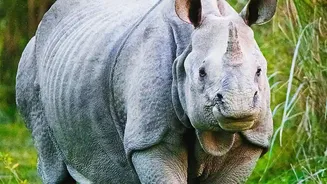
Elephant safaris are a long-standing feature in Kaziranga and can offer a unique vantage point for seeing rhinos up close. However, ethical concerns around the world regarding the training and welfare of elephants used for tourism are growing. The process of taming a wild elephant, known as 'phajaan' or 'breaking the spirit', can involve cruel methods. While the fees from these safaris contribute to the park's conservation funds and anti-poaching patrols, many animal welfare advocates argue against riding elephants. Visitors should research this topic to make an informed decision that aligns with their personal ethics.
Leave No Trace
Preserving Kaziranga's pristine environment is a collective responsibility. Littering is strictly prohibited, so be prepared to carry all your waste, especially non-biodegradable items like plastic bottles and wrappers, back out with you. Opting for a reusable water bottle is a simple yet effective way to reduce plastic waste. Smoking and lighting fires are also strictly forbidden due to the high risk of devastating forest fires. The goal is to leave the park exactly as you found it, ensuring its beauty remains for all.
Supporting the Local Community
Responsible tourism extends beyond the park gates. The communities living around Kaziranga are integral to its conservation. You can contribute positively by staying in eco-friendly lodges that employ local staff and practice sustainability. Purchasing authentic, locally made handicrafts is another great way to ensure that the economic benefits of tourism reach the people who live alongside this incredible wildlife. When interacting with local residents, always be respectful of their culture and ask for permission before taking photographs.