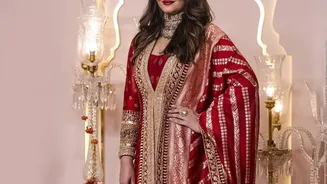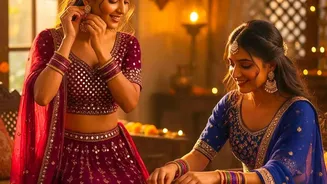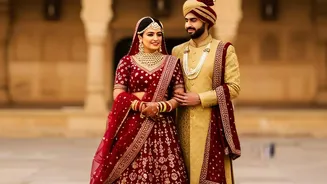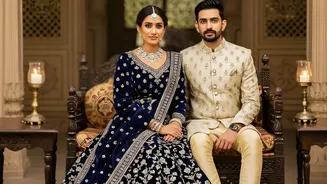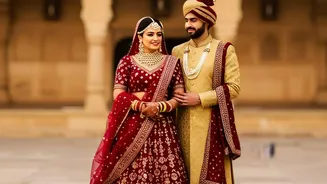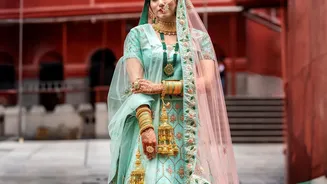


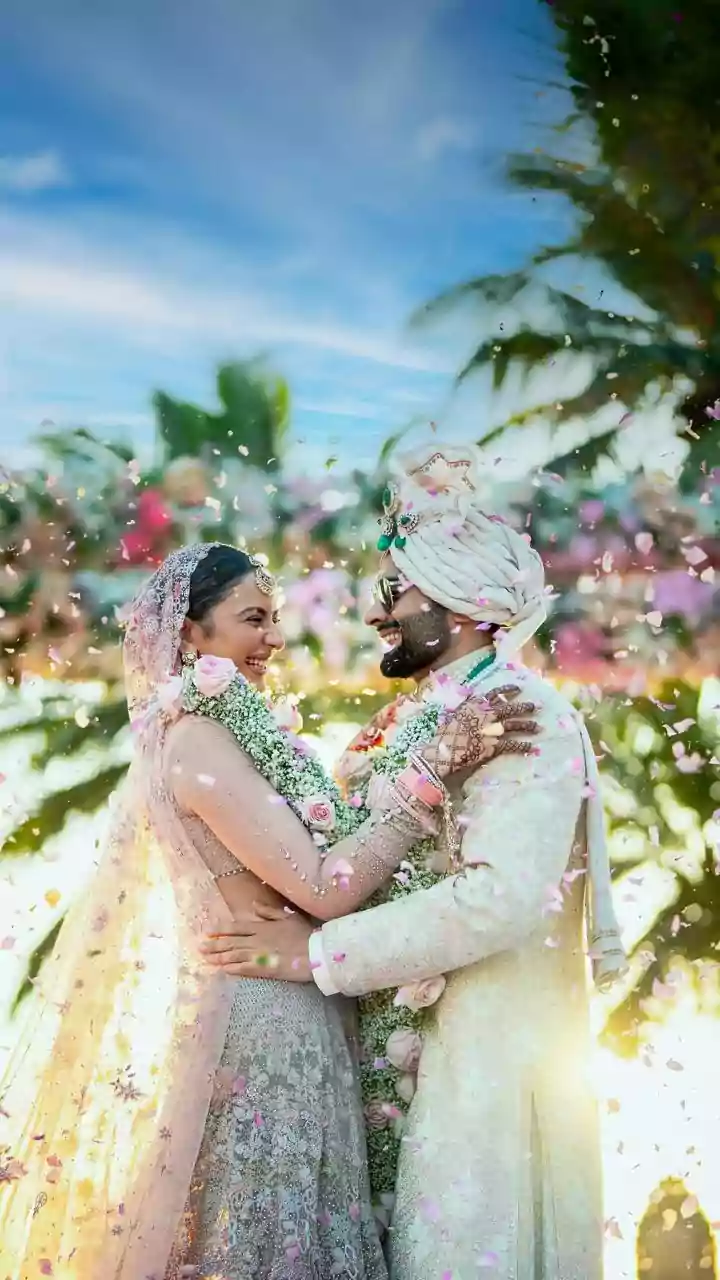
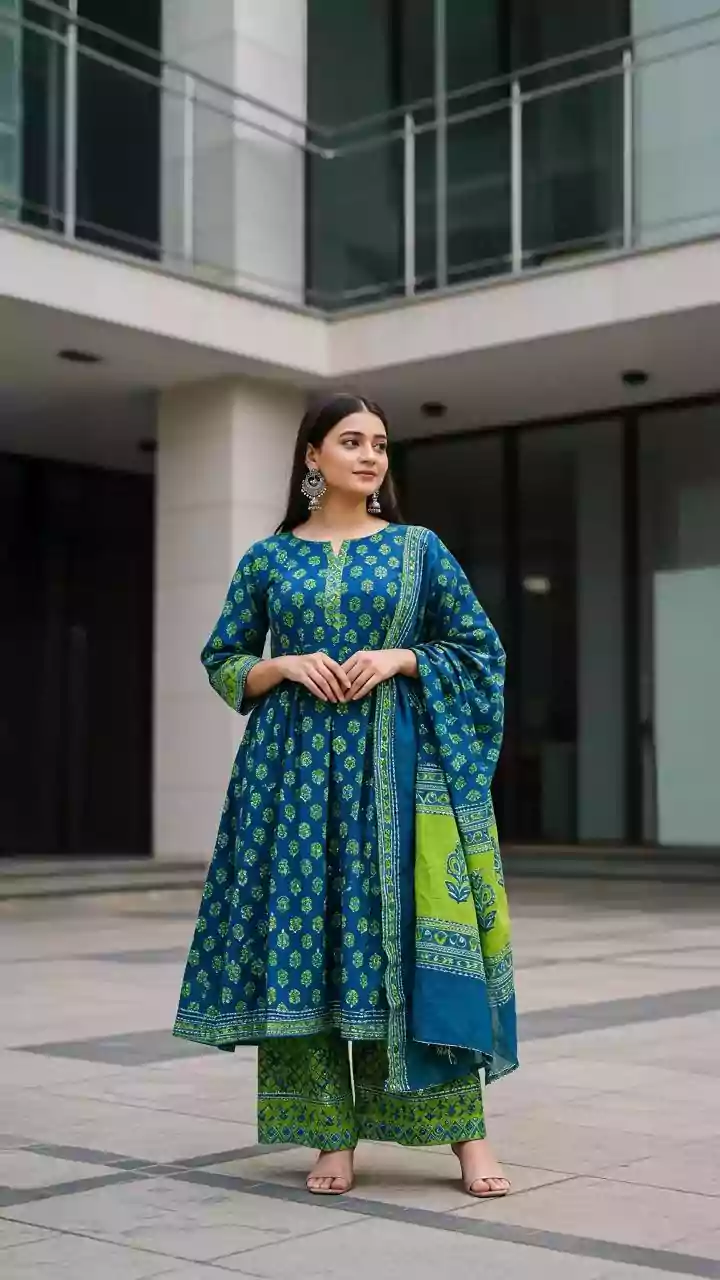
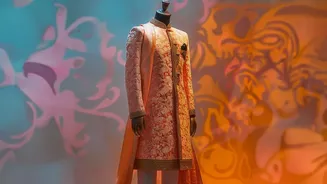
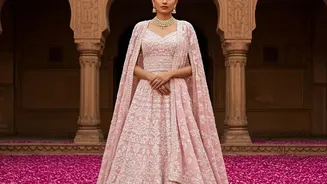
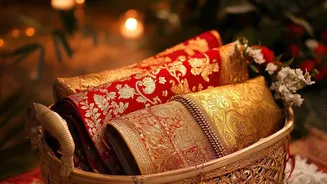
The big Indian wedding is an affair to remember, but what about the outfits worn just once? In 2026, a revolutionary trend is taking hold as brides and guests alike champion convertible and rewearable sarees and lehengas over single-use glamour.
The Dawn of the Modular Wardrobe
The single-use
outfit, once a hallmark of lavish weddings, is rapidly falling out of favour. In its place, 'convertible' or 'modular' occasionwear is emerging as the defining trend for 2026. This isn't just about being thrifty; it's a fundamental shift in how we perceive luxury. So, what exactly is a convertible lehenga? Imagine a bridal piece where the heavily embellished layer can be detached, leaving a lighter A-line skirt perfect for a friend's sangeet. Think of blouses designed to be paired with jeans, pre-draped sarees that can be restyled with different jackets, and dupattas that double as capes for future events. It's a design philosophy centred on versatility, allowing one meticulously chosen outfit to serve multiple purposes long after the main event has passed. This evolution reflects a modern desire for comfort, practicality, and personal style over rigid tradition.
Sustainability as the New Luxury
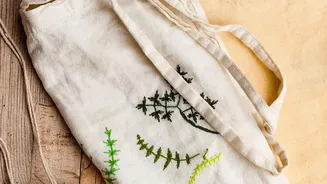
A primary driver of this trend is a growing consciousness about fashion's environmental impact. The modern consumer is increasingly aware of what their clothes cost the planet, and the bridal industry is no exception. Choosing sustainable options is no longer a compromise on beauty; it has become the ultimate statement of luxury. This includes a preference for handloom textiles like Banarasi or Chanderi, which support artisan communities, and the use of natural, plant-based dyes. Rather than buying multiple outfits, the focus has shifted to investing in a single, well-crafted, and re-wearable garment. This conscious choice reduces waste and promotes a 'slow fashion' mindset, even within the extravagant world of weddings.
The Smart Economics of Cost-Per-Wear
Beyond environmental concerns, there's a strong economic argument for rewearable fashion. A heavily embellished lehenga worn for only a few hours offers poor value, regardless of its beauty. In contrast, a modular outfit that can be restyled for several occasions becomes a smart investment. The concept of 'cost-per-wear' is gaining traction, encouraging buyers to think about the long-term utility of a garment. This mindset is transforming trousseau planning, with brides and their families prioritising pieces that are not only beautiful but also functional. Lightweight bridal lehengas are a prime example, offering versatility for future celebrations without the burden of excessive weight or single-purpose design.
Designers Embrace Versatility
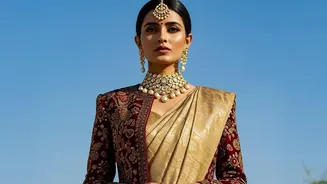
The industry is responding enthusiastically to this consumerled shift. Designers are increasingly incorporating modularity into their collections, recognizing that versatility is no longer a niche request but a standard expectation. Detachable elements like removable overskirts, interchangeable blouses, and snapon capes are becoming common features in 2026 bridal collections. The rise of predraped sarees also speaks to this trend, offering the elegance of a saree with modern convenience and styling possibilities. This focus on adaptable silhouettes and lighter fabrics like organza and georgette ensures that the modern bride can move and celebrate freely, embodying a new kind of effortless sophistication.
A New Chapter for Heirlooms
The rewearable trend is also redefining what it means to create an heirloom. Instead of a garment being preserved in a trunk, waiting for a future generation, the new heirloom is one that is actively used and loved. Upcycling a mother's vintage saree into a contemporary lehenga or jacket is a popular way to honour family heritage while creating something new. This approach infuses a wedding outfit with deep emotional resonance. A convertible outfit, worn and reworn at various life events, accumulates memories and becomes a living part of a family's story, shifting its value from static preservation to dynamic, personal history.