


As a gentle chill fills the air, your garden doesn't have to go dormant. Winter in India is the perfect time to cultivate a vibrant floral paradise. Here are some popular, easy-to-grow flowers that will brighten your home.
1. Marigold (Genda)
A staple in Indian households
for festivals and decoration, the marigold is arguably the king of winter flowers. Available in brilliant shades of yellow, orange, and red, these hardy flowers are incredibly easy to grow. They thrive in full sunlight and well-drained soil. For winter blooms, the best time to sow seeds is from September to October. Water the plants when the topsoil feels dry, but be careful not to overwater, especially in cooler weather, as marigolds dislike waterlogged soil. With minimal care, these cheerful flowers will keep your garden bright and festive all season long.
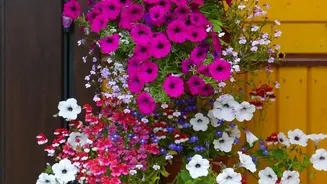
2. Petunia
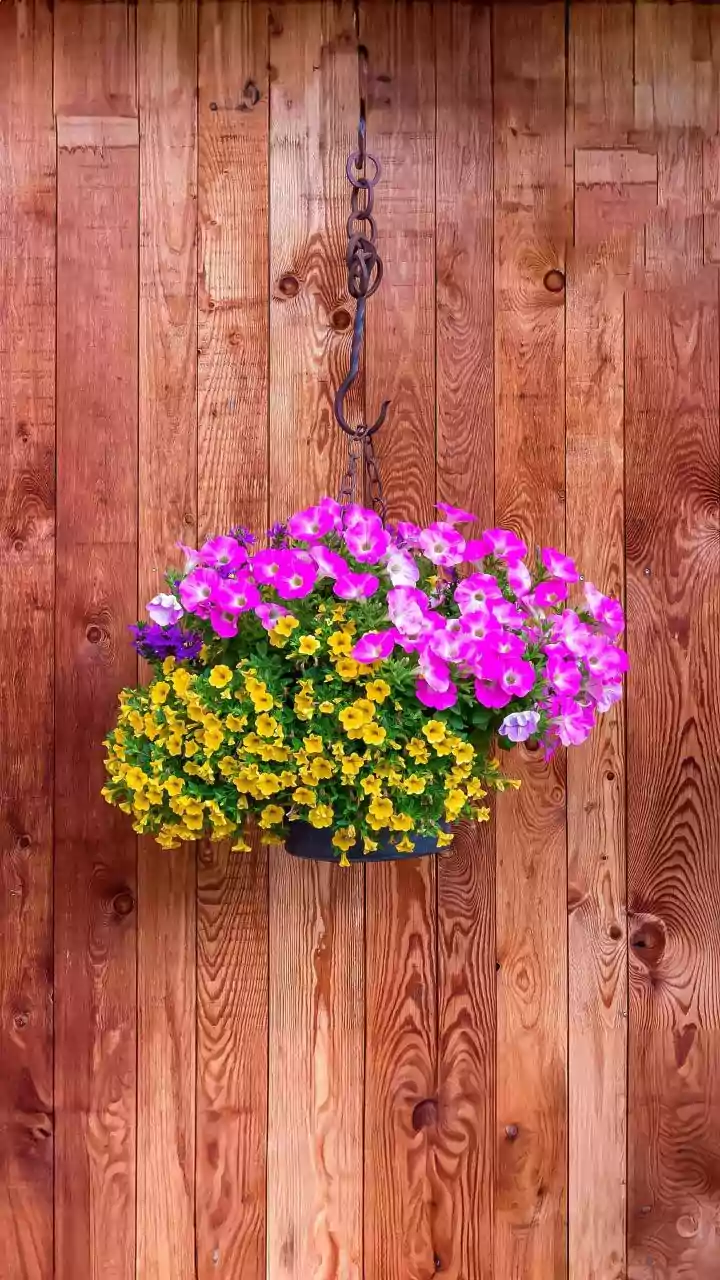
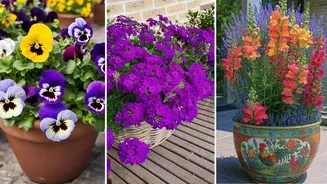
Petunias are perfect for pots, window boxes, and hanging baskets, producing a profusion of trumpet-shaped flowers. They come in an astonishing range of colours, including pink, purple, red, and white, with some varieties even featuring stripes. In most parts of India, the ideal time to sow petunia seeds is from late September to November, as they flourish in mild days and cool nights. These plants require at least five to six hours of direct sunlight to produce abundant blooms. A key to success is using a well-draining soil mix; never use plain garden soil in pots as it can compact and suffocate the roots. Regular removal of faded flowers will encourage the plant to produce more blooms throughout the season.
3. Pansy
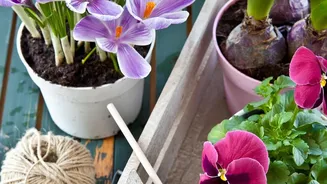
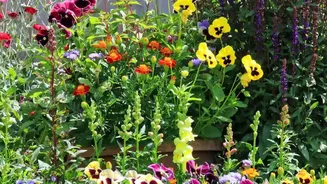
Known for their charming, face-like markings, pansies are a delightful addition to any winter garden. These low-growing plants thrive in cool weather and come in velvety shades of blue, purple, yellow, and maroon. They are an excellent choice for borders, pots, and north-facing balconies that receive partial shade. In the Indian plains, sow seeds from late September to mid-November when the nights begin to cool down. Pansies prefer soil that is consistently moist but not soggy, so water them when the top inch of soil feels dry. With their unique patterns and vibrant colours, pansies offer a touch of whimsy to the winter landscape.
4. Dahlia
For those looking to make a statement, dahlias are an unbeatable choice. These plants produce spectacular, multi-layered blooms in a vast array of shapes and sizes. While they require a bit more care, the results are well worth the effort. In most of India, the best time to plant dahlia tubers is from late September to early October. They need a location that receives at least six hours of sunlight and require well-draining soil to prevent the tubers from rotting. As the plant grows taller, it may need a stake for support to prevent the stem from breaking under the weight of its heavy, gorgeous flowers.
5. Calendula (Pot Marigold)
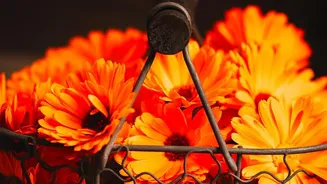
Often mistaken for marigolds, calendulas offer a splash of sunshine with their bright yellow and orange daisy-like flowers. Beyond their beauty, calendula petals are edible and have been used for medicinal purposes. These plants are very adaptable and can tolerate poor soil, as long as it drains well. They thrive in full sun but can also handle partial shade. In regions with mild winters, seeds sown in the fall can result in plants that bloom throughout the winter. Calendula is a low-maintenance choice that is known to be quite tolerant of cold, making it a reliable performer in the garden.
6. Alyssum
If you're looking for a fragrant flower that creates a delicate carpet of blooms, Sweet Alyssum is the perfect plant. This low-growing variety is ideal for garden borders, rock gardens, or spilling out of pots and hanging baskets. It produces dense clusters of tiny white, pink, or purple flowers with a sweet, honey-like scent. Alyssum thrives in the Indian winter, with the best sowing time being from October to February. It requires at least four to six hours of sunlight daily and prefers soil that is kept moist but not waterlogged. Its easy-growing nature and delightful fragrance make it a favourite among gardeners.
7. Chrysanthemum (Guldaudi)
Chrysanthemums, known as Guldaudi or Shevanti in India, are the queens of the autumn and winter garden. These plants produce an abundance of flowers in nearly every colour imaginable, from pom-poms to daisy-like shapes. As short-day plants, they naturally begin to set buds as the nights get longer, leading to a spectacular bloom in November and December. For the best results, they need about five to six hours of direct sunlight daily and well-drained, nutrient-rich soil. In most parts of India, new plants are best started from cuttings during the monsoon season (July-August) for flowering in the winter. Overwatering is a common mistake, so allow the topsoil to dry out between waterings.