







Start with a Water-Resistant Foundation
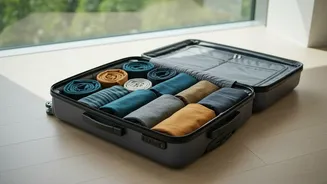
Your first line of defense is your primary luggage. While few bags are truly 100% waterproof unless designed for watersports, many are highly water-resistant. Hardshell luggage, typically made from polycarbonate, causes water to roll right off. For those
who prefer soft-sided bags, look for options made from durable, coated fabrics like PVC or treated Cordura, which can withstand a significant amount of rain. Many high-quality travel backpacks and duffels now feature materials and construction, such as welded seams and water-resistant zippers, that prevent moisture from seeping through. If your bag will be exposed on a roof rack or in a truck bed, a dedicated waterproof cargo bag is an excellent investment.
Compartmentalize with Dry Bags
Even with a water-resistant outer bag, the secret to guaranteed dryness is internal compartmentalization. This is where dry bags come in. Originally designed for activities like kayaking and rafting, these roll-top bags create a nearly airtight seal, making them an essential tool for any traveler. Use smaller dry bags to separate items within your main luggage. Dedicate one for your laptop and other sensitive electronics, another for a complete change of clothes, and another for important documents. This 'double-bagging' strategy ensures that even if your main suitcase or backpack gets soaked, your most critical items remain perfectly dry. It’s a simple but effective system used by seasoned outdoor enthusiasts.
Dedicated Protection for Your Electronics
Laptops, cameras, and phones are often the most expensive—and most vulnerable—items you travel with. A small amount of moisture can cause irreversible damage. For maximum security, place your laptop inside a padded sleeve and then put that sleeve inside a dedicated dry bag. For smaller items like phones and power banks, specialized waterproof pouches or even high-quality sealable plastic freezer bags can offer excellent protection against splashes and downpours. Some travelers recommend keeping your phone in a zippered pocket at all times when around water. For absolute peace of mind, especially in very wet environments, consider investing in a hard-shell, impact-resistant waterproof case for your most critical devices.
Low-Cost Hacks for Unexpected Showers
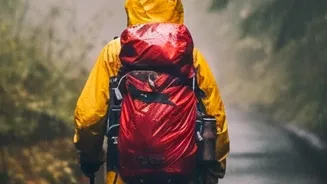
You don't always need expensive gear to keep your belongings dry. Some of the most effective solutions are also the cheapest. Heavy-duty bin liners or large garbage bags are a traveler’s best friend. Before packing your clothes into your suitcase, line the inside of the bag with a bin liner. Once packed, you can fold the excess plastic over the top before zipping it up. This creates a surprisingly effective barrier against water. For backpacks, you can use a large bag as an internal liner or pull it over the outside of the pack if you’re caught in a sudden storm. It’s a simple trick that can save your gear in a pinch.
Strategic Packing in Your Vehicle
How you pack your car is just as important as how you pack your bags. If you have a roof rack or are using the bed of a truck, a tarp is a non-negotiable item to cover and secure your luggage. But even when luggage is inside the car, it can be at risk. The trunk is surprisingly vulnerable when you open it to load or unload in heavy rain. To minimize exposure, pack the items you’ll need to access first (like a rain jacket or an overnight bag) in the most accessible spot. Bury your main luggage deeper. Place bags on raised platforms or mats if you anticipate water pooling on the floor of a truck bed or cargo area. A little forethought when loading the car can make a huge difference when you arrive at your destination in a downpour.