





Meet Galangal, Ginger's Cooler Cousin
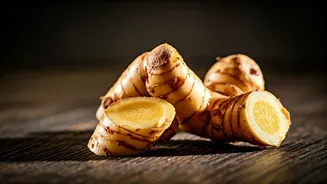
At first glance, you might mistake galangal for ginger. They’re both knobbly, underground stems known as rhizomes and belong to the same plant family, Zingiberaceae, alongside turmeric and cardamom. Often called 'Thai ginger' or 'Siamese ginger,' galangal is a cornerstone
of Southeast Asian cuisines, particularly in Thai, Indonesian, and Malaysian food. While ginger is a global superstar, galangal has remained more of a regional hero, prized for its unique aromatic properties that are essential to dishes like Tom Yum soup and various curry pastes.
The Flavor and Aroma Face-Off
This is where the two really part ways. While ginger offers a pungent, spicy, and slightly sweet flavor, galangal's profile is sharply different. Imagine the scent of a pine forest mixed with a dash of citrus and a peppery bite; that's galangal. Its taste is more earthy and complex, with a cooling, almost medicinal quality rather than the warming heat of ginger. Some describe its aroma as similar to Vicks VapoRub in a pleasant, refreshing way. Because their flavors are so distinct, they are not ideal substitutes for each other. Using galangal where a recipe calls for ginger will fundamentally change the dish, and vice versa.
Telling Them Apart by Sight and Touch
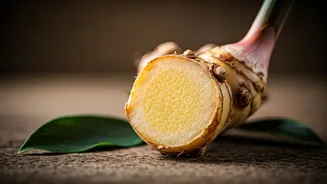
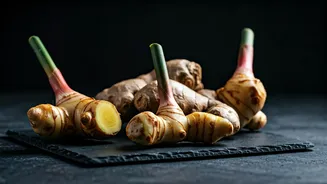
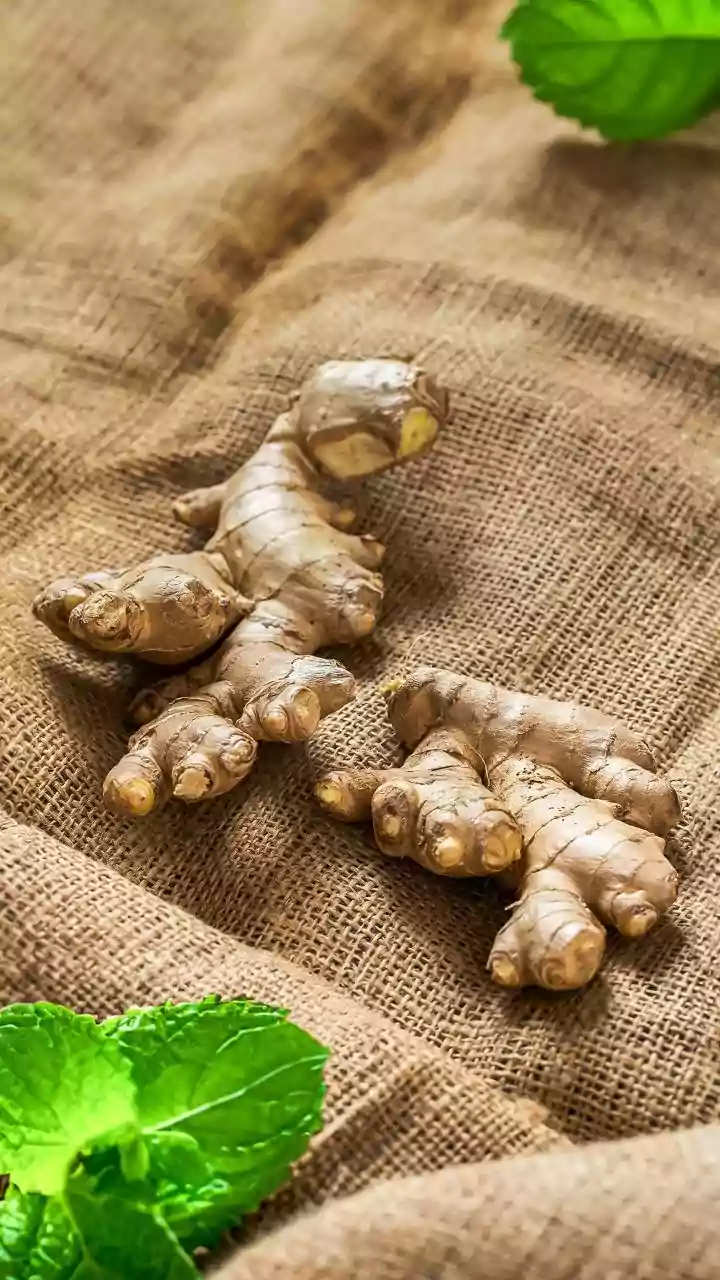
Once you know what to look for, telling these two apart is simple. Ginger root has a familiar tan, papery skin that's relatively easy to peel away, often just with the side of a spoon. Its flesh is pale yellow and fibrous but moist. Galangal, on the other hand, typically has smoother, paler skin that can have pinkish hues when young. The most significant physical difference is its texture. Galangal is incredibly hard and woody. You'll need a very sharp knife to slice it, as it's far too dense to be grated like ginger.
Best Uses in the Kitchen
Ginger’s versatility makes it a staple in everything from stir-fries and marinades to baked goods and tea. Galangal's intense flavor means it often plays a more specific role. In Southeast Asian cooking, it's typically sliced into coins and added to broths and soups to infuse them with its unique aroma; the hard pieces are usually not eaten. Think of it like a bay leaf or a cinnamon stick. It’s a key ingredient in iconic Thai soups like Tom Kha Gai (coconut chicken soup) and Tom Yum. It can also be pounded into a fine paste for curries or marinades, which allows its flavor to be consumed directly.
How to Buy and Use Your First Galangal
Ready to give it a try? You’ll likely find fresh galangal at Asian markets or larger, well-stocked supermarkets in the produce section. Look for firm, plump rhizomes with smooth skin, avoiding any that are shriveled or soft. If you can't find fresh, frozen slices are the next best thing. To use it, wash the root and use a sharp knife to slice off thin rounds. There's no need to peel the thin skin. Add the slices to simmering soups and curries for at least five minutes to let the flavor infuse. For pastes, chop it finely before pounding or blending to break down the tough fibers. Store fresh galangal in the refrigerator for a few days, or freeze it for long-term use.