






In the search for deep rest, many are turning to an ancient practice that feels like a blessing for the modern, busy mind. Yoga Nidra, or 'yogic sleep,' offers a unique path to profound relaxation without actually falling asleep.
What Exactly Is Yoga Nidra?
Yoga Nidra translates
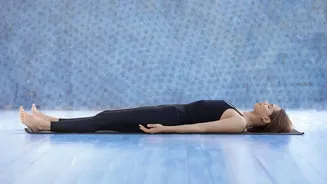
to 'yogic sleep,' but it is not about napping. It is a powerful meditation technique where you are guided into a state of consciousness between waking and sleeping. While in this state, the body is completely relaxed, and the mind becomes highly receptive to instruction. Unlike other forms of meditation that might require you to focus and concentrate, Yoga Nidra asks you to simply lie down in a comfortable position, usually on your back in Savasana (corpse pose), and follow the voice that is guiding you. It is a systematic process designed to induce deep physical, mental, and emotional relaxation. The goal isn't to empty the mind but to occupy it with specific instructions, allowing it to rest without wandering into anxious or stressful thought patterns.
The Blueprint of the Practice
A typical Yoga Nidra session follows a structured sequence designed to systematically relax the practitioner. It begins with setting an intention, known as a 'Sankalpa,' which is a short, positive statement in the present tense that you silently repeat. This helps focus the mind. Following this, the practice moves into a detailed body scan, where you are guided to bring your awareness to different parts of the body, one by one, without moving them. This process, known as 'Nyasa,' releases deep-seated physical tension. Next, you focus on breath awareness, simply observing the natural rhythm of your inhalation and exhalation. The guide may then lead you through an exploration of opposite sensations (like heaviness and lightness, or cold and warmth) and visualizations, which can range from simple images to more complex journeys. The session concludes by gently returning your awareness to your body and surroundings, often revisiting your Sankalpa.
The Science of Yogic Sleep
The reason so many people practise Yoga Nidra before bed lies in its profound effect on the nervous system. The practice helps shift the body from the 'fight or flight' sympathetic nervous system to the 'rest and digest' parasympathetic nervous system. This transition slows the heart rate, deepens the breath, and reduces levels of cortisol, the primary stress hormone. Neurologically, Yoga Nidra guides the brain to move from the active beta waves of normal waking consciousness into the calmer alpha waves associated with relaxation. As the practice deepens, it can even induce theta waves, the state often experienced just before falling asleep or during deep meditation, and sometimes delta waves, which are characteristic of deep, dreamless sleep. This neurological shift effectively trains the brain and body to let go, making it easier to fall asleep and improve sleep quality.
Benefits Beyond a Good Night's Sleep
While its sleep-enhancing properties are a major draw, the benefits of Yoga Nidra extend far beyond the bedroom. Regular practice can lead to a significant reduction in overall stress and anxiety by conditioning the body's relaxation response. It has been used to help manage symptoms of PTSD, chronic pain, and insomnia. By fostering a state of deep inner calm, it can improve emotional regulation and increase selfawareness. Many practitioners report enhanced focus and creativity in their daily lives, as the practice helps clear mental clutter. It provides a unique space to connect with your inner self and process emotions without judgement, fostering a sense of peace that can carry over into all aspects of your life. Some studies suggest that just 30–45 minutes of Yoga Nidra can be as restorative as several hours of conventional sleep.
How to Get Started Tonight
Beginning a Yoga Nidra practice is simple and accessible. You do not need any prior yoga or meditation experience. The key is to be comfortable and undisturbed. Find a quiet, warm space where you can lie down flat on your back. Use a yoga mat, a blanket, or even your bed. You may want a thin pillow under your head and a bolster under your knees to support your lower back. The most common way to practise is by listening to a guided recording. There are countless free and paid options available online through apps, websites, and video streaming platforms. Search for a voice and pacing that you find soothing. The only instruction is to remain still and follow the guidance as best you can. If you fall asleep, that's okay—your body is simply taking the rest it needs. Just try to stay awake to receive the full benefits of the conscious relaxation.