




The Unseen Enemy: Why Moisture Matters
The core reason dry foods last so long is their lack of water. Most bacteria, yeasts, and molds that cause food to spoil need water to grow and multiply. This is measured by something called "water activity"—a scale from 0 (bone dry) to 1.0 (pure water).
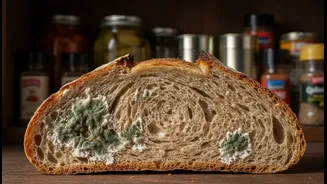
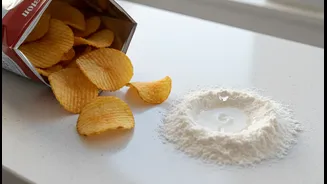
Crispy snacks like chips and dry ingredients like flour and spices have a very low water activity, making them stable. When you introduce even a small amount of moisture from wet hands, you are essentially providing the 'unbound' water these tiny organisms need to thrive. A few drops can create a micro-environment where spoilage can begin, turning your pantry staples into a science experiment you didn't sign up for.
More Than Just Mold
Visible mold is the most obvious sign of spoilage, but it's not the only problem moisture causes. For snacks like potato chips, biscuits, and namkeen, moisture is the enemy of texture. These foods are crispy because they are extremely dry. When they absorb water from the air or your hands, the starch molecules begin to soften, turning that satisfying crunch into a disappointing, chewy mouthful. This process is why an open bag of chips goes stale on a humid day. Furthermore, moisture can accelerate chemical reactions like lipid oxidation, where the fats and oils in a product break down. This leads to rancid, off-flavors and smells, even if no mold is visible.
Pantry Items Most at Risk
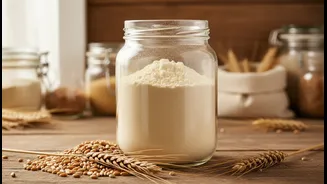
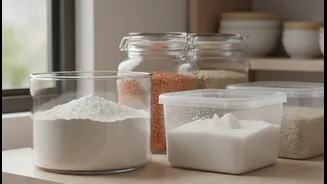
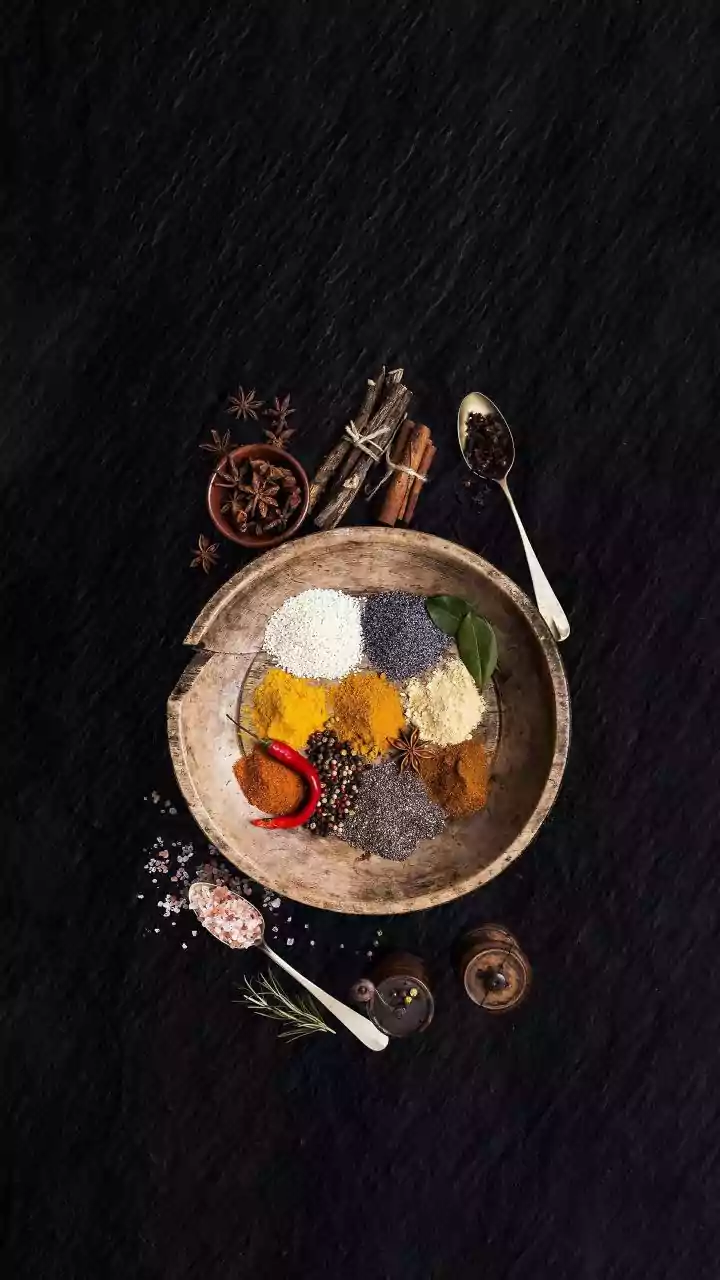
While all dry goods are susceptible, some are more vulnerable than others. Ground spices are a major concern. Introducing moisture can cause them to clump together, lose their potent aroma, and become a breeding ground for mold. Flours and grains can also clump and develop musty odours. Whole wheat flour is particularly at risk because the oils it contains can go rancid more quickly when exposed to moisture. In the snack aisle, anything crispy is a target: potato chips, papad, chakli, and various fried snacks common in Indian households will quickly lose their texture. Even sugar can be affected, with moisture causing it to harden into a solid block as it dissolves and recrystallizes.
Simple Habits for a Fresher Pantry
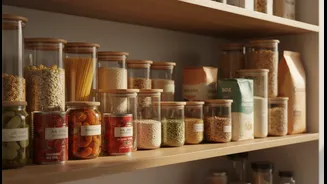
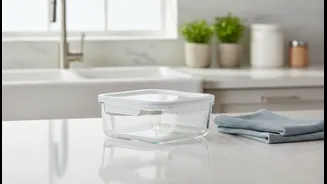
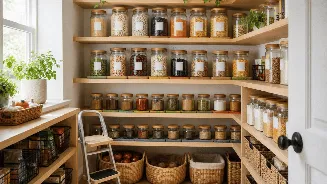
Protecting your pantry doesn't require a complete overhaul, just a few mindful habits. First and foremost, always dry your hands completely before reaching into any container of dry food. The best practice is to stop reaching in altogether. Use a clean, completely dry spoon or scoop for things like spices, flour, sugar, and coffee. This not only prevents moisture transfer but also cross-contamination between ingredients. For snacks, pour them from the bag into a bowl rather than having multiple hands dip inside. Proper storage is also key. Ensure all containers are airtight to keep ambient humidity out. For items you buy in bulk, consider decanting a smaller amount into a daily-use jar and keeping the main supply sealed tightly in a cool, dark place. This minimizes the number of times the bulk container is opened, reducing exposure to air and moisture.